How to Book
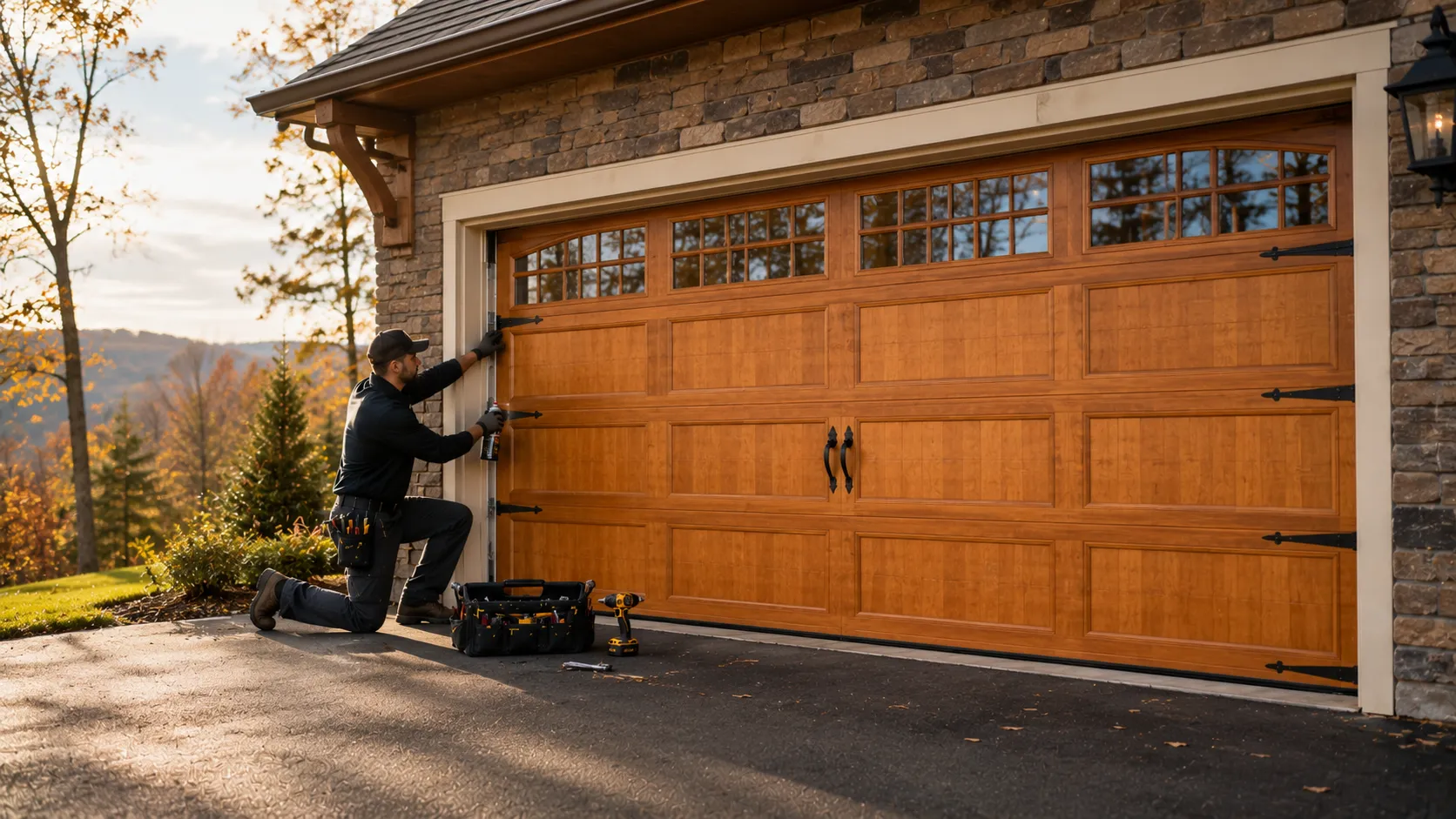
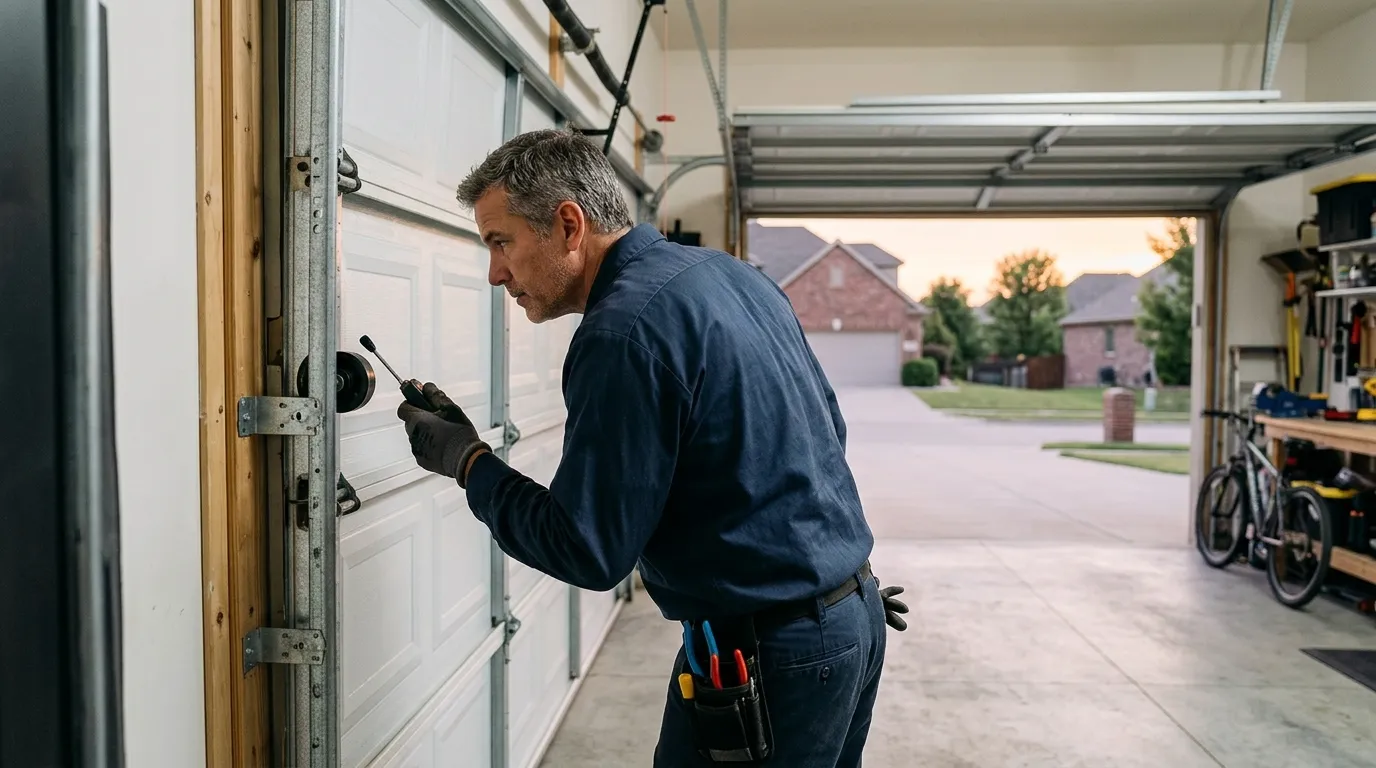
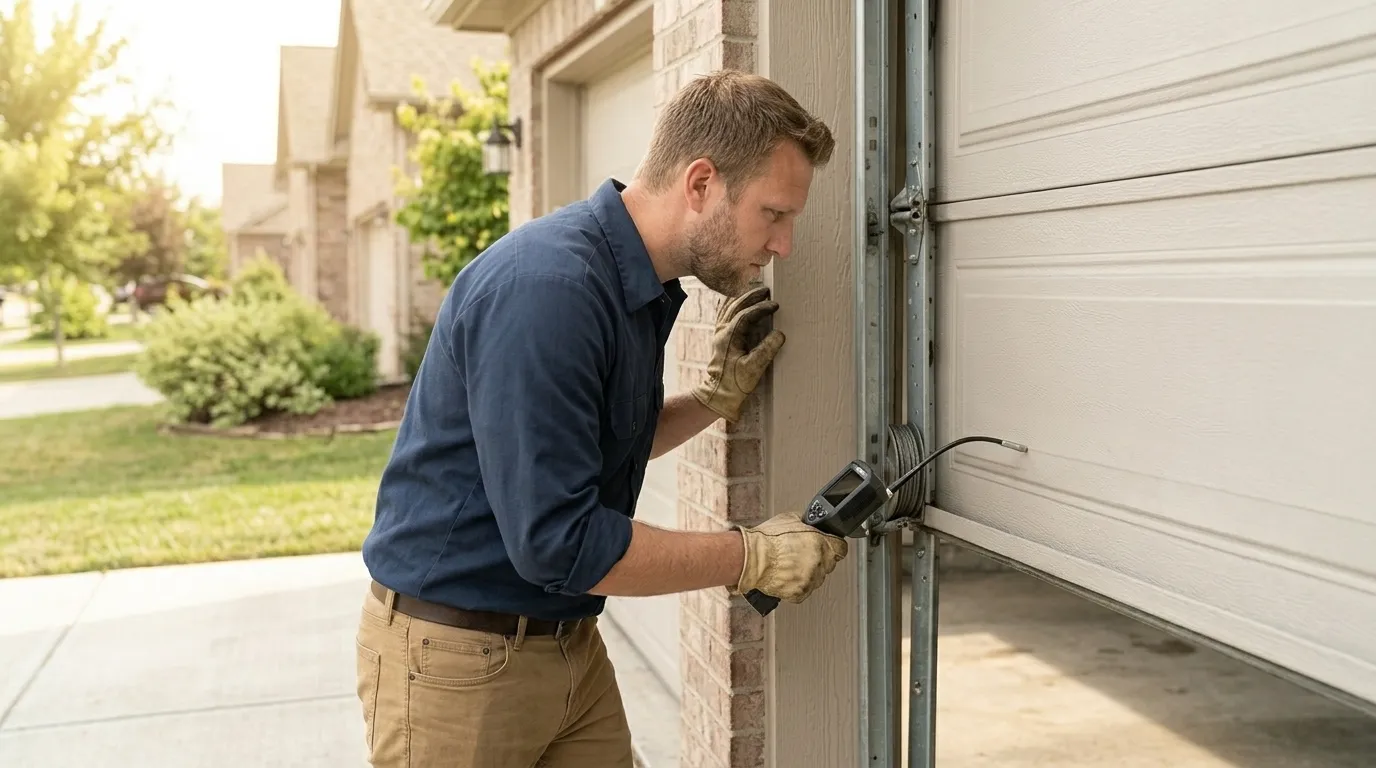
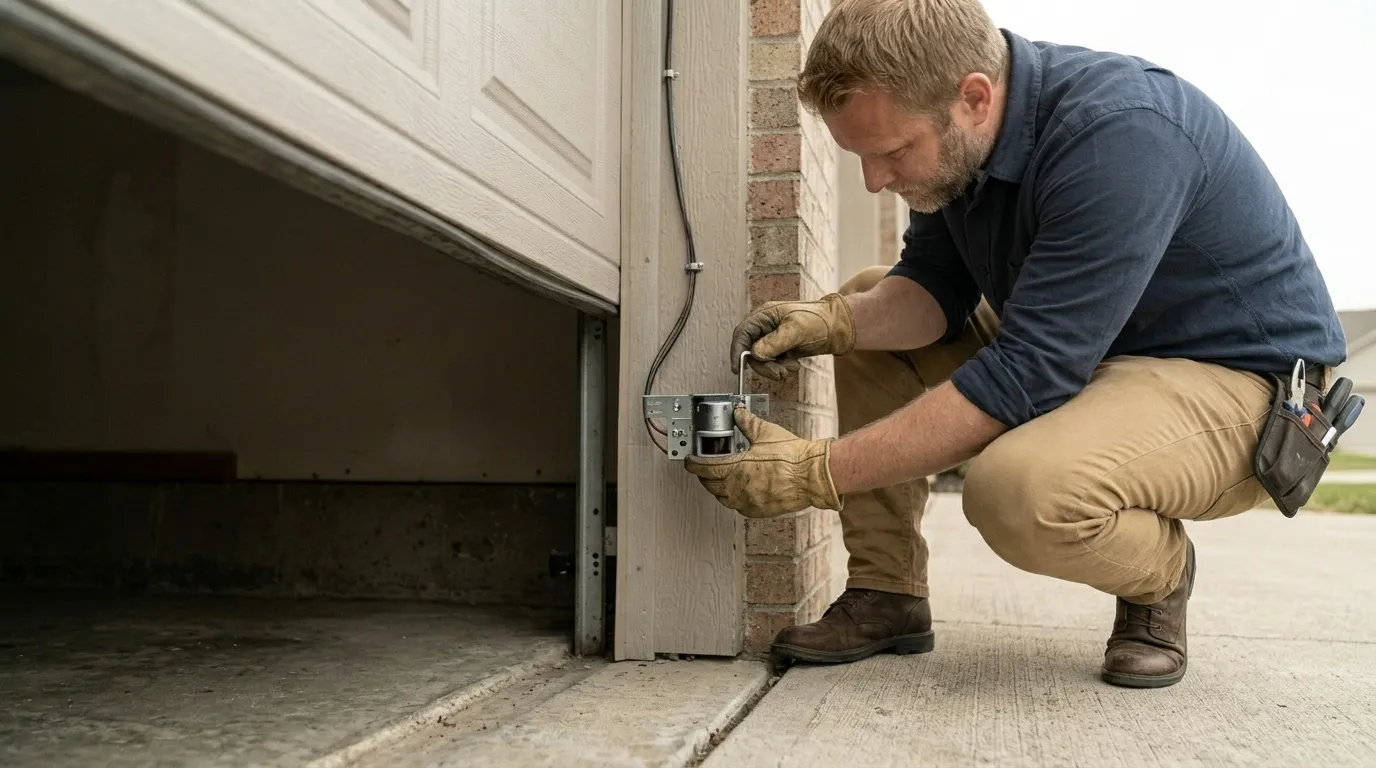
Call and describe what the door is doing: won't open, won't close, makes a bang, moves crooked, opener runs but the door doesn't move. That tells us what to load on the truck before we leave Strongsville. If you're not sure what's wrong, that's fine too - a lot of Avon calls turn out to be a snapped cable or a sensor knocked out of alignment, both common on doors from the early 2000s once the original rollers wear out.
Have the door's brand or model number ready if you can find it, usually on a sticker inside the header or on the opener motor housing. It's not required, but it saves a trip back to the truck for the right part.
We don't run a local Avon branch - every job here is dispatched from Strongsville, 13 miles out. That's not a knock against the town, it's just how the company is set up: one shop, one service area, trucks that travel to it.
Why This Fails Locally
The failures we see in Avon track the age of the housing, not some Avon-specific quirk. Most homes here were built around 2001, which puts the original garage door equipment right at 20-plus years old now - old enough for springs to be near end of life, for nylon rollers to have worn oval, and for the first-generation opener logic boards from that era to start failing outright rather than just acting up.
That's a different failure pattern than you'd find in the older 1960s-70s tract housing that makes up much of the rest of the service area, where the springs have usually already been replaced once or twice and the door itself might be the original one-piece panel rather than a sectional.
The climate band here is the same cold-and-severe classification as the rest of the region, so temperature swings put the same stress on steel panels and torsion springs regardless of the neighborhood. Combine 20-year-old hardware with a hard freeze-thaw cycle and a spring that's been fine for years can go in one cold morning.
Parts We Carry
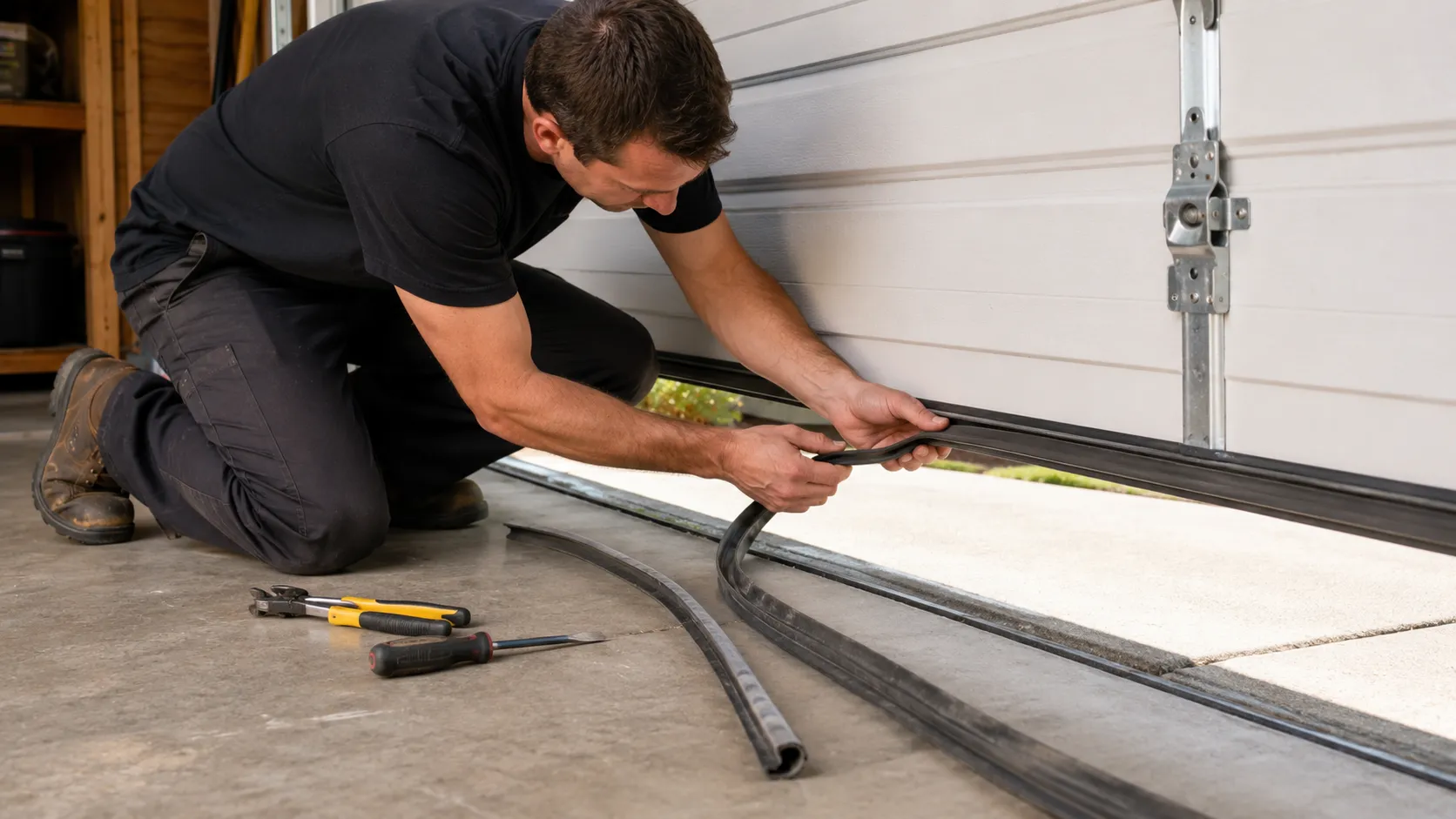
We carry the parts that fail most often on doors from the early 2000s: torsion springs sized for standard sectional steel doors, extension cables, nylon and steel rollers, and the sensor pairs that go bad after years of temperature cycling in a cold climate. Standard-width torsion springs and steel doors are the models we can turn around fastest, because they cover most of what's actually on the ground in a neighborhood built around 2001.
Where it gets slower is anything custom - a non-standard door width, a discontinued opener model, or hardware from a builder who used a less common brand. Those parts sometimes have to be special-ordered, and we won't tell you otherwise just to close the call. If your door falls into that category, we'll say so up front rather than let you wait on a truck that isn't coming.
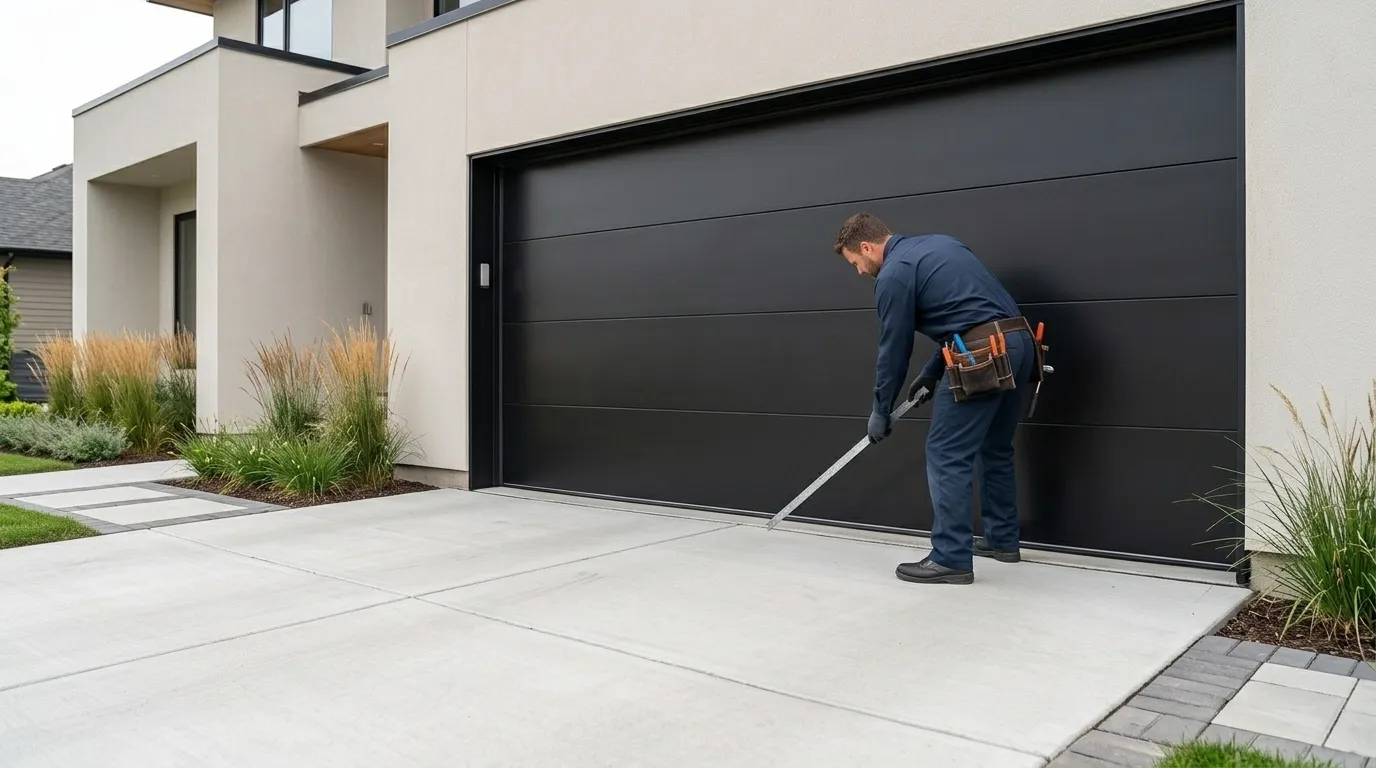
Given the income level in Avon, we also see more requests for insulated steel doors and quieter belt-drive openers as upgrades rather than straight repairs - those aren't emergency parts, but they're worth mentioning if you're already having the door serviced.
What the Repair Takes
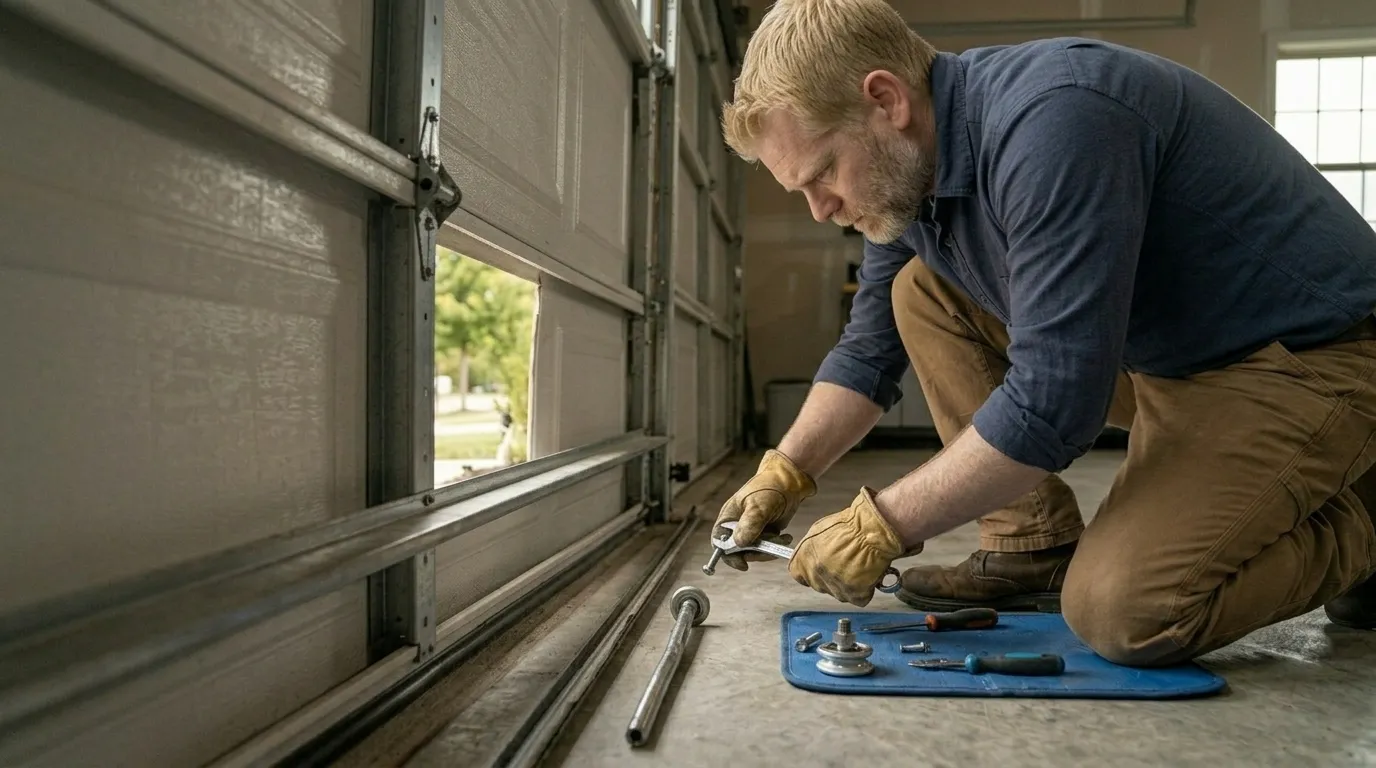
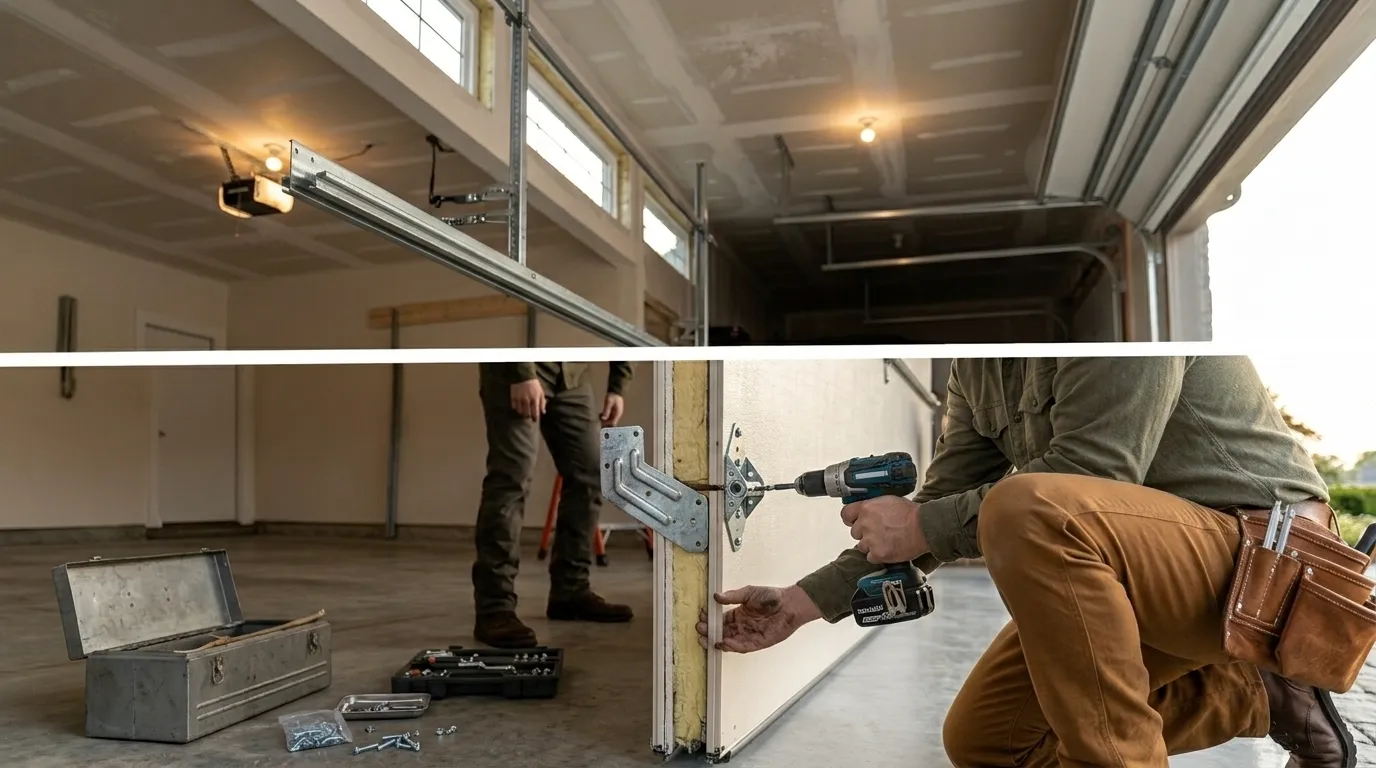
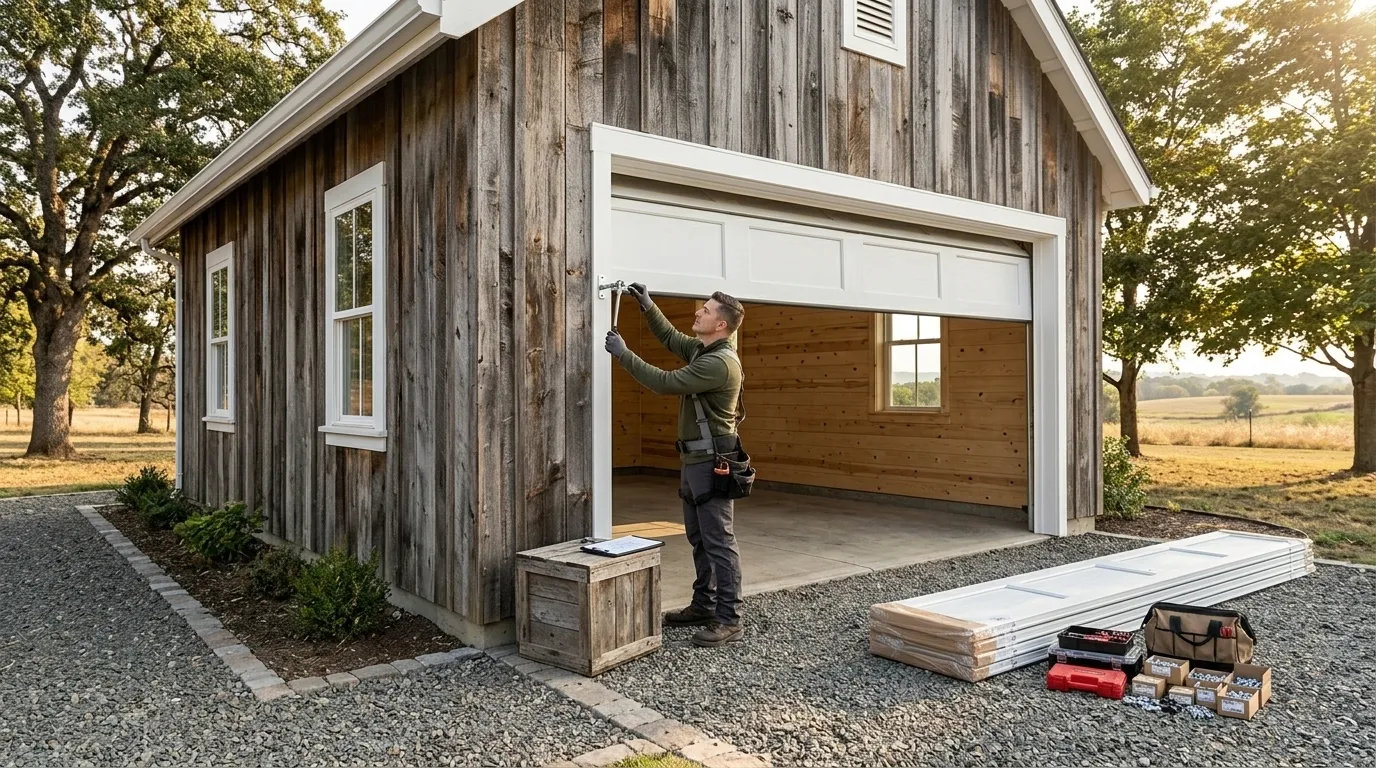
Most Avon repairs are a single-visit job: diagnose, replace the failed part, test the door through a few full cycles, done. Torsion spring swaps, cable replacement, roller changes, and sensor realignment all fall into that category on a standard sectional door.
What stretches a job past one visit is usually a part that has to be ordered - an opener board for a model that's aged out of common stock, or a door panel that needs to match an existing color and profile rather than being swapped as a mismatched replacement. On a house built around 2001, that's less common than it would be on much older stock, but it does happen.
We travel the 13 miles from Strongsville with a stocked truck, so the parts listed above are usually on hand the same trip. Anything outside that list gets a straight answer about the wait, not a guess.