What You Pay
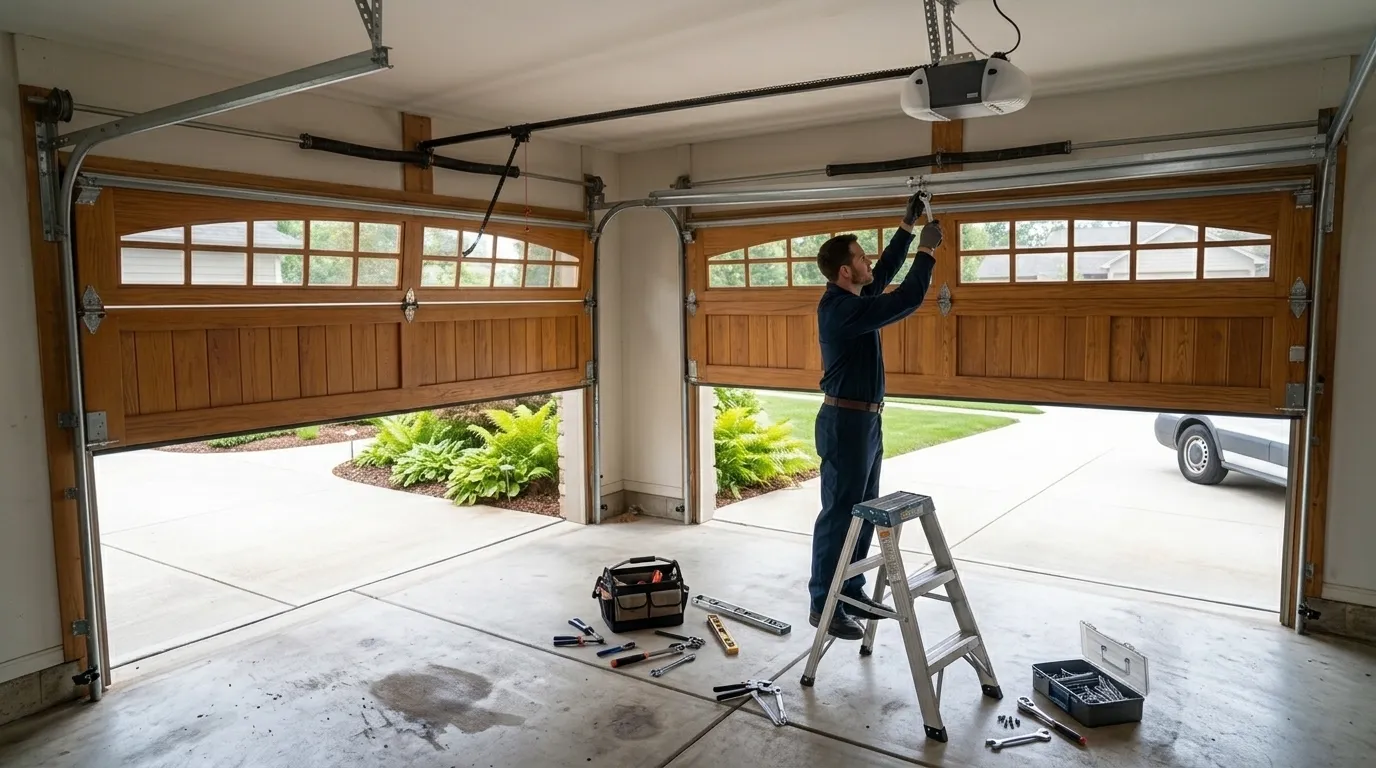
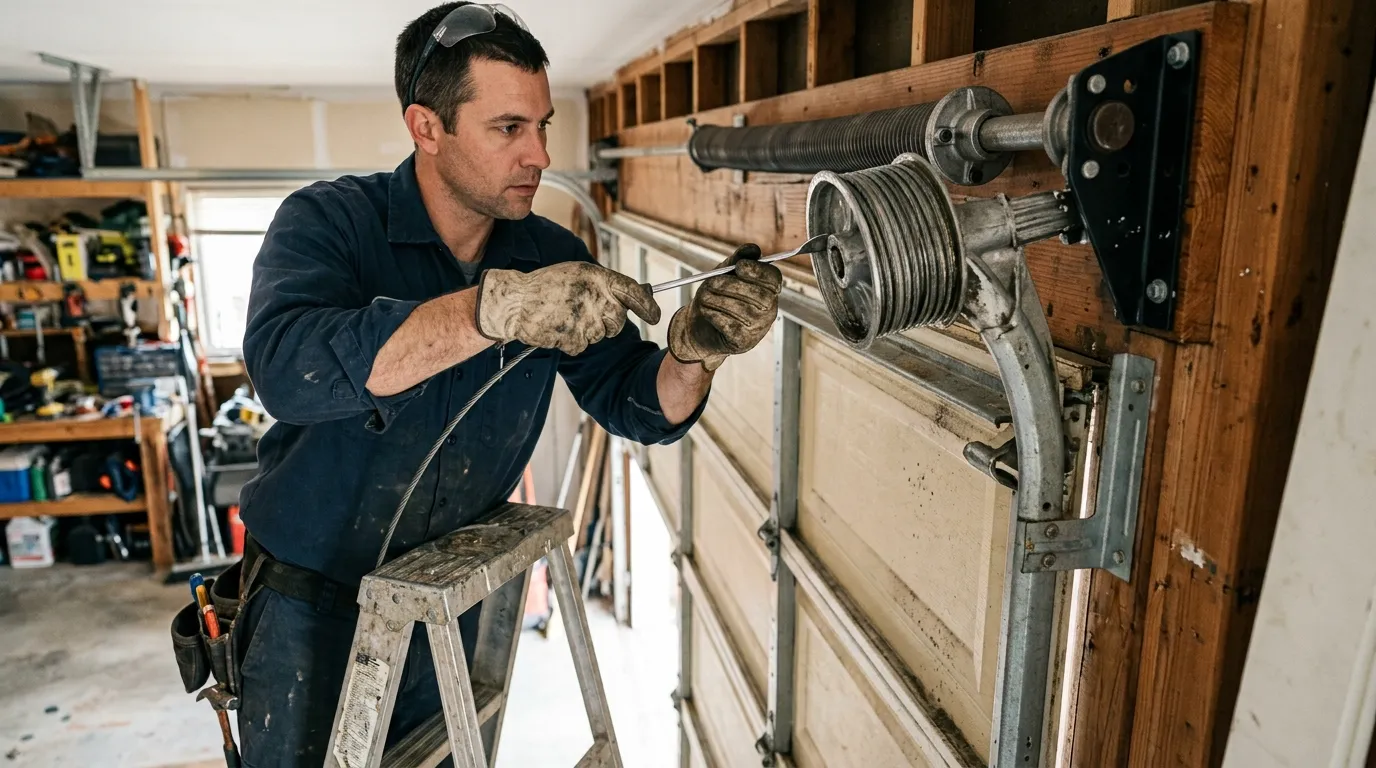
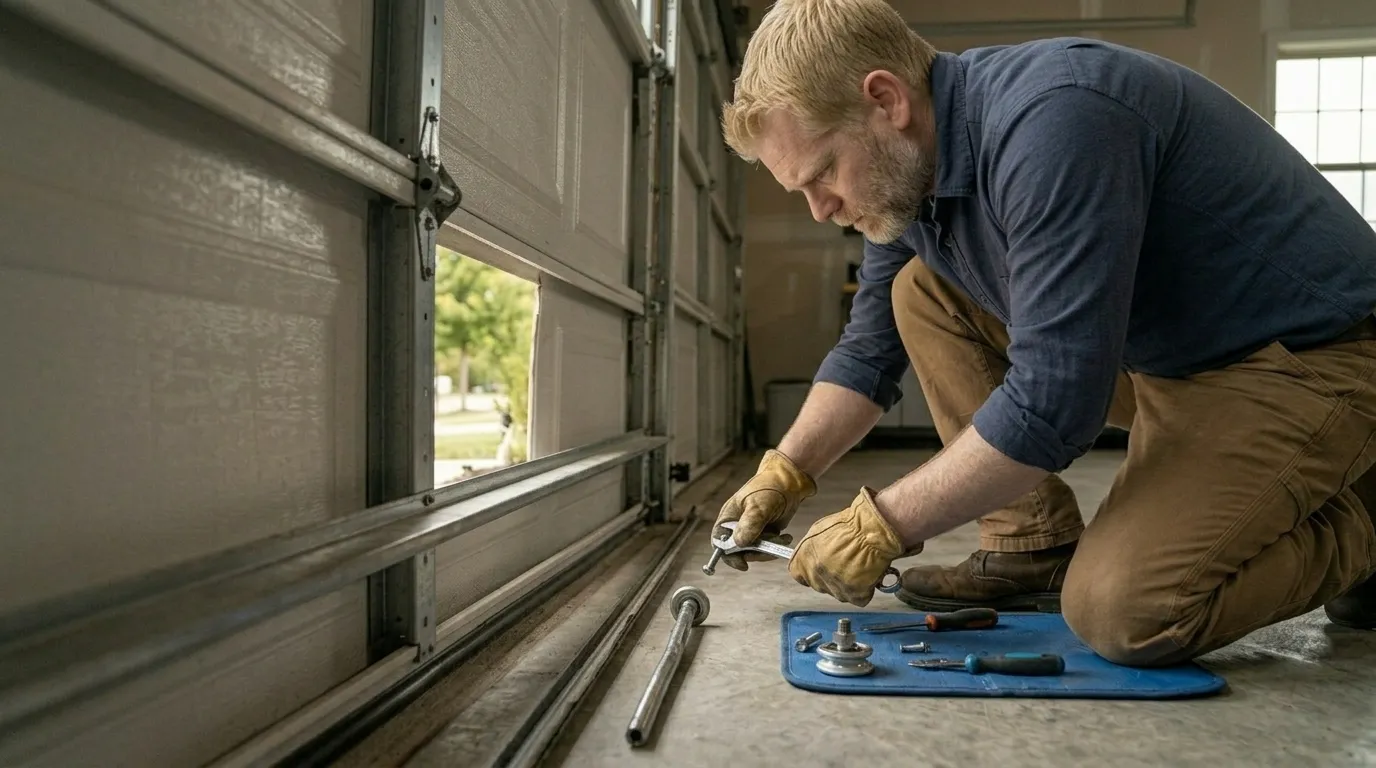
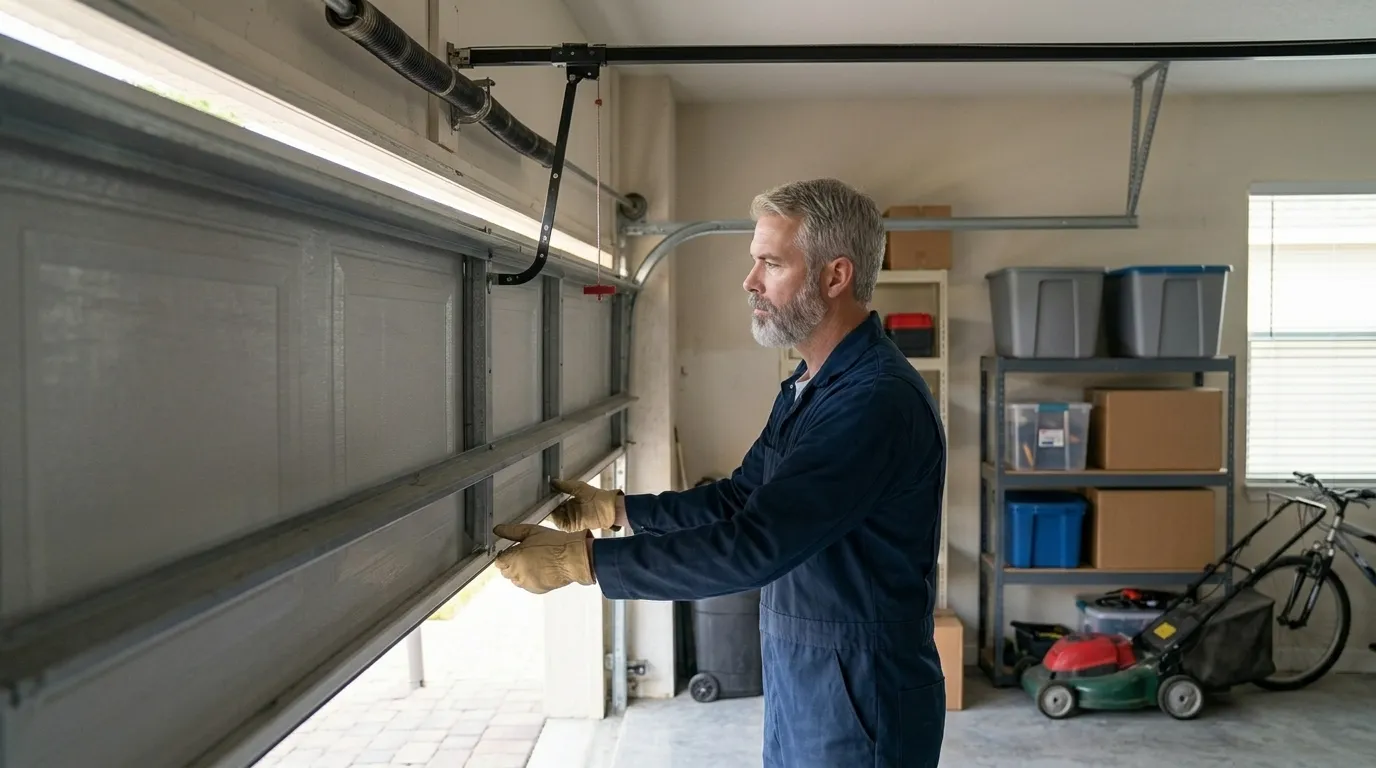
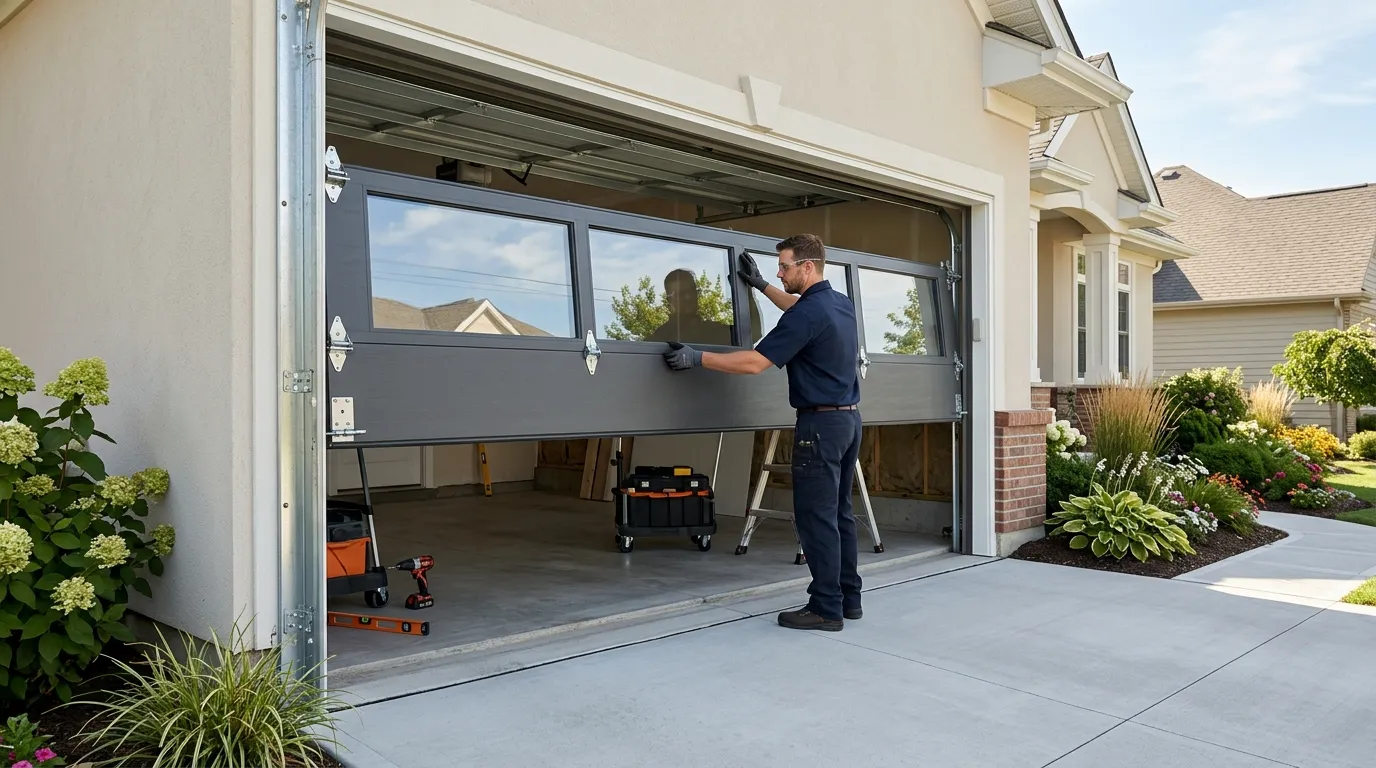
We don't publish a flat number here because spring jobs vary by door weight, spring count, and whether the drums or cables need replacing alongside the spring itself. A single-spring job on a lighter door costs less than a two-spring torsion setup on a heavier insulated double door, and if the bearing plate or end bearings are worn from age they usually get replaced at the same time rather than left to fail again in a few months.
What we can tell you is what drives the number up or down: door size, spring wire gauge, whether it's one spring or two, and how much else on the hardware has worn out alongside it. A household in this area with a median income around $92,639 is often weighing a full opener and door replacement against a spring repair, and for most doors under 15 years old, the repair is the right call - it's a smaller job than people expect once they see a broken spring and assume the whole door is done.
Ask for the number over the phone before the truck rolls. We'd rather quote it after hearing your door's size and age than guess and be wrong in either direction.
Why This Fails Locally
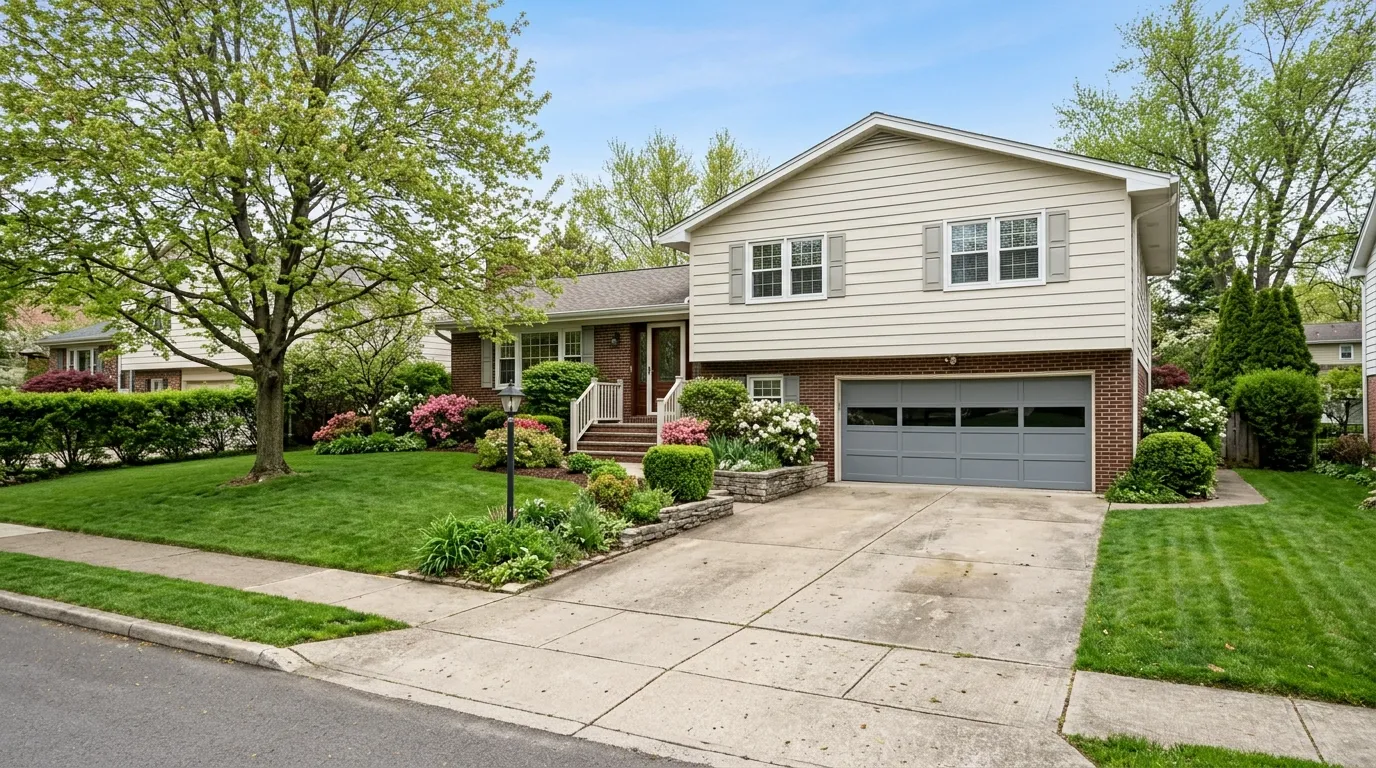
Housing in this service area was mostly built between 1938 and 2002, with the heaviest concentration going up during the 1960s and 70s building boom across the 47 named neighborhoods and towns we cover. That matters for springs because a torsion spring is rated for a set number of open-close cycles, and a door installed in 1968 has had five decades of cycling through winters that dip into severe cold, which is exactly the climate band this whole region sits in.
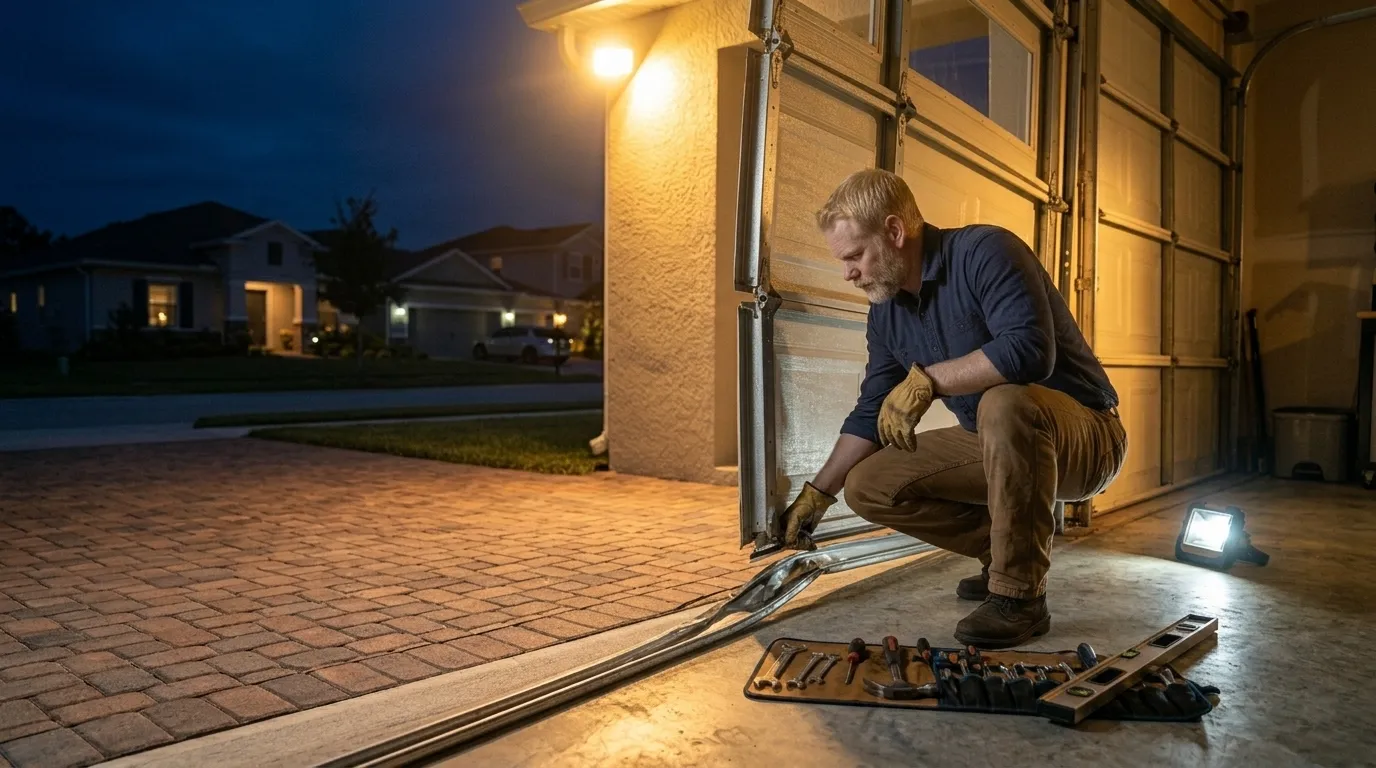
Cold does two things to a torsion spring. It stiffens the steel, so the same lift that felt normal in August takes more force in January, and it makes any existing metal fatigue more likely to let go on a specific cold morning rather than gradually. That's why spring calls climb every winter here - it's not random bad luck, it's forty-plus-year-old coil steel meeting a hard freeze on a door that's been opened and closed two or three times a day since the Johnson administration.
Houses from the 1960s and 70s stock also tend to have the older-style single spring or lighter-gauge torsion setups that weren't built for today's heavier insulated doors if an owner upgraded the door but not the spring to match it. That mismatch is its own failure mode, separate from plain age.