What You Pay
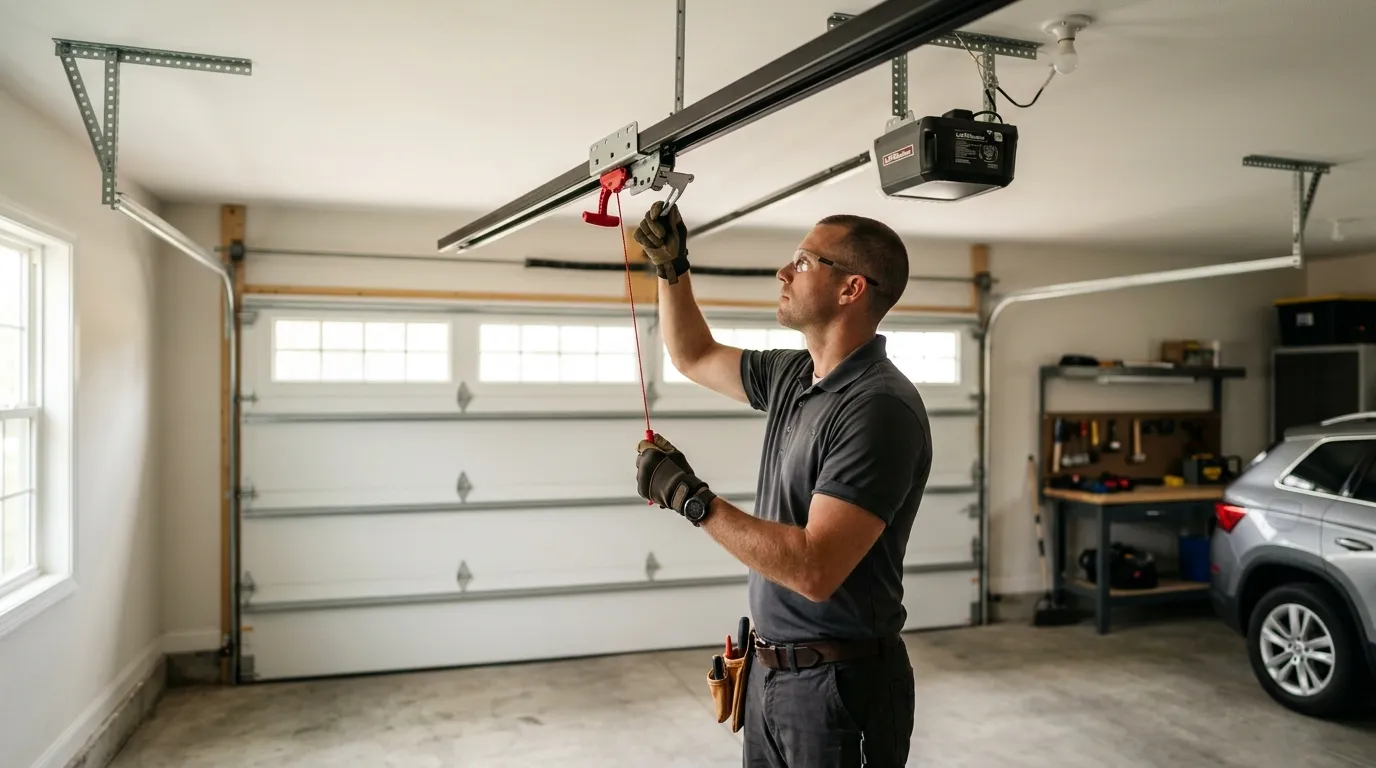
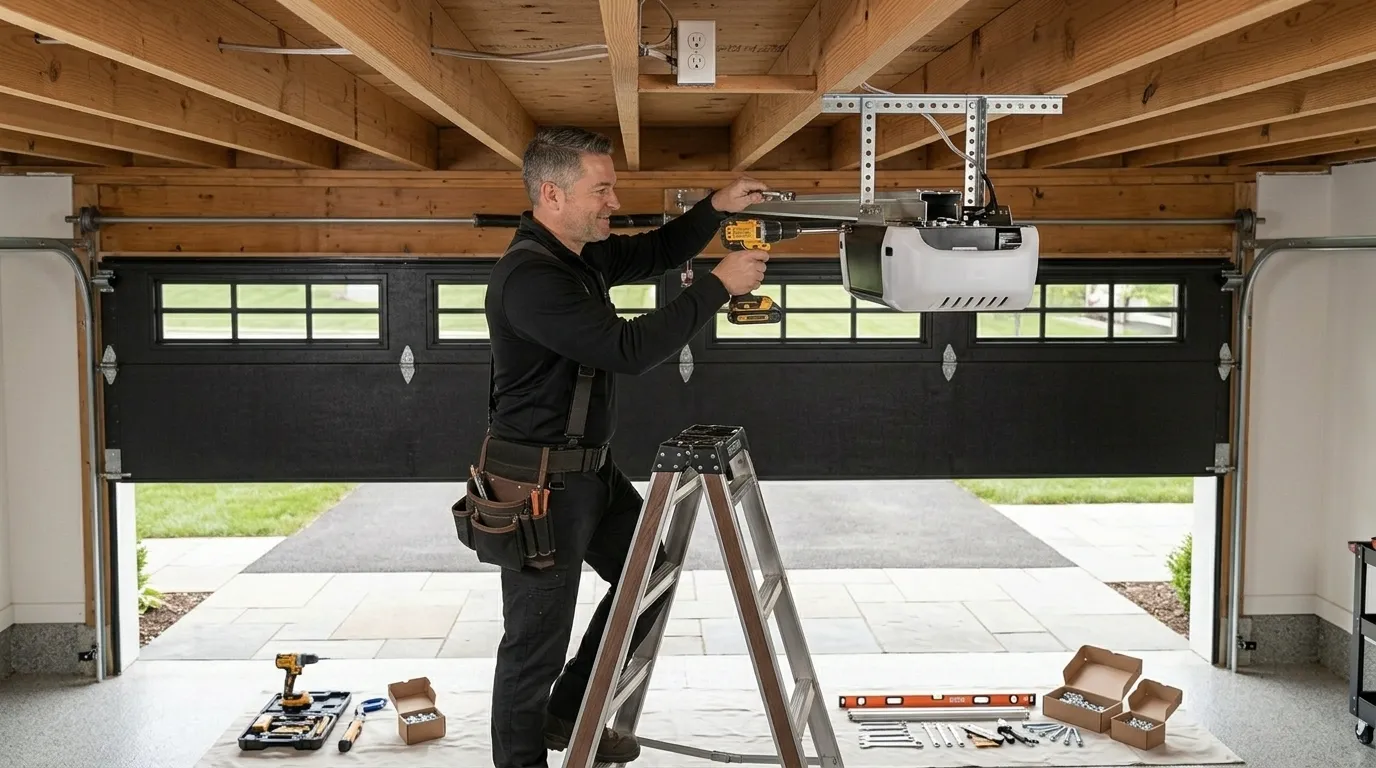
We don't have a published price list here, and we're not going to invent one. What you pay depends on the opener you pick (chain, belt, or direct-drive), whether your existing header and rail brackets are sound or need work, and whether you want battery backup given how often this area sees winter power interruptions in a cold, severe climate band.
The honest limitation: we can't give you an accurate number over the phone for anything beyond the opener itself. Header reinforcement, added wiring, and disposal of an old unit all change the total, and those only get accurate once someone has looked at your garage. What we can tell you is that homes in this service area, where median household income runs $92,639, more often choose a full opener replacement with a modern safety-reversal system over patching a decades-old unit, because parts for chain-drive openers from the 1960s and 70s are getting harder to source and don't always integrate with current safety sensors.
Why This Fails Locally
This service area's housing stock skews old. Most homes went up between 1938 and 2002, with 1967 as the median build year, and across the 47 named communities we cover, the bulk of that stock is from the 1960s and 70s. Openers from that era were built for lighter doors, simpler logic boards, and none of the current safety-reversal requirements. When those original units are still running, or were replaced once with a like-for-like budget unit, they're carrying decades of wear on gears and circuit boards that were never rated for it.
The cold, severe climate band this region sits in makes it worse. Grease inside an old gearbox thickens in low temperatures, chain tension changes as metal contracts, and older circuit boards weren't built with cold-rated components, so they misread the door's position or refuse to close on the coldest mornings. It's a combination that shows up every winter: an opener that worked fine in October starts grinding, hesitating, or tripping its sensors once temperatures drop, and it's almost always the older units in older houses that go first.