What You Pay
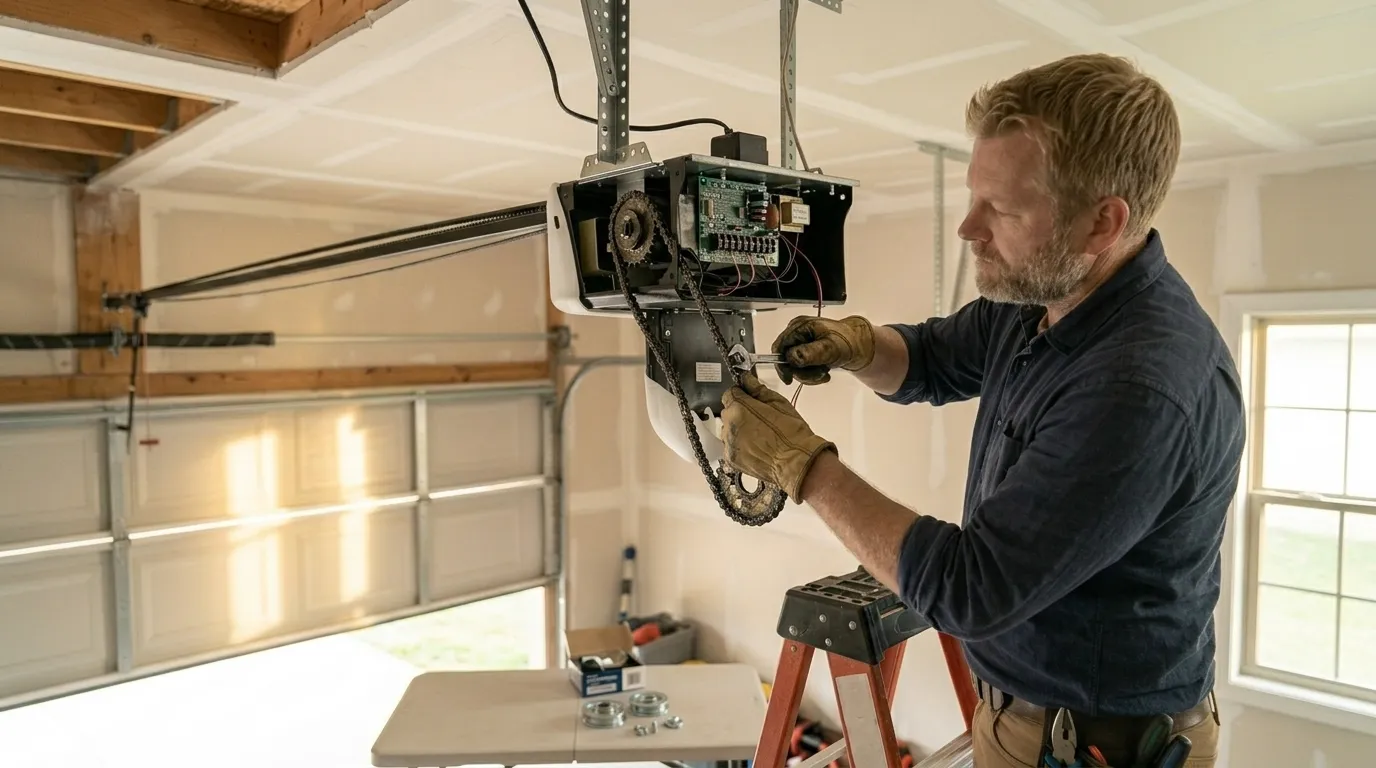
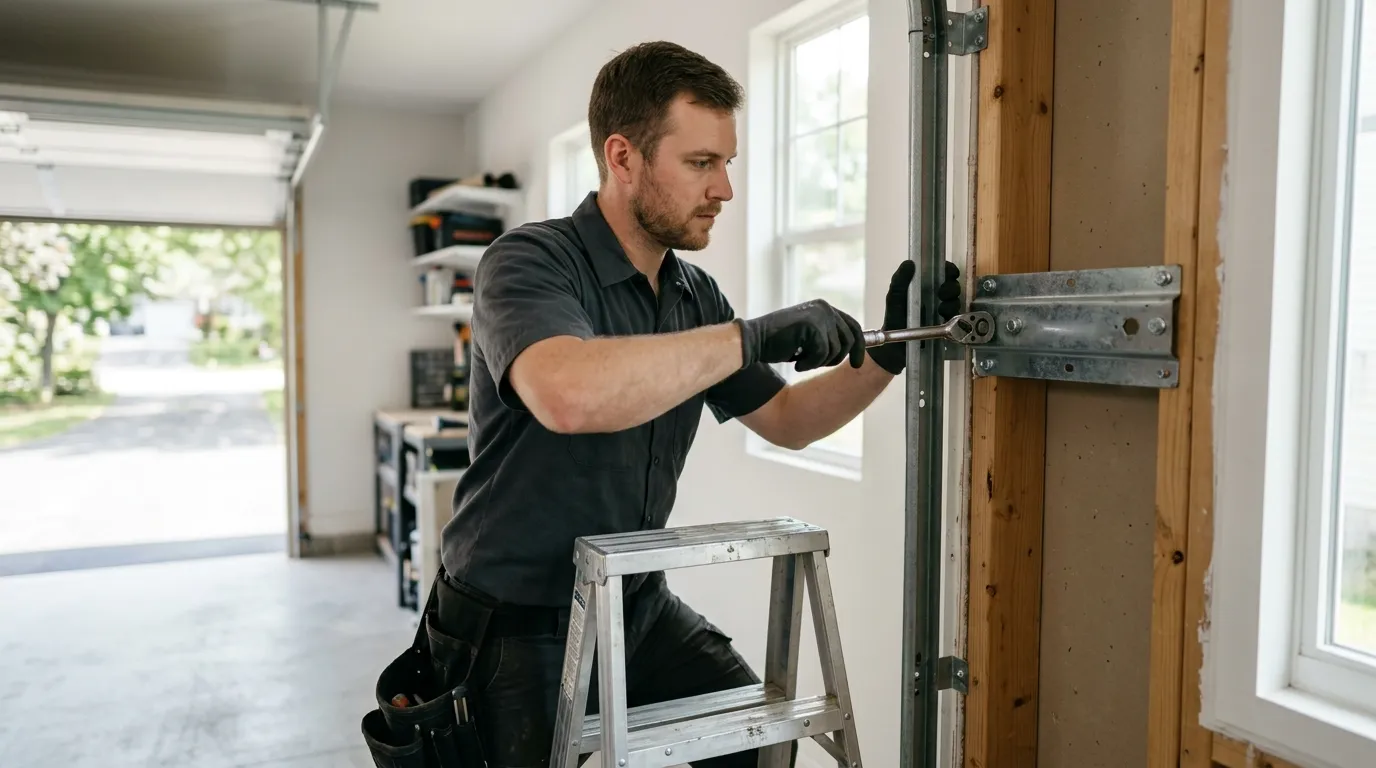
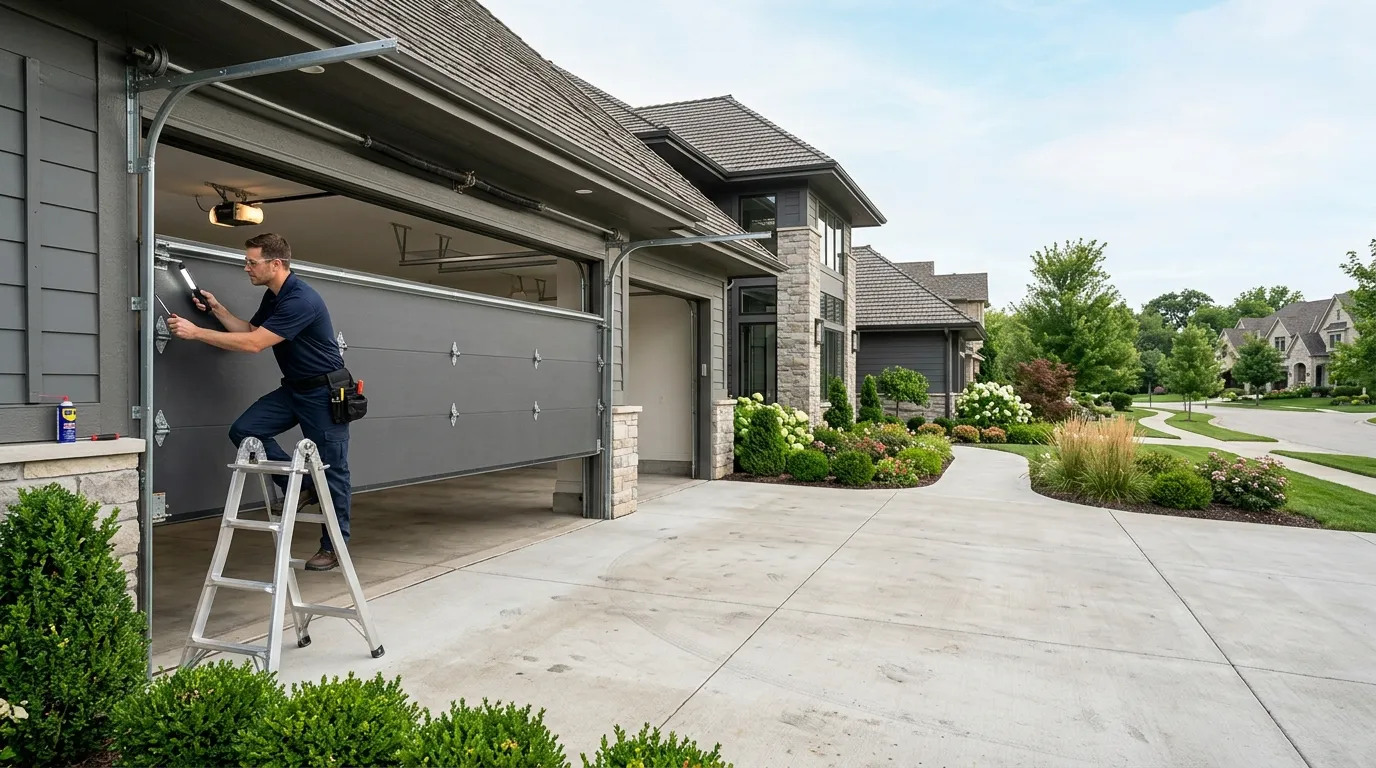
We don't publish a flat number here because opener failures aren't one problem - a bad capacitor, a stripped gear, a failed logic board, and a dead motor all cost different amounts to fix, and the age of your specific unit changes what's available. What we can tell you is that a repair almost always costs less than a replacement, and we'll give you both numbers on site before we touch anything, so you're choosing with real information instead of guessing. Given the median household income across this service area sits above $92,000, we see plenty of owners choose full replacement on an opener that's near the end of its life rather than keep patching it - that's a call worth making with the numbers in front of you, not before.
Why This Fails Locally
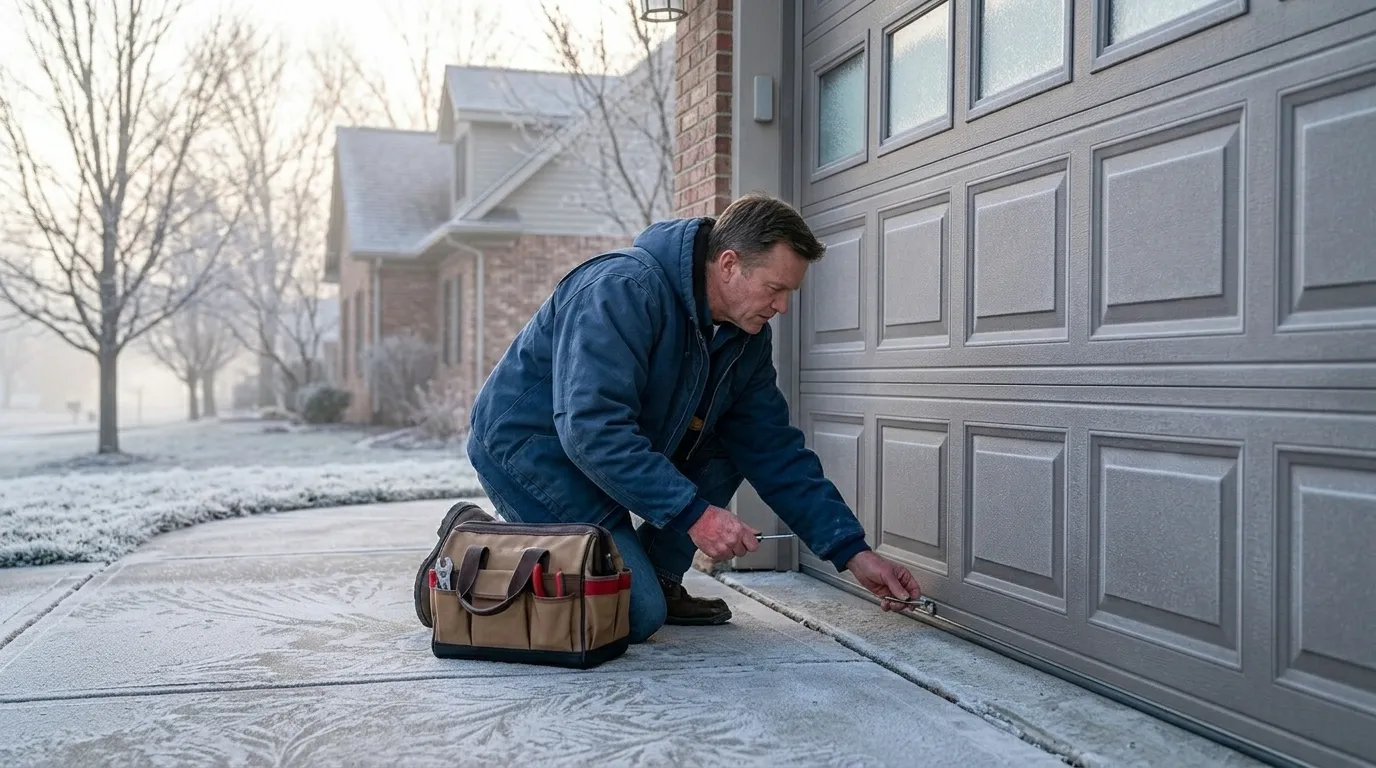
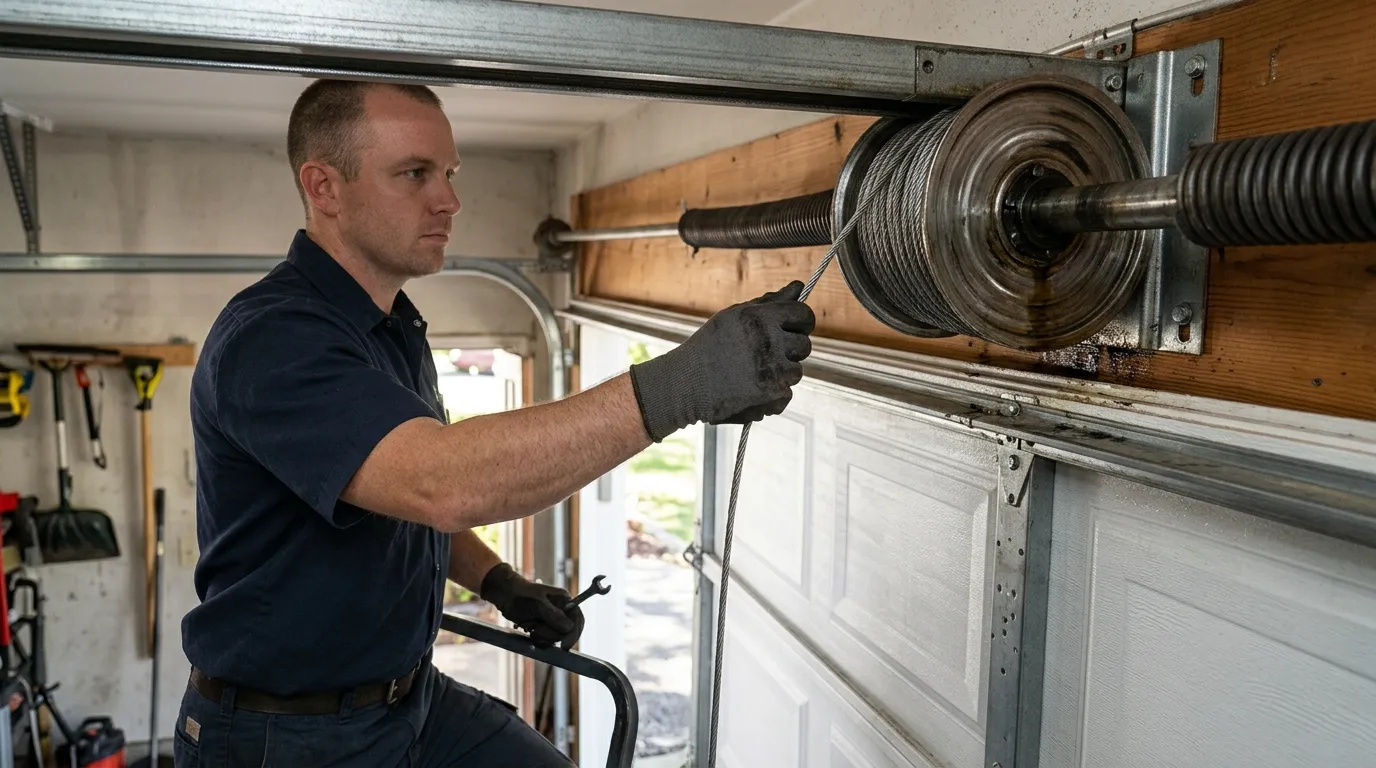
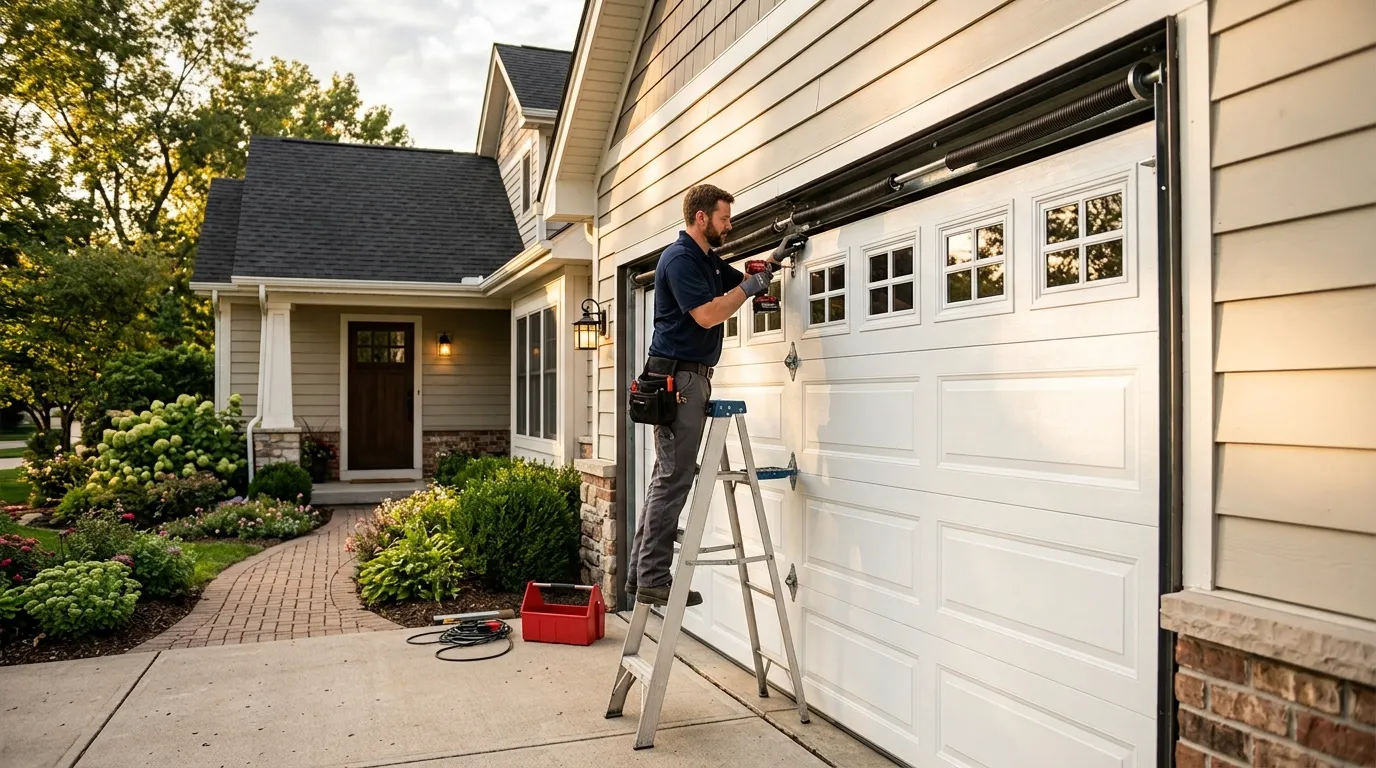
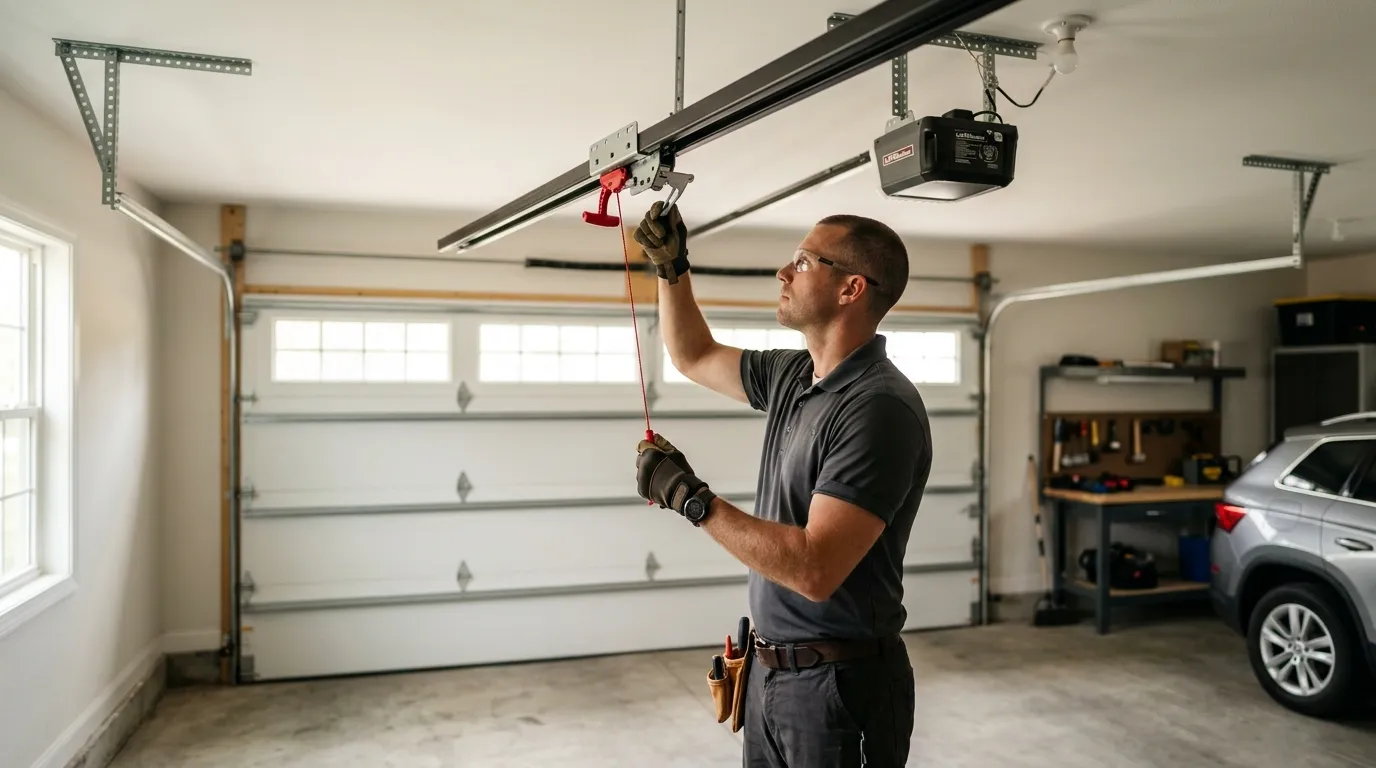
Strongsville sits in a severe cold climate band, and that matters more for openers than most owners expect. The drive system - chain, belt, screw, whatever your unit uses - has to move a door through a full range of motion in temperatures that swing hard between summer humidity and winter cold. Lubricant that's fine in July gums up and drags in January, and a motor that's already working near its limit on an aging gear set draws more current to compensate. Housing stock across this area was mostly built between 1938 and 2002, with the bulk from the 1960s and 70s, and that means a lot of openers installed decades ago on garages that were never insulated or conditioned to begin with. The opener sits in that same temperature swing every day. Add original wiring or a first-generation safety sensor retrofit, and you've got the exact combination - old motor, cold garage, aging electronics - that we get called out for most.