Can You Do This Yourself
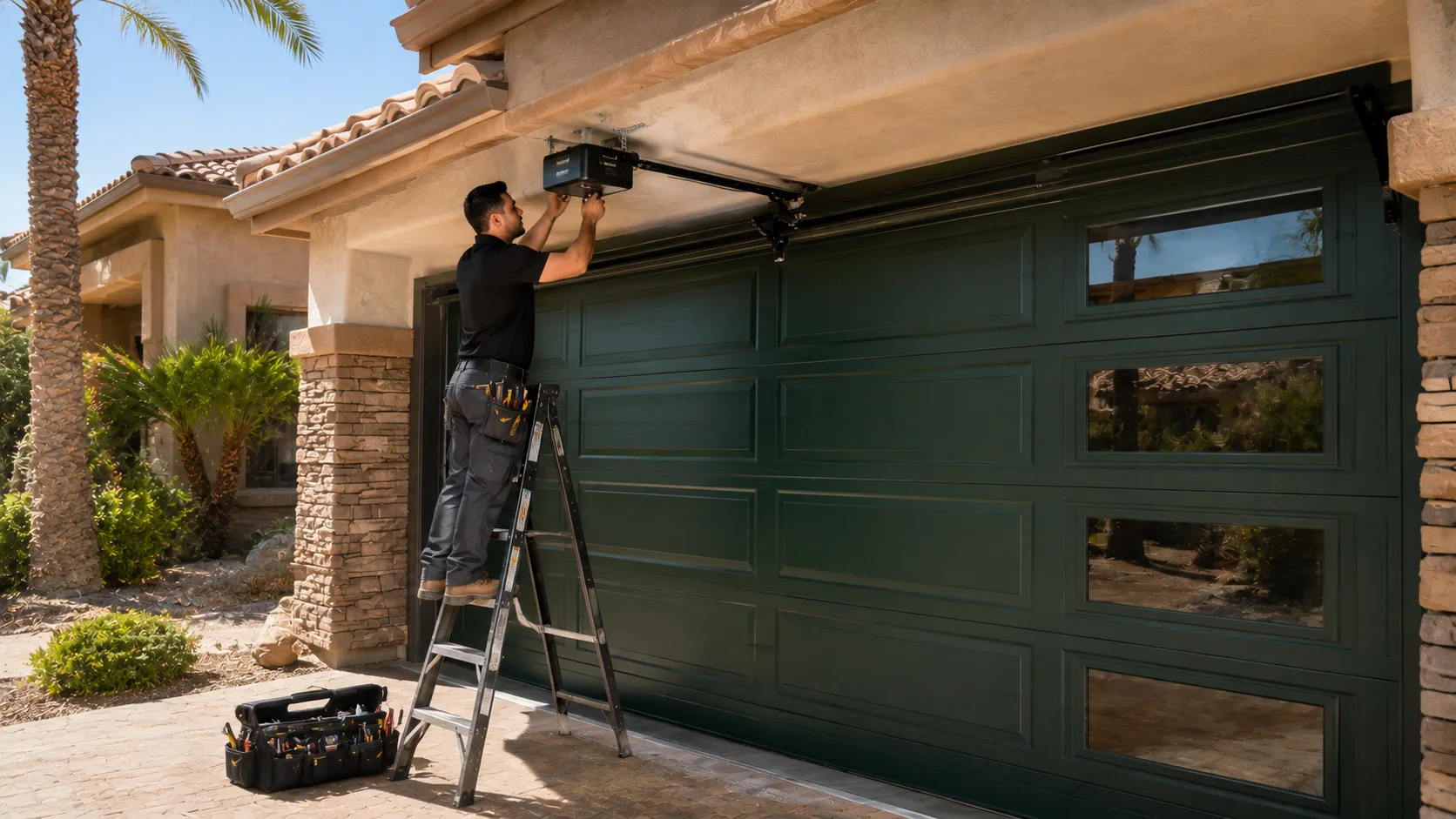
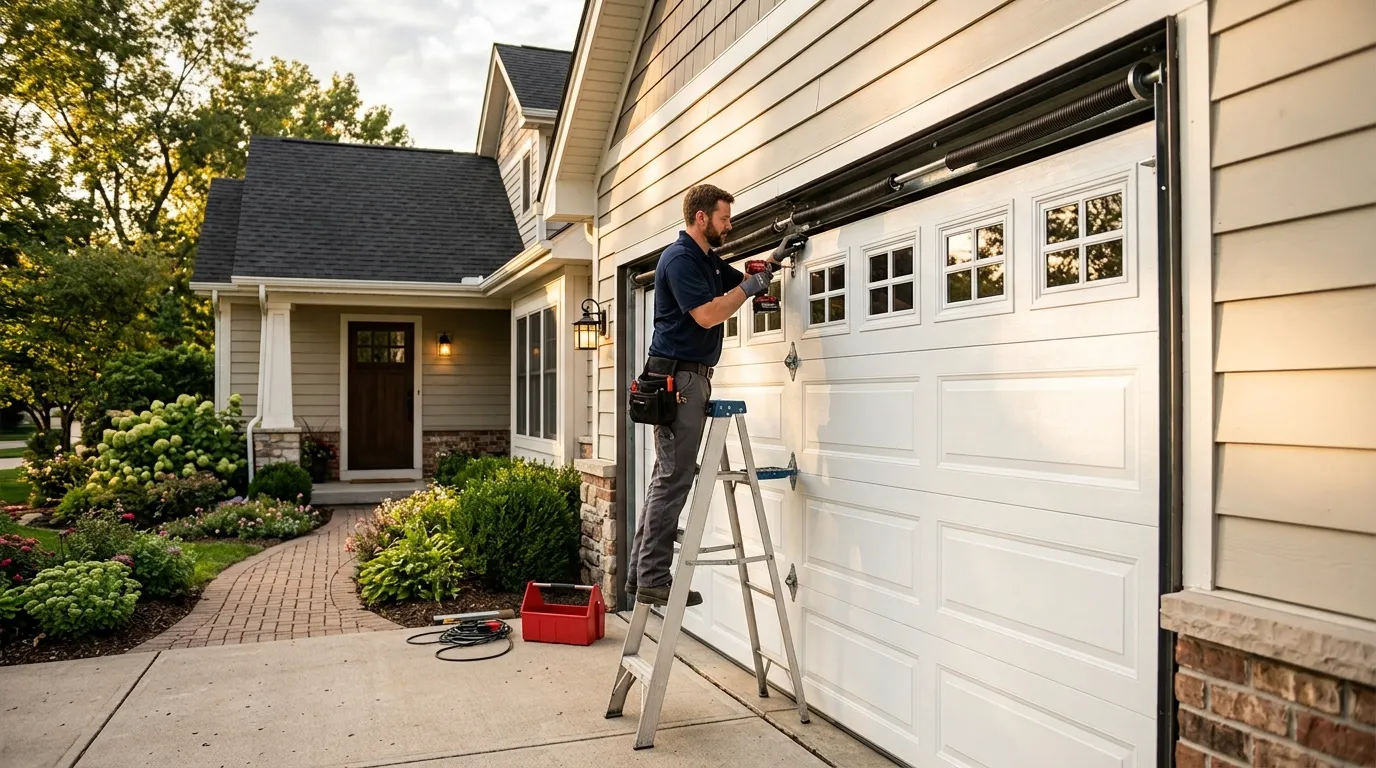
Swapping a like-for-like chain-drive opener on a single door is within reach for a comfortable DIYer with a ladder and a helper. Where it gets risky is the wiring to the wall control, the travel and force limit setup, and the safety reversal test - skip that last one and you've got a door that won't stop on an obstruction, which is the whole point of a modern opener. Houses built around 1980, which describes a good share of Olmsted Falls, often still have the original header framing sized for older lightweight sectional doors; if you're upgrading to a heavier insulated door at the same time, the opener horsepower and mounting bracket need to match, not just bolt up. We won't talk anyone out of doing their own opener swap on a straightforward single door. But if the existing bracket is bent, the header wood is split, or you're going from chain to belt with a different rail length, that's where a DIY job turns into two trips to the hardware store and a door that still doesn't seat right.
What the Repair Takes
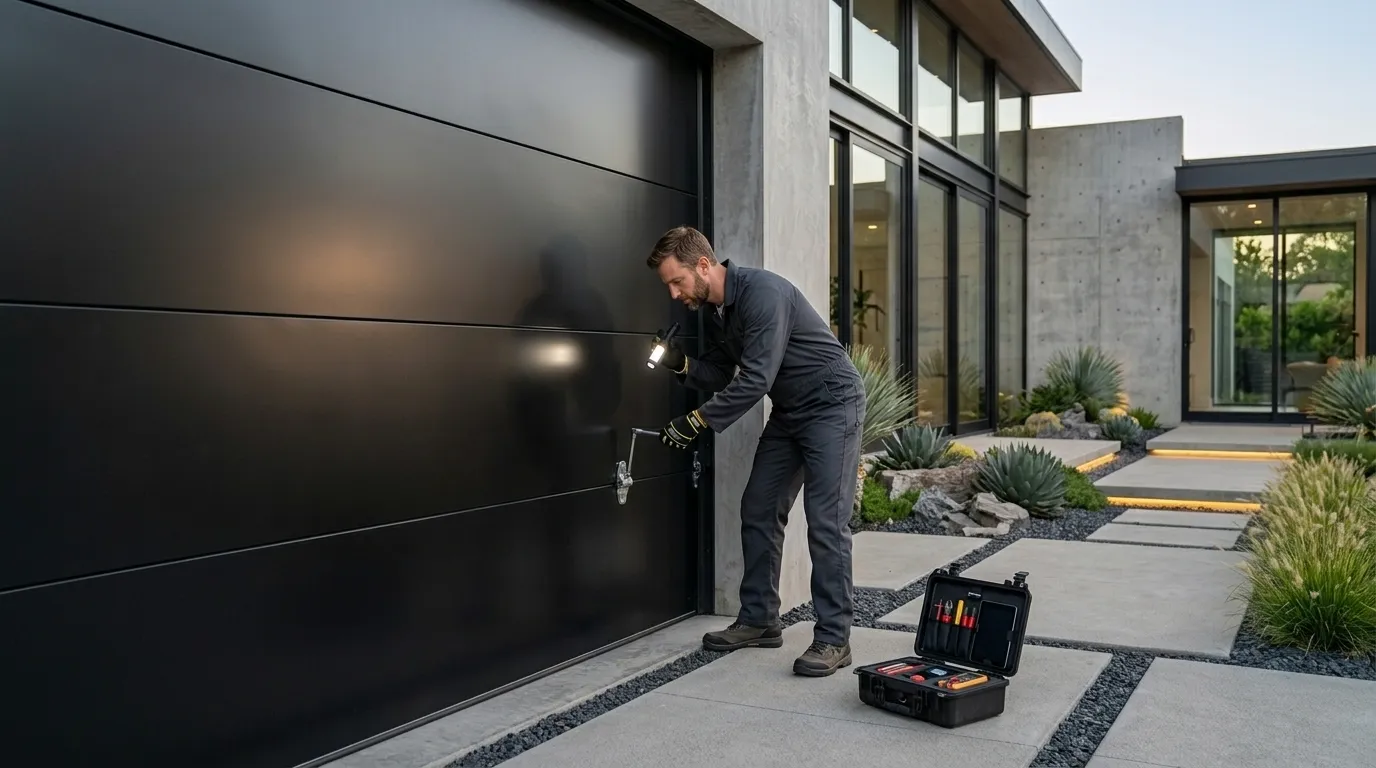
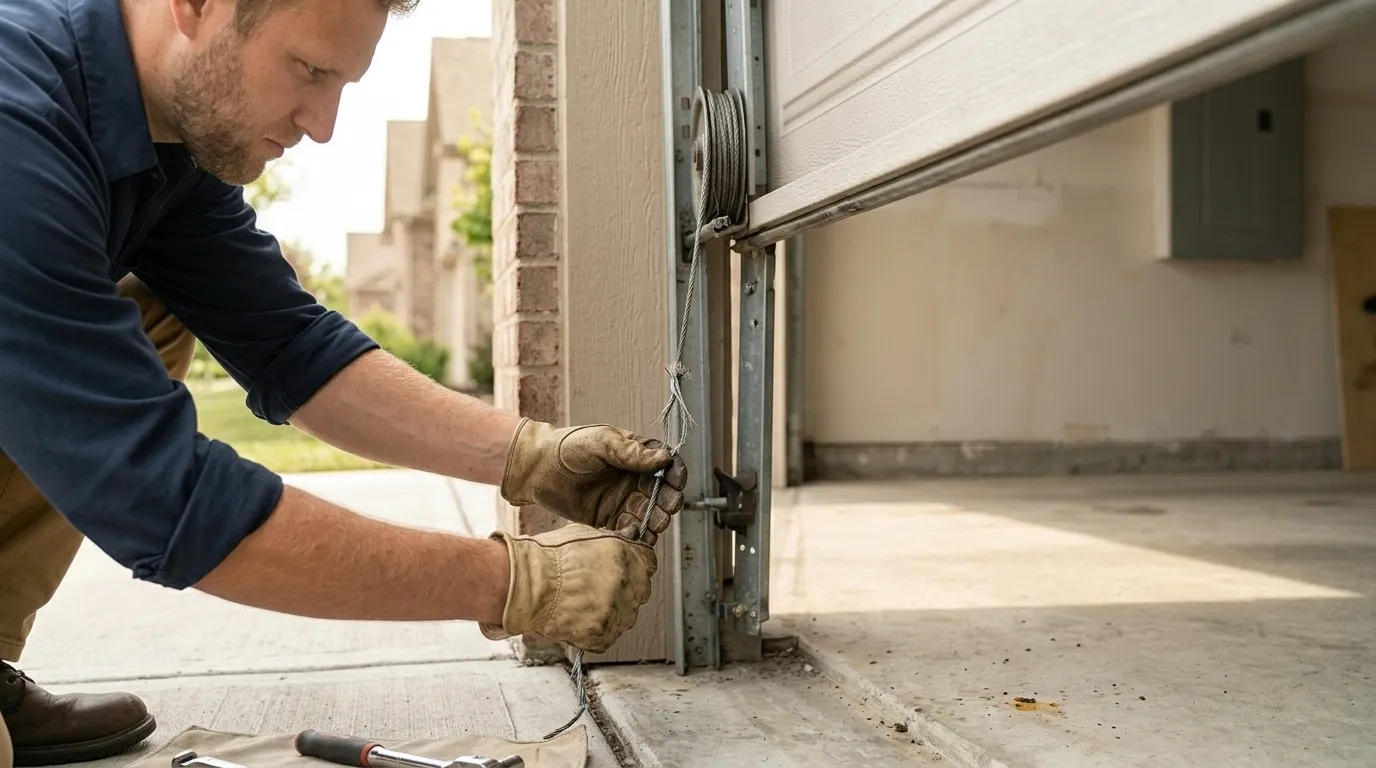
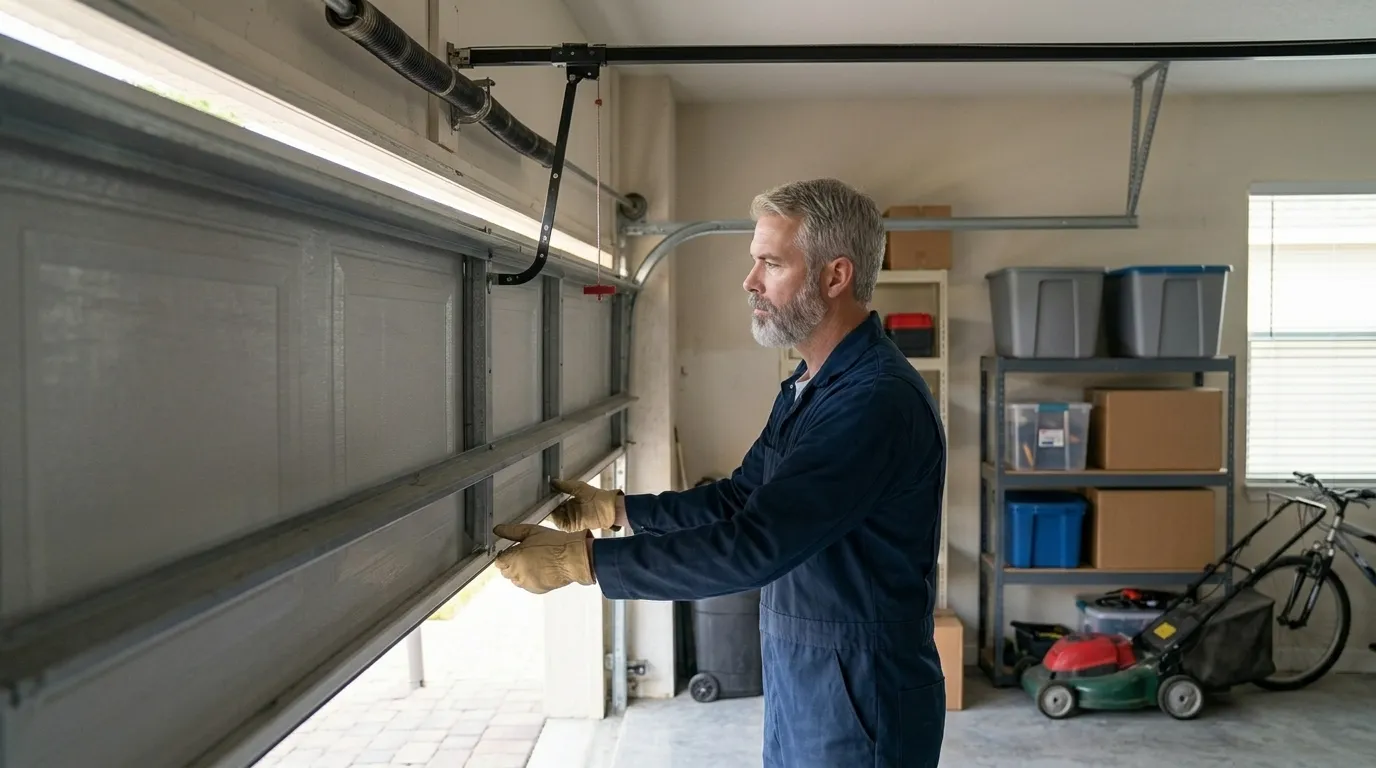
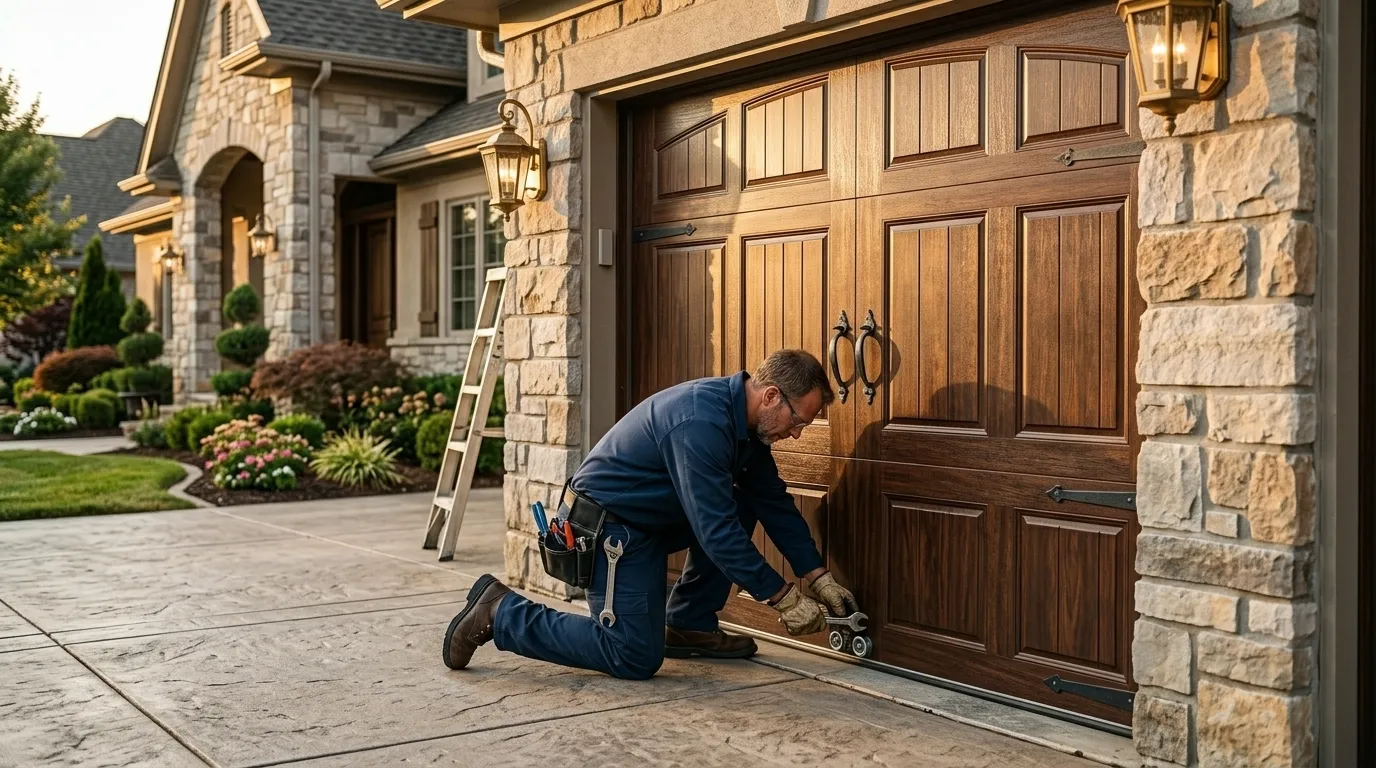
For a house of the 1980-ish vintage common in Olmsted Falls, the original opener - if it's still running - is usually a chain-drive unit with a mechanical limit switch, not the digital force-sensing kind sold today. Replacing it means new rail, new logic board, and running fresh low-voltage wire to the safety sensors and wall station, since the old wiring gauge and connectors often don't match current units. We test the door balance before mounting anything - an opener fighting a spring that's already tired will burn out early, and that's a bad trade for a homeowner who just paid for a new unit. Cold-climate strain matters here too: winters in this part of Ohio put real load on opener gearing and battery backup systems if the unit sits in an unheated garage, so we check that the motor and drive are rated for it rather than swapping in whatever's cheapest. Expect us to pull the old unit, mount the new rail and head, wire the sensors, and run a full open/close/reverse cycle test before we call it done.
How Long It Takes
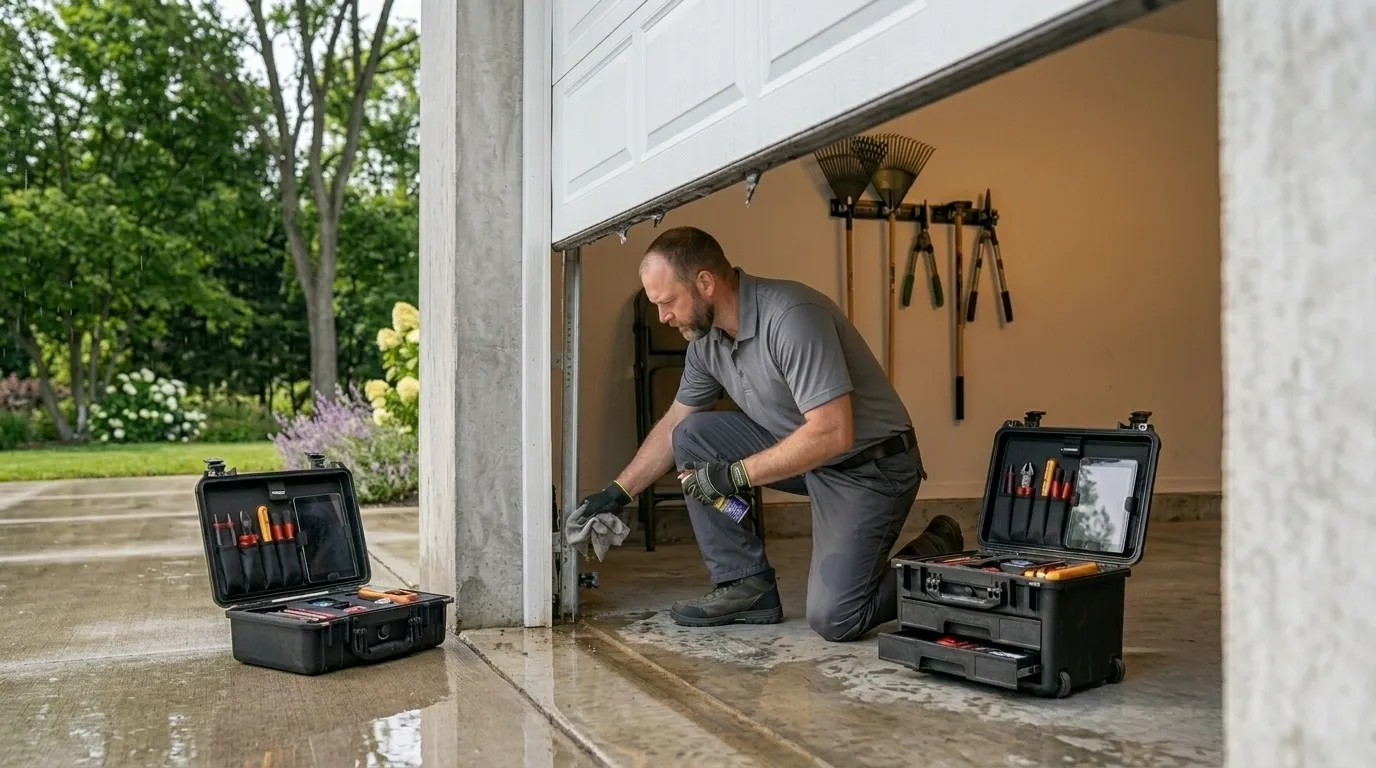
A straight opener swap on a single door, same mounting points, runs about the length of a normal service call once we're on site - most of that time is the balance check and the safety reversal test, not the mounting itself. Add time if the old bracket needs replacing, if we're running new wire because the existing gauge is undersized, or if you're going from a ceiling-mount chain unit to a wall-mount jackshaft, which means relocating the drive entirely. Because we're driving in from Strongsville rather than working out of a local yard, we plan the visit as one trip with the parts loaded ahead of time based on what you tell us about your door and opener when you book - that's the main reason it's worth being specific about the setup on the phone.