How Long It Takes
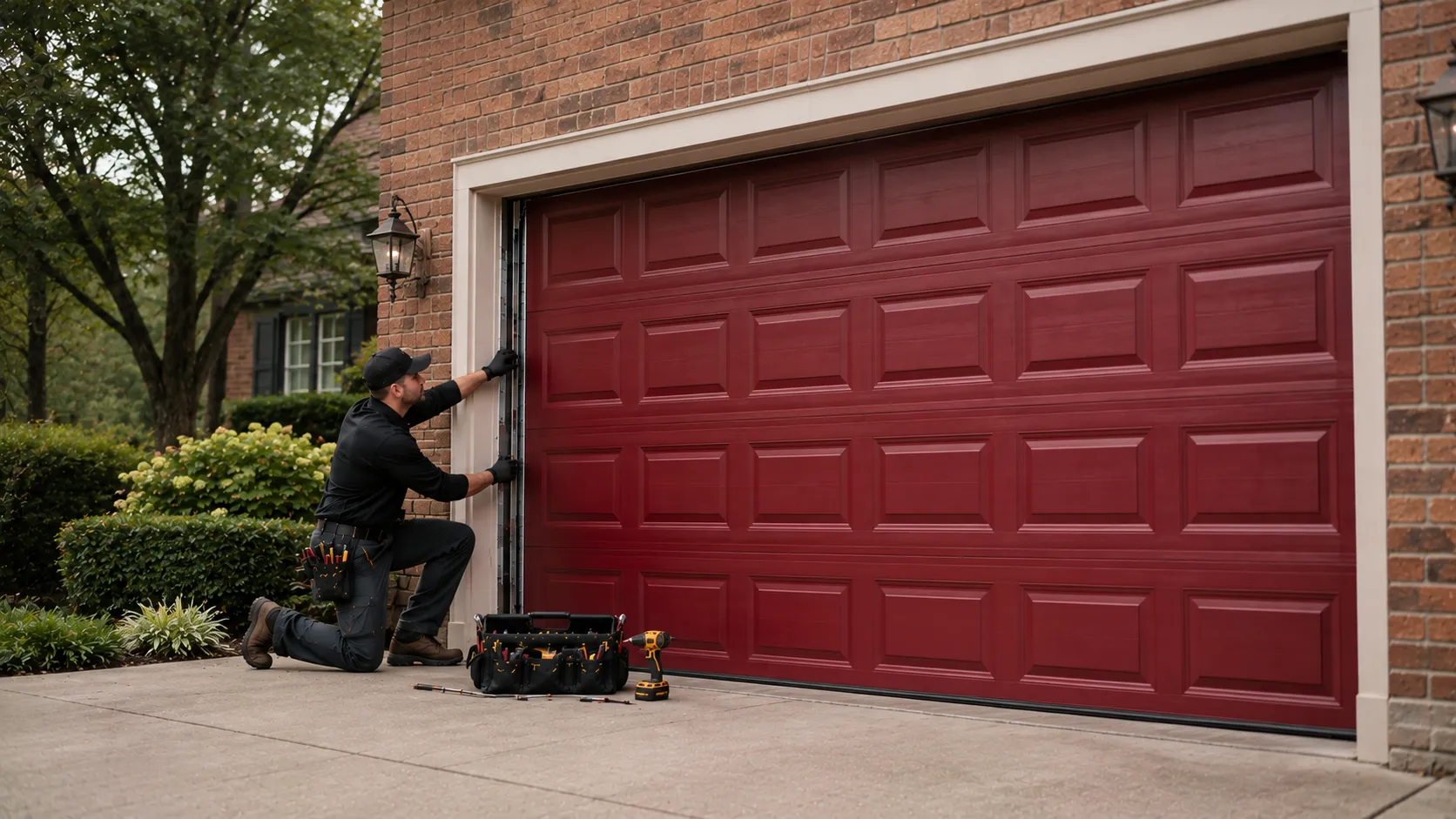
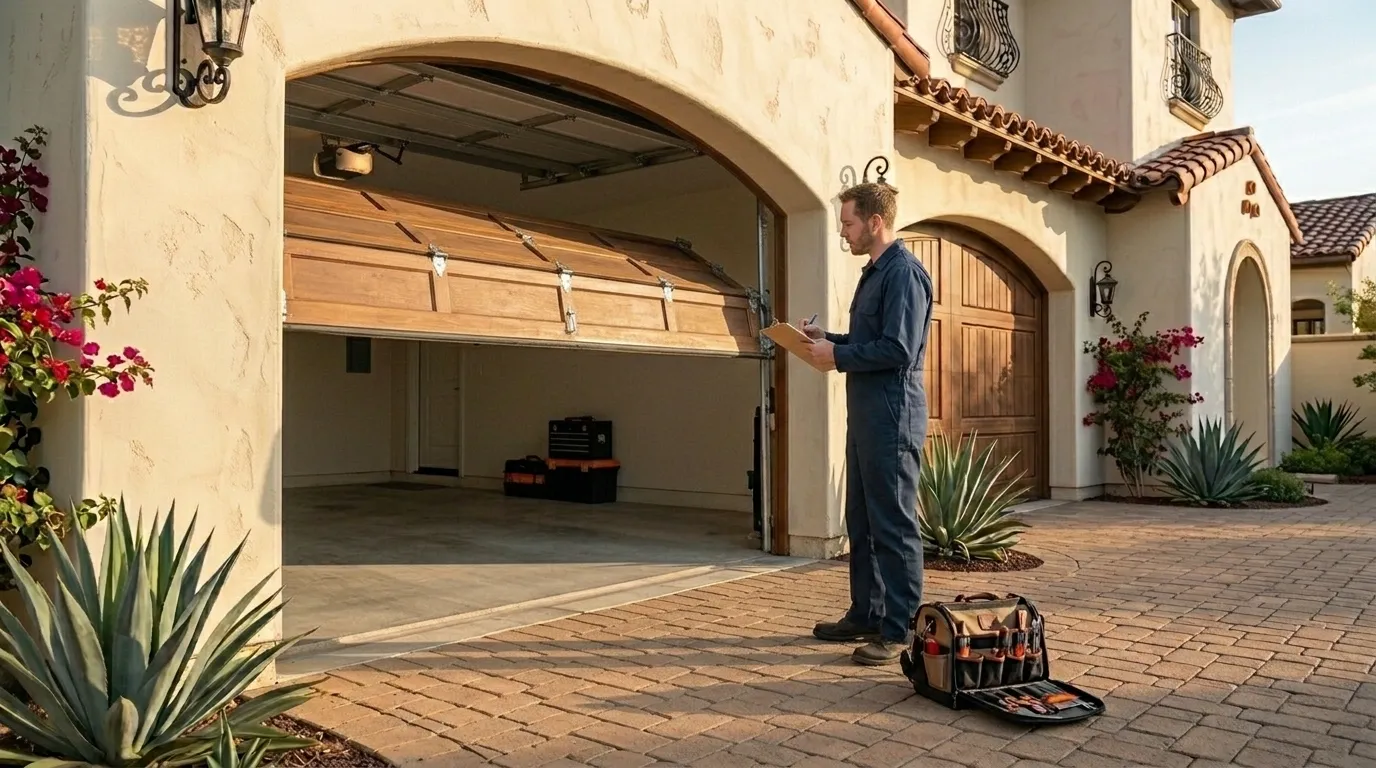
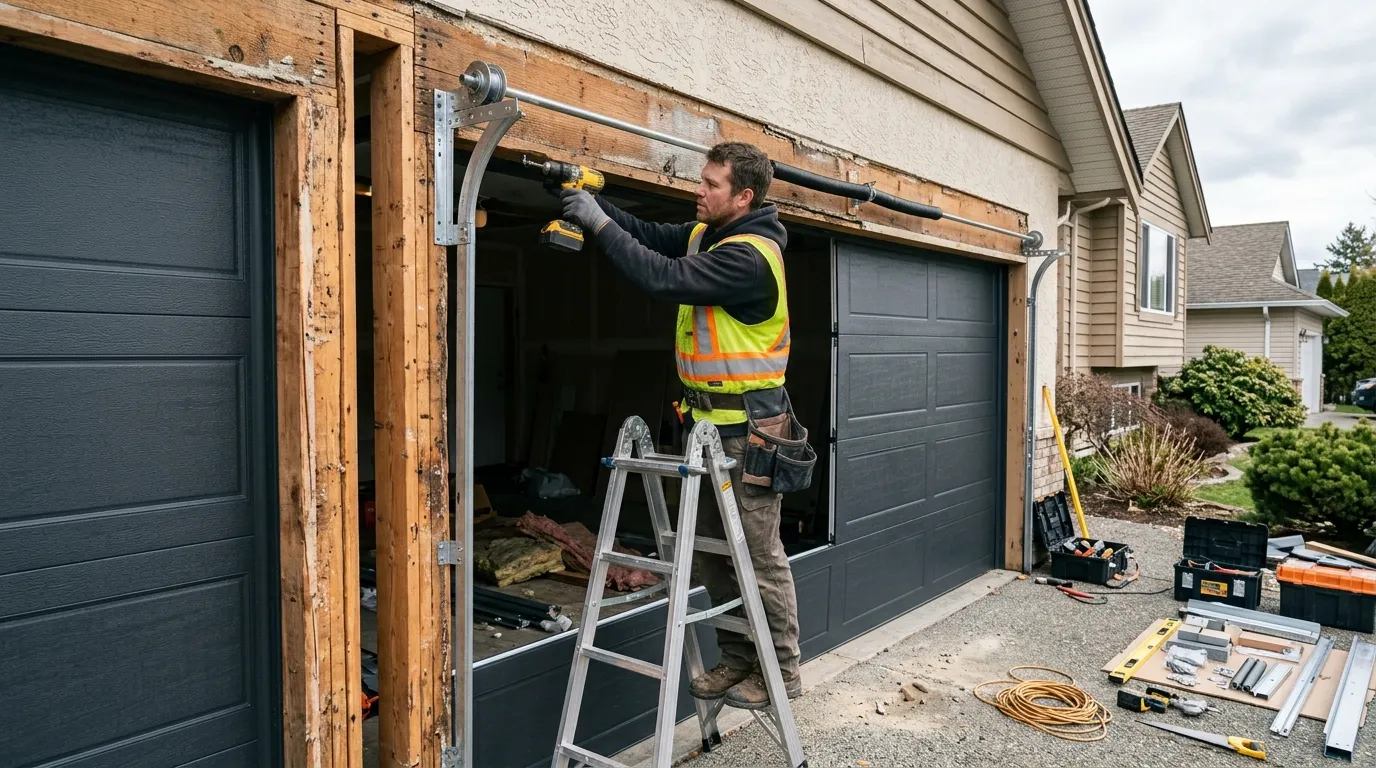
We drive from Strongsville, and Berea sits about 4 miles out - close enough that travel isn't the bottleneck on most calls. What takes time is diagnosing a door that's been patched more than once. On a building from the early 1960s, previous repairs sometimes mixed hardware generations - a newer opener bolted to an original track, or a spring swapped to a size that doesn't quite match the door's weight. Sorting that out before we touch anything adds time up front but saves a second visit. A straightforward spring or cable job on a single commercial door usually wraps in one visit. A door that's been limping along with mismatched parts, or a bent track from a forklift or truck clipping it, takes longer because we're correcting more than one problem at once.
What the Repair Takes
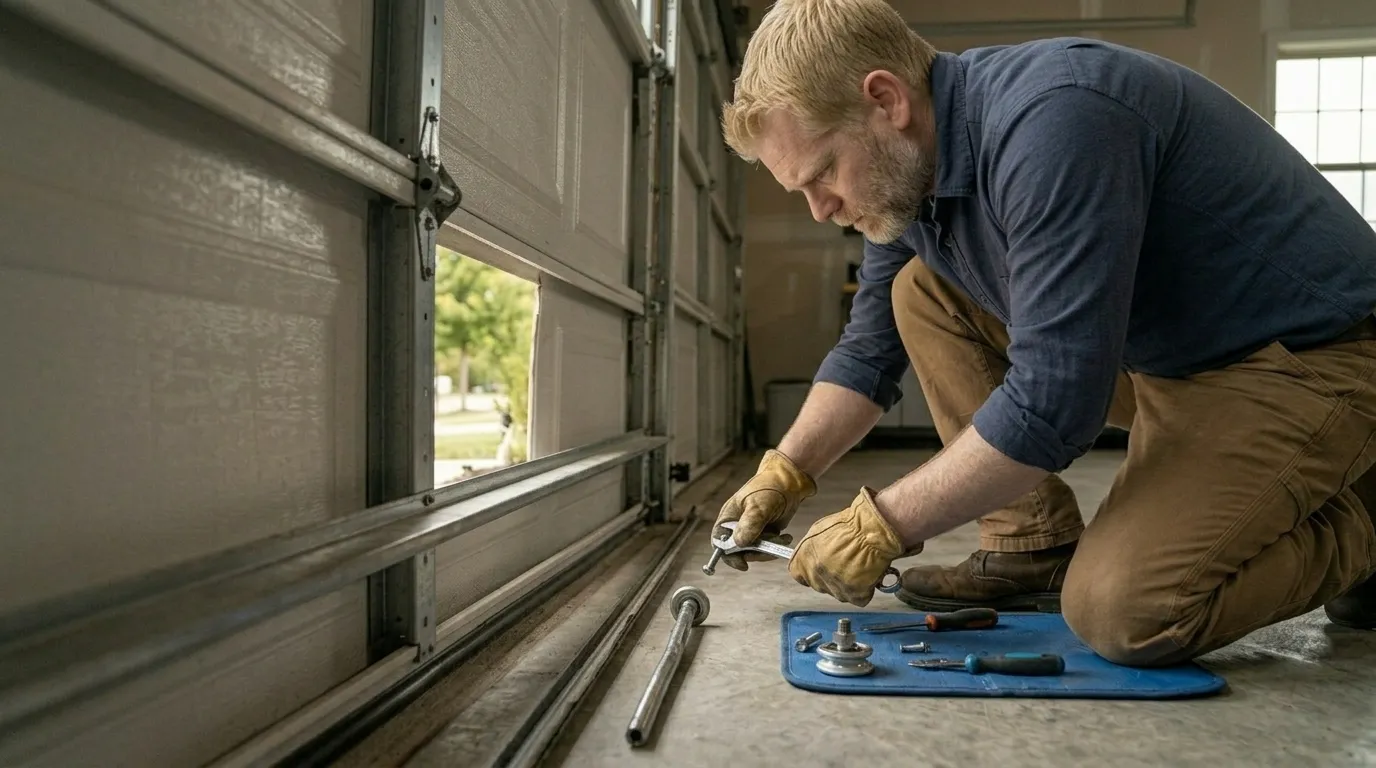
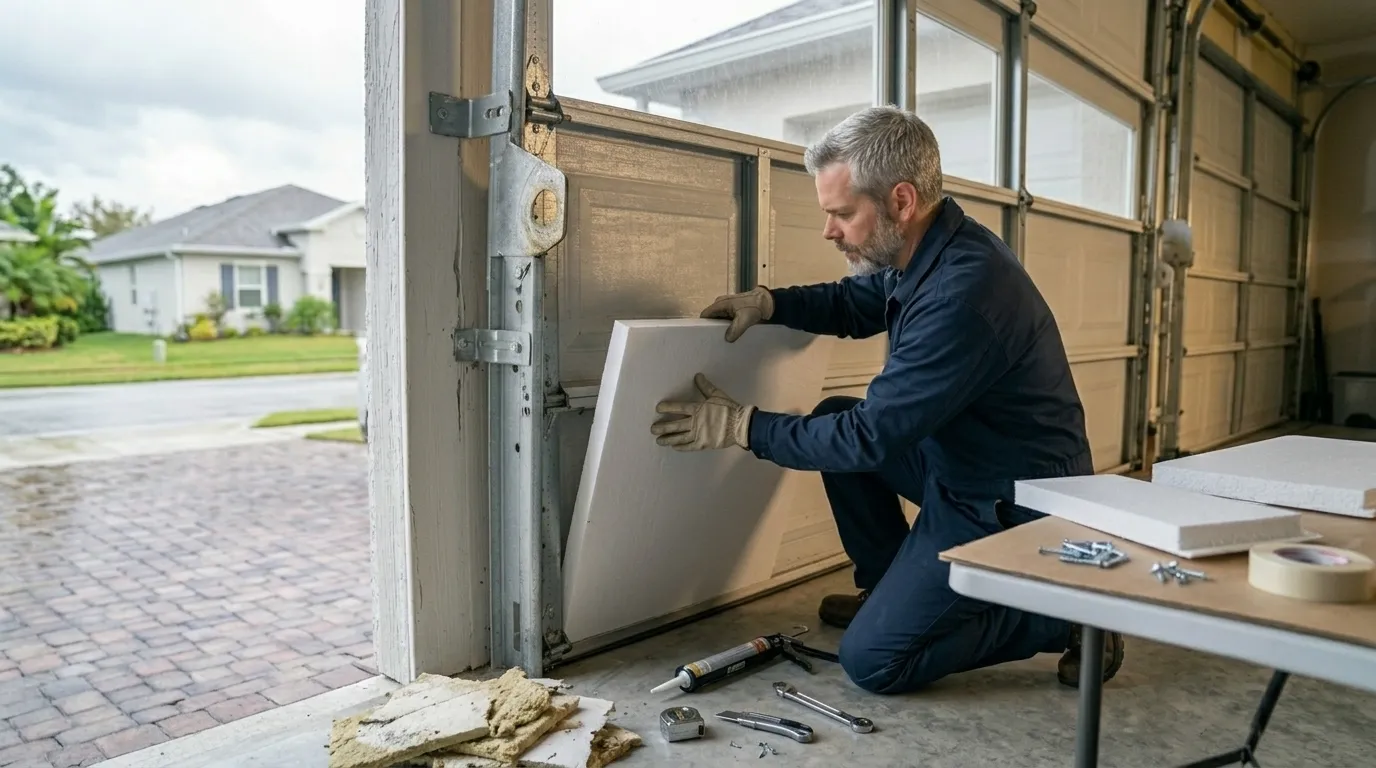
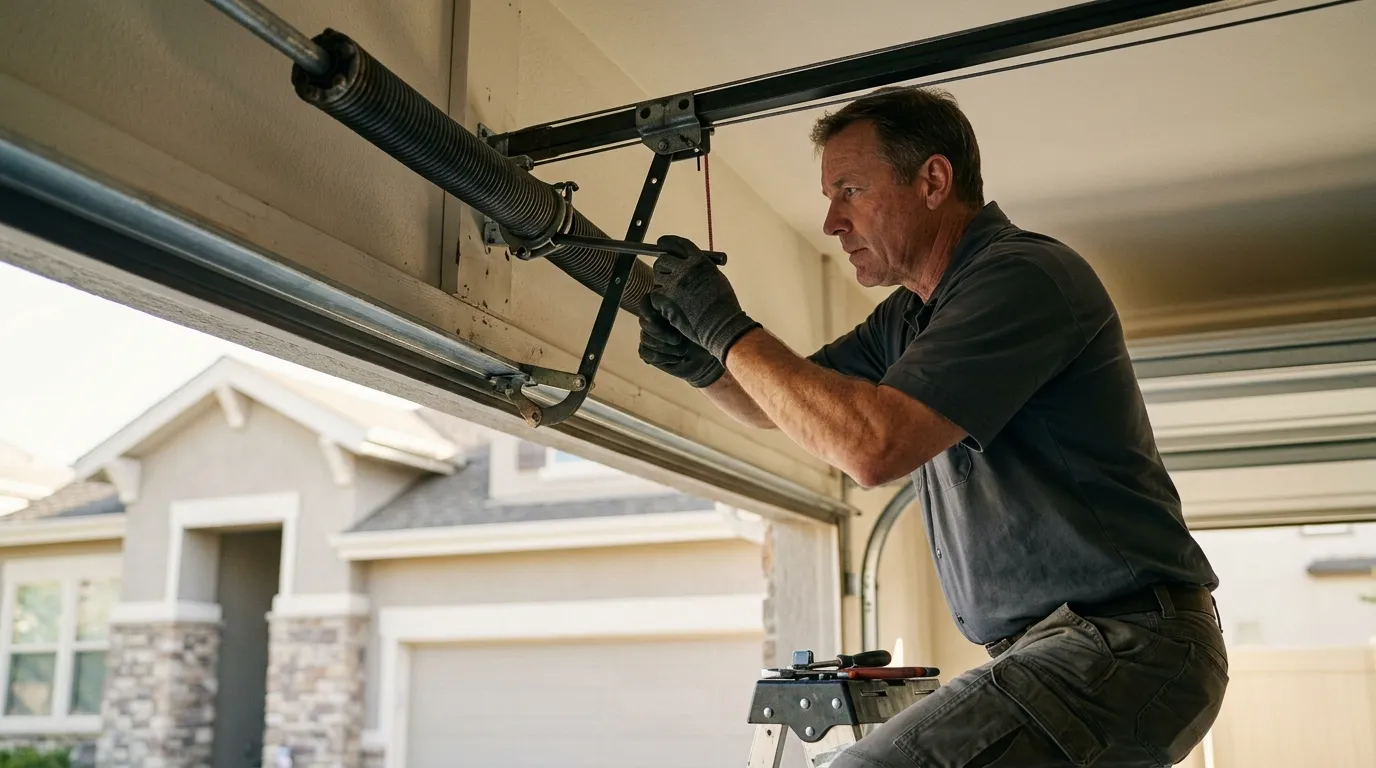
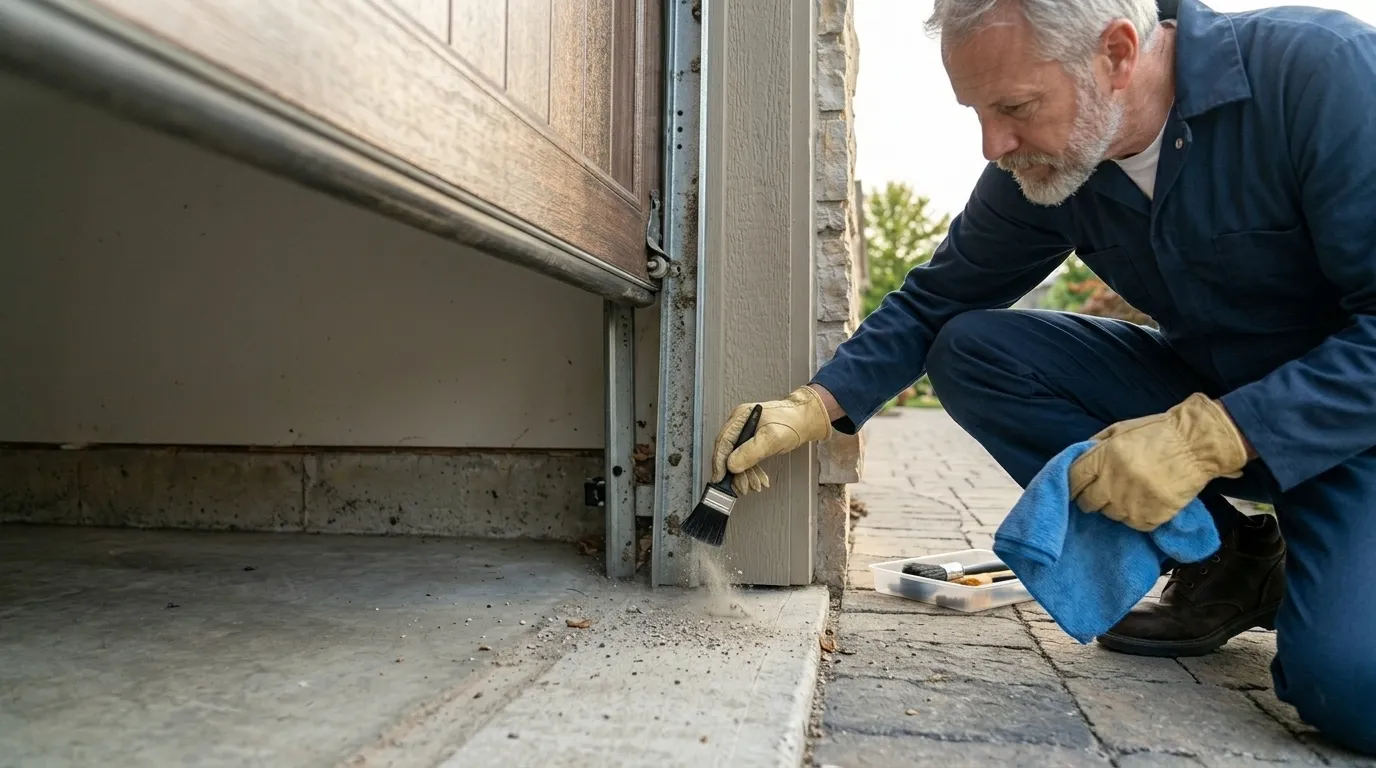
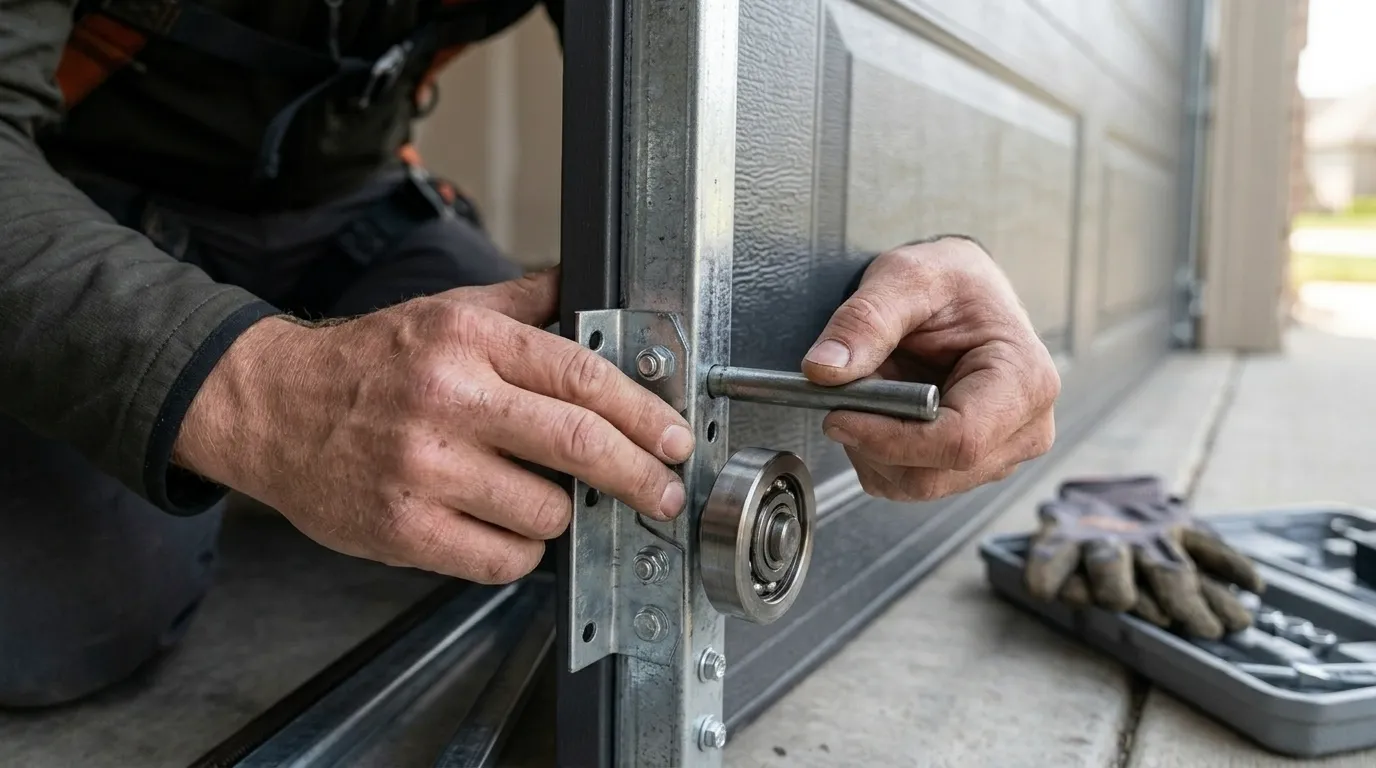
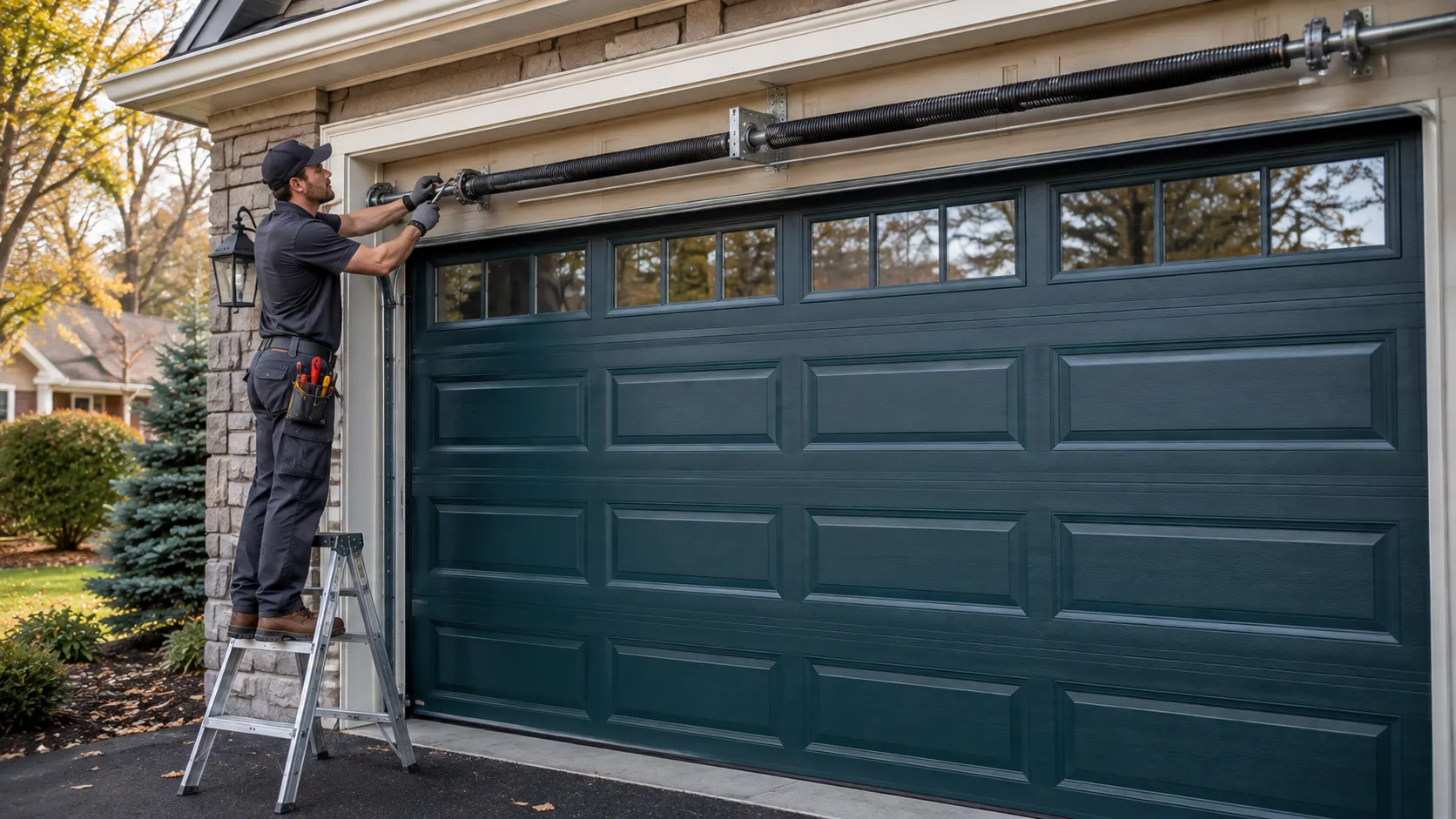
Cold-climate winters put real load on commercial doors here - the freeze-thaw cycle works on weatherstripping, hardens grease in the tracks, and makes torsion springs more likely to snap on a cold morning when they're already near the end of their cycle life. That's a known pattern for this climate band, not a guess. What the repair takes depends on what's failed: a broken torsion spring on a double commercial door means matched springs sized to that door's weight, not a universal replacement. A track knocked out of alignment needs the door taken down partway to reset it square, not just bent back by hand. One limitation worth saying plainly: if a commercial door's drum or shaft is worn along with the spring, patching just the spring is a short-term fix - we'll tell you when replacement of the whole assembly is the better spend, even if it costs more that day.
What You Pay
Berea's median household income sits at $71,896, noticeably below the roughly $92,639 median across the wider service area we work in. That gap doesn't change what a spring or a cable costs, but it does mean we try to be upfront about what's a must-fix versus a can-wait when we quote a repair, rather than defaulting to the biggest job. On a building this size, a torsion spring replacement, a cable swap, or a roller and track service call are the common jobs, and we walk through what's driving the cost - parts, the door's weight class, how much disassembly the fix needs - before starting. We don't have a fixed price list to hand you here since every commercial door's weight and hardware differs, but we'll give a number before the tools come out, not after.
What Can Go Wrong
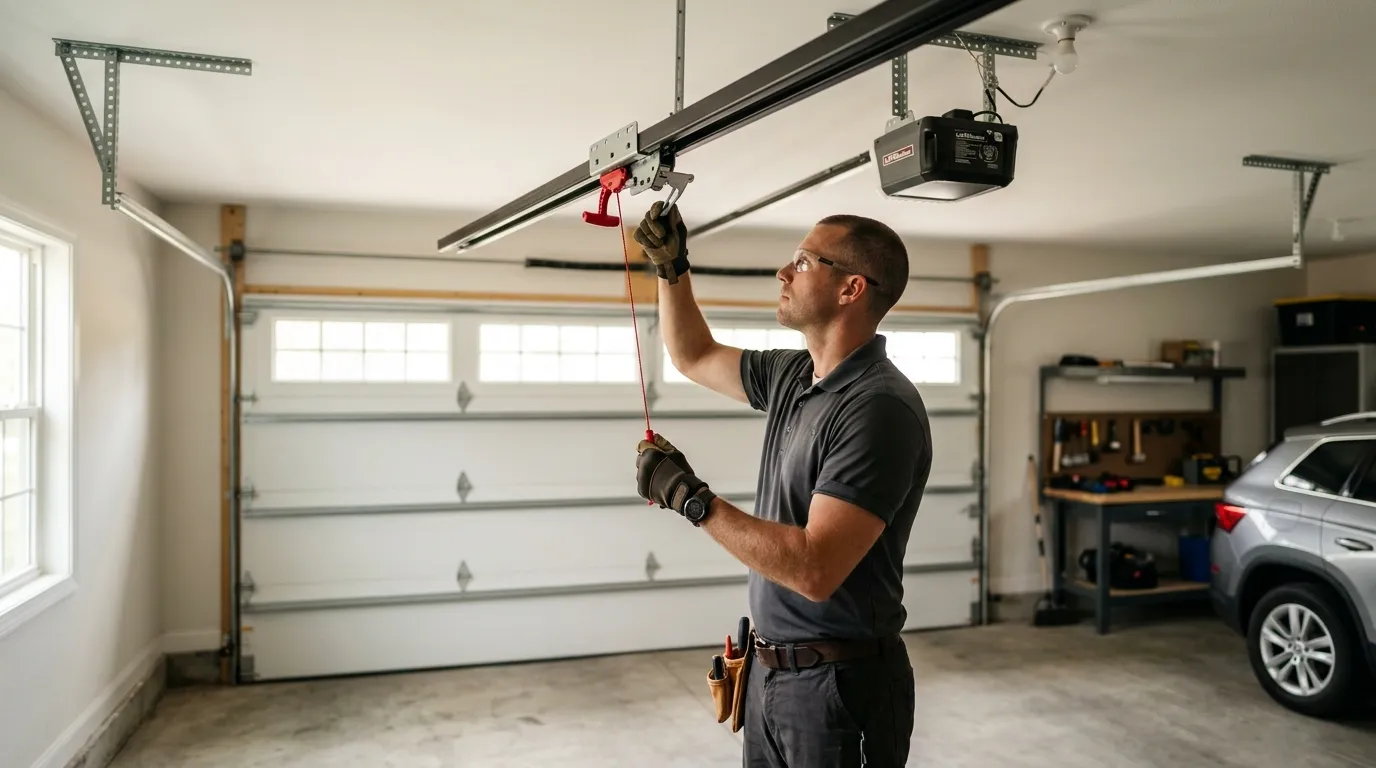
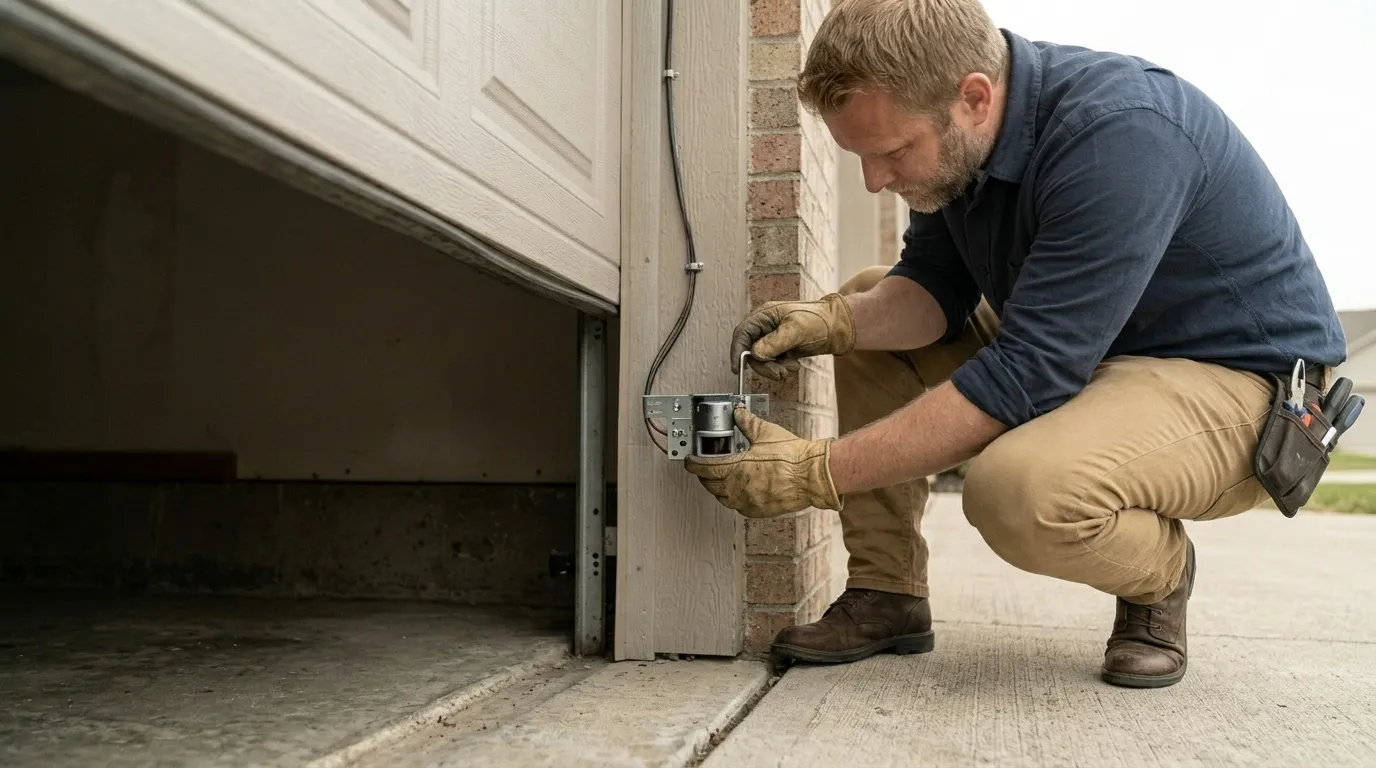
On buildings from the 1960s stock common in Berea, the two failures we see most are a torsion spring that's simply reached the end of its cycle count and a track that's racked out of square from repeated impact - a delivery truck, a forklift, a cart. Cold severe winters accelerate both: metal contracts, lubricant stiffens, and a spring that had another season left in a mild climate gives out here first. Openers on older commercial doors sometimes still run on hardware not built for the cycle counts a working business puts on a door, which shows up as a motor that runs but a door that won't fully seat. We'll flag when a repair is patching a door that's genuinely near the end of its service life versus one that's got years left in it - replacing a door that just needs a spring is money you didn't need to spend.