How Long It Takes
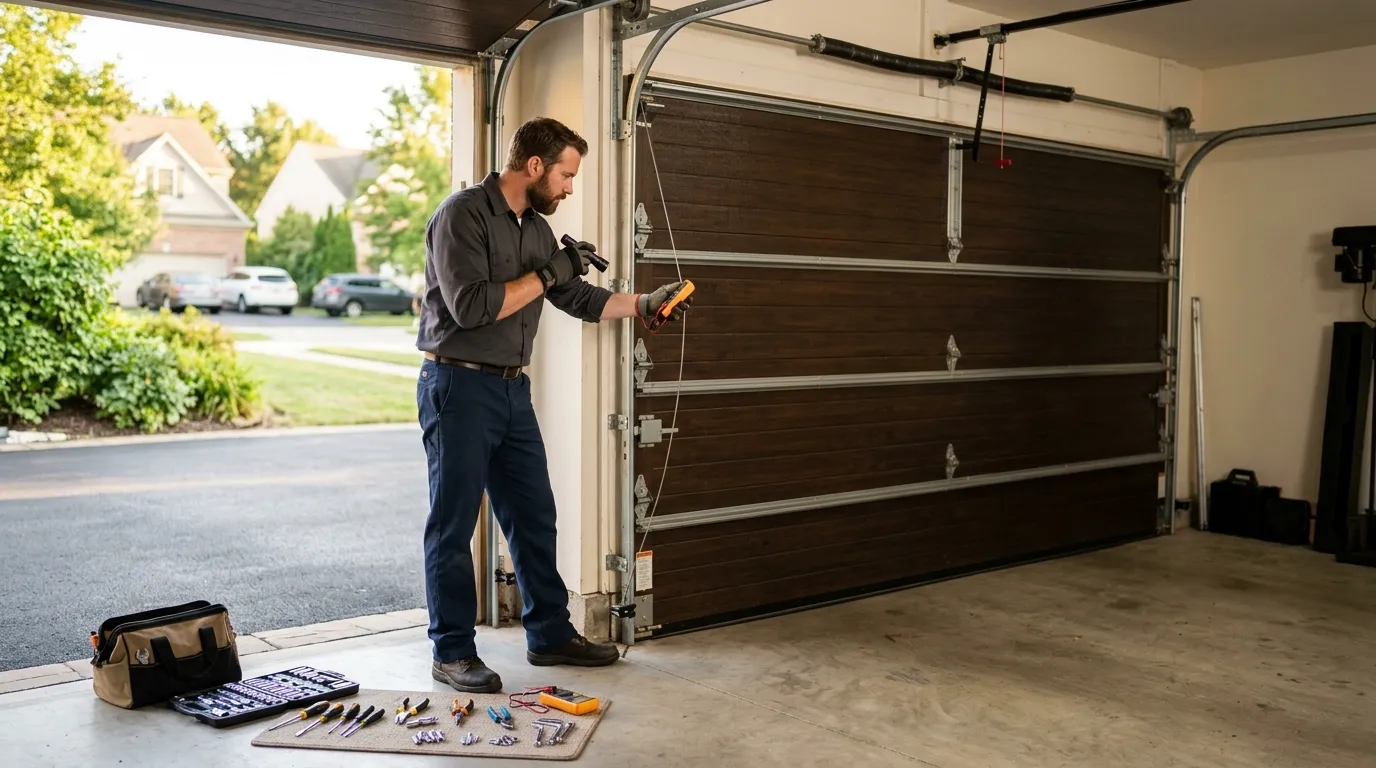
We come from Strongsville, about 4 miles out, so travel isn't the bottleneck on a Berea call. What takes time is diagnosing hardware that's older than what we see on newer builds elsewhere in the area. A straightforward torsion spring swap on a modern door is quick work. An extension-spring setup on an original track, especially if the drums or pulleys have never been replaced, takes longer to inspect properly because we're checking parts that may not match current stock sizes.
We won't guess at a fix over the phone for a door this old without seeing it first. That's not us dragging out the job - it's that guessing wrong on 1960s hardware means a second trip and a second charge, and neither of us wants that.
What the Repair Takes
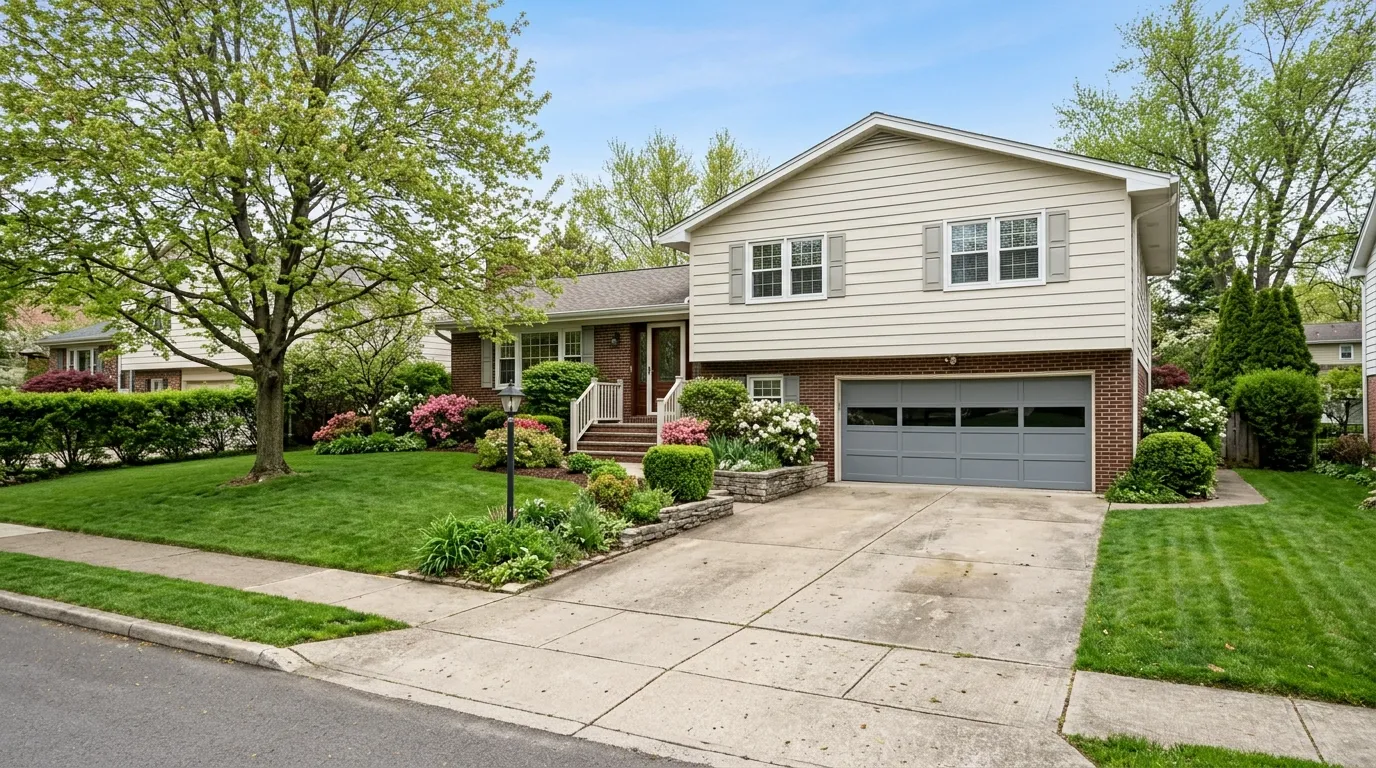
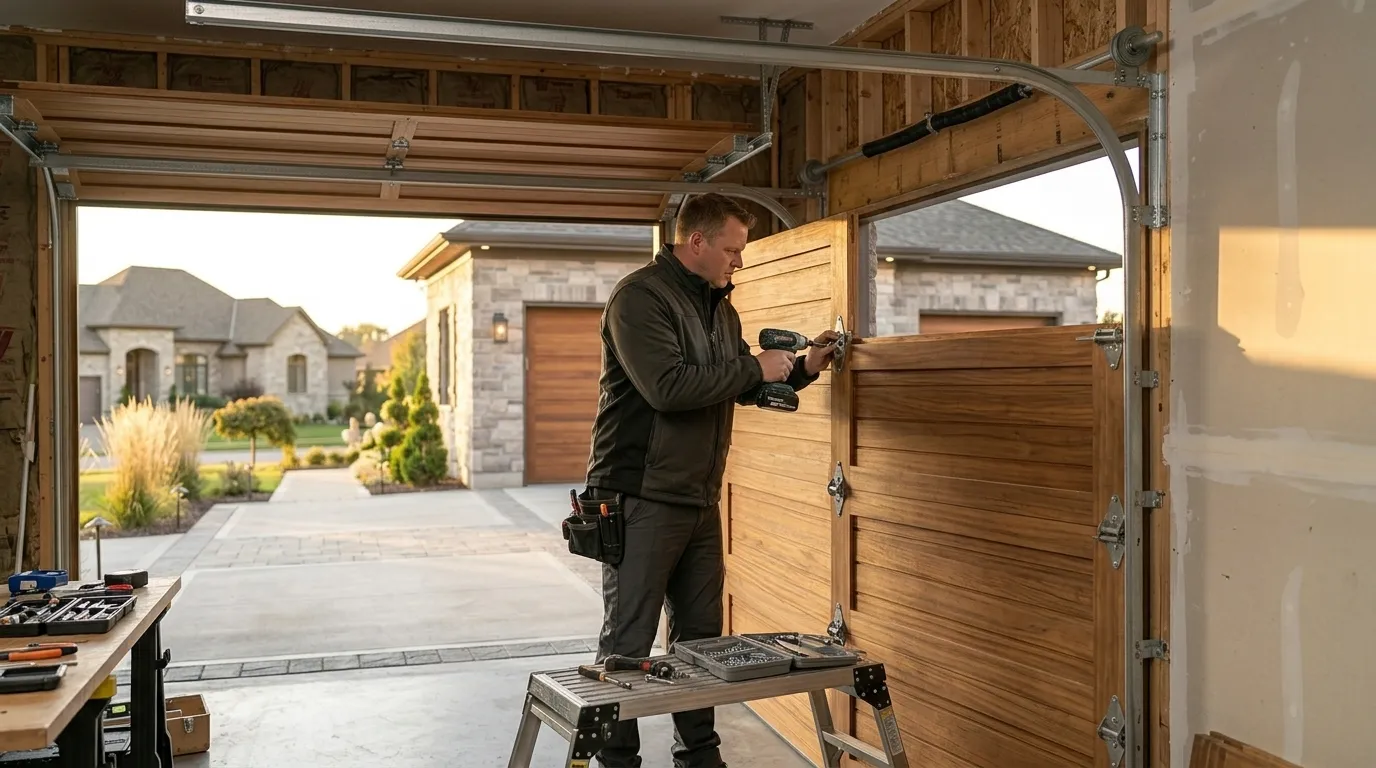
For houses in Berea's build era, the repair kit is different from what we carry for a 1990s door. Extension springs, older-style drums, and non-standard track brackets sometimes need to be sourced rather than pulled straight off the truck. We're upfront about that: if your door has original hardware from around 1960, the part itself may take longer to get than the labor does.
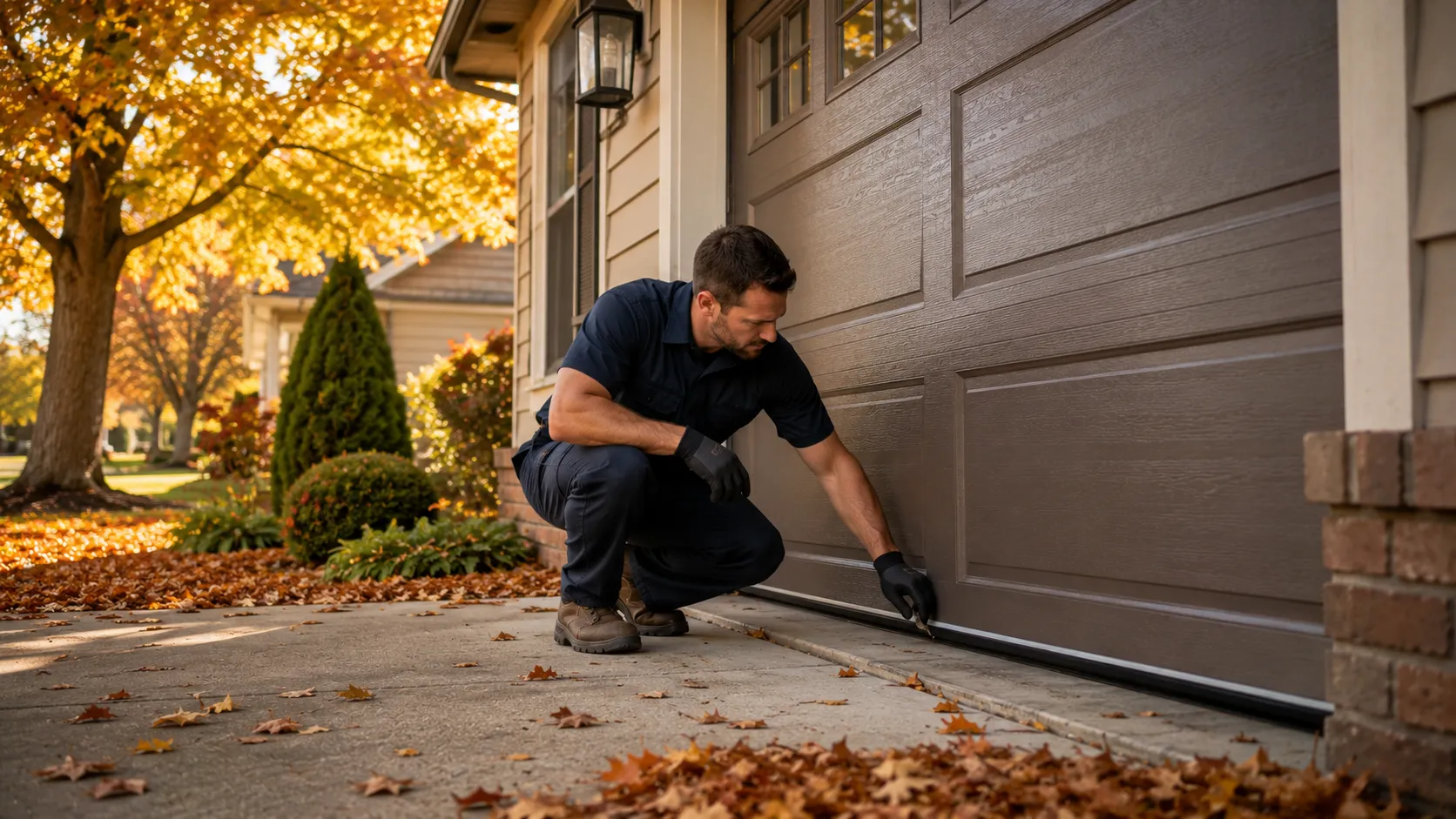
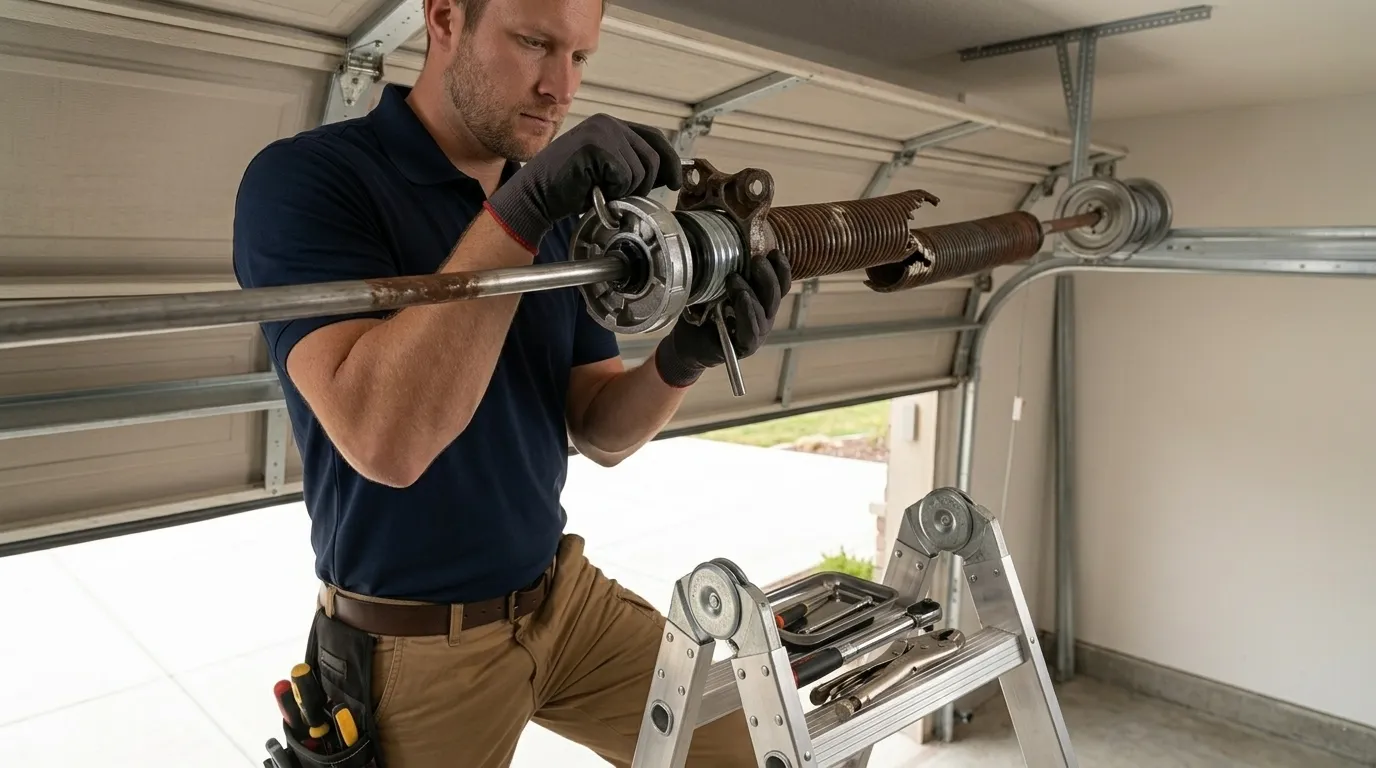
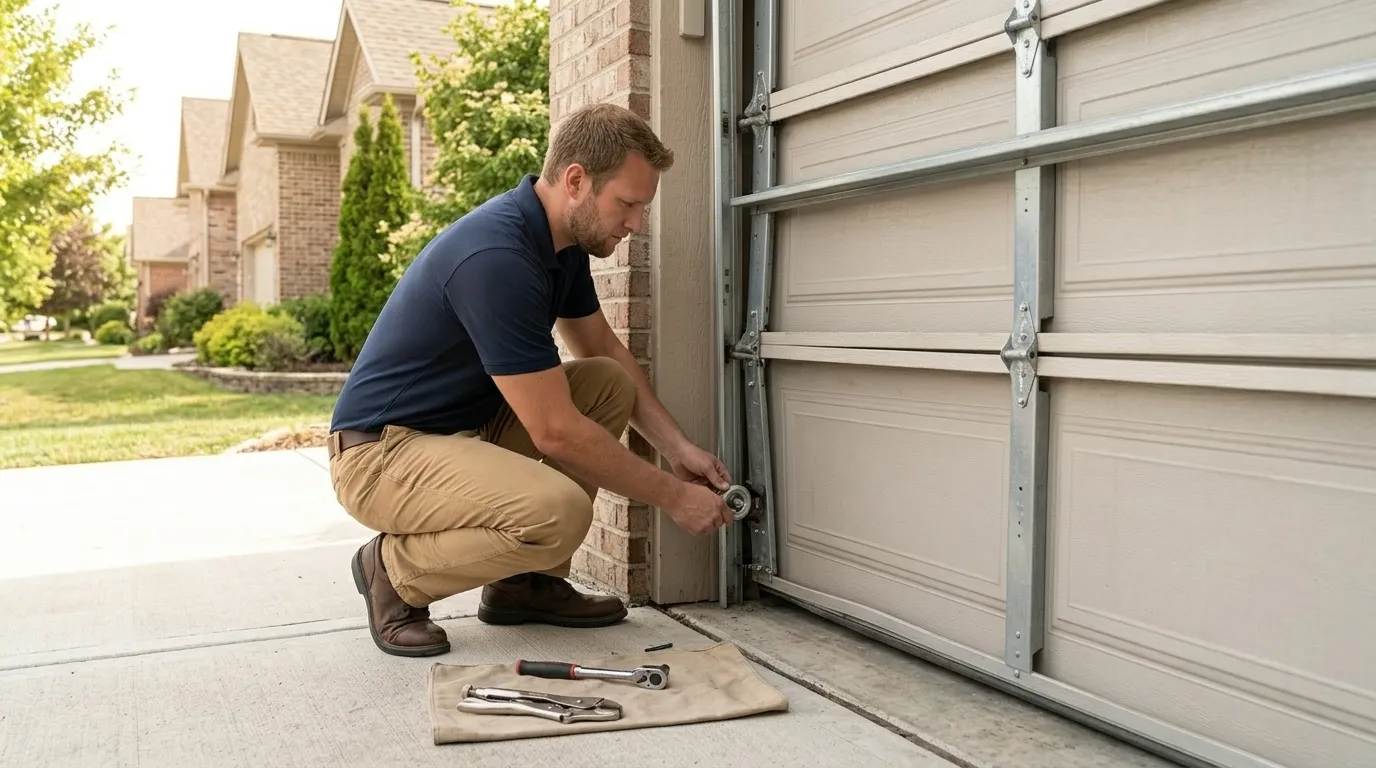
The cold-climate factor (this whole area sits in a severe cold band) means metal parts on older doors have usually gone through more freeze-thaw cycles than the same part would on a house of the same age somewhere milder. That's part of why a spring that looks fine in July snaps in January. We check for stress cracking and rust pitting on any spring or cable that's original to the house, not just the one that's obviously failed.
What You Pay
We don't have a published price list to quote here, and we're not going to invent one. What we can say is that older extension-spring setups from Berea's 1960-era housing stock sometimes cost more to fix than a comparable torsion-spring repair on a newer door, simply because the parts aren't sitting on every supplier's shelf the way modern torsion springs are. If a part has to be sourced, we tell you that before we start, not after.
Berea's median household income sits at $71,896, notably below the wider service area's $92,639 median. We mention that because it's real context for what a repair-versus-replace decision looks like here - we'd rather fix a sound door with sourced parts than push a full replacement when the frame and track are still solid.
What Can Go Wrong
On a door with original 1960s-era hardware, the failure that worries us most isn't the spring itself - it's a cable or drum that's been quietly wearing next to it for decades without anyone noticing. Replace the spring alone on an old extension-spring system and leave a frayed cable in place, and you've fixed one problem and left another ready to go.
We also won't repair a track system that's bent or a drum that's cracked just because a customer wants the cheaper fix. On hardware this old, patching around a structural problem usually means a second failure within the year, and that costs more than doing it right the first time. If a door's frame or track is compromised, we say so plainly rather than sell a spring swap that won't hold.