How Long It Takes
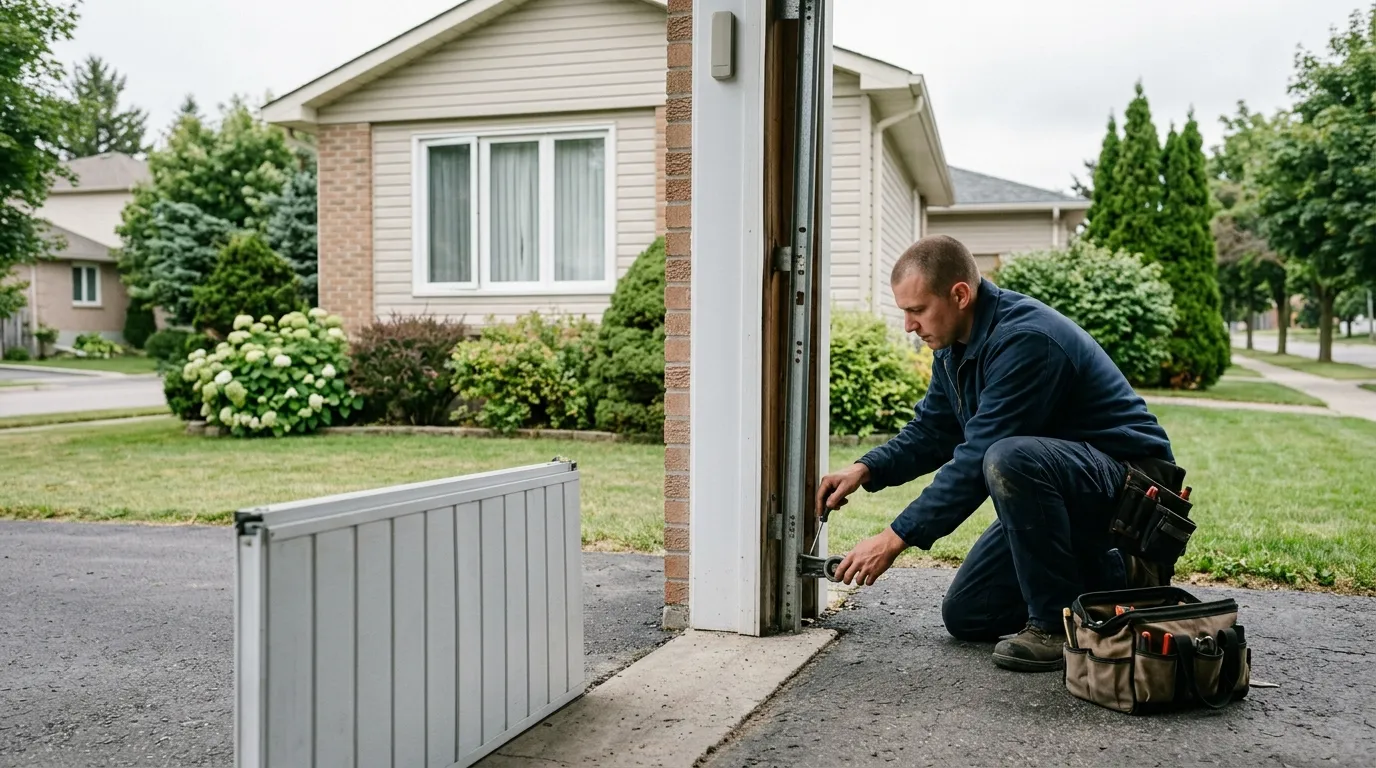
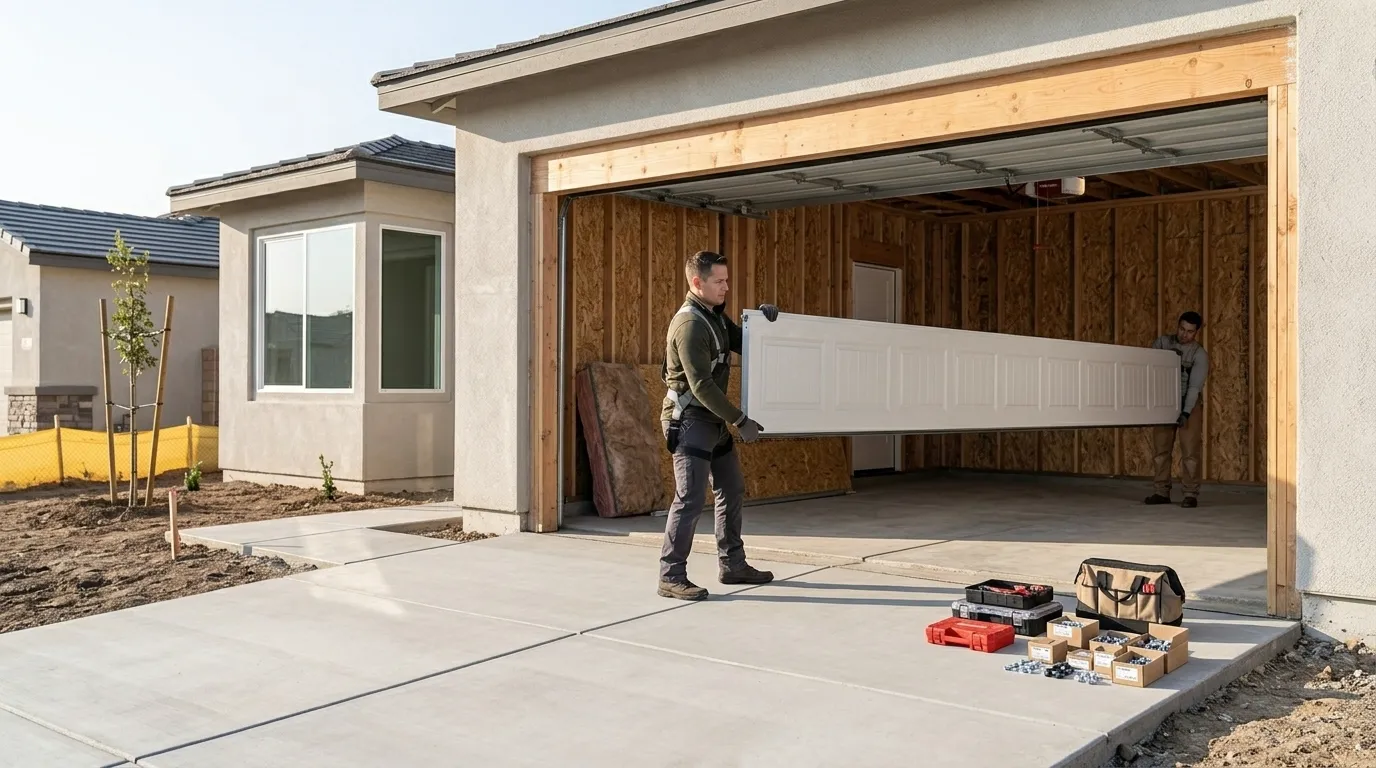
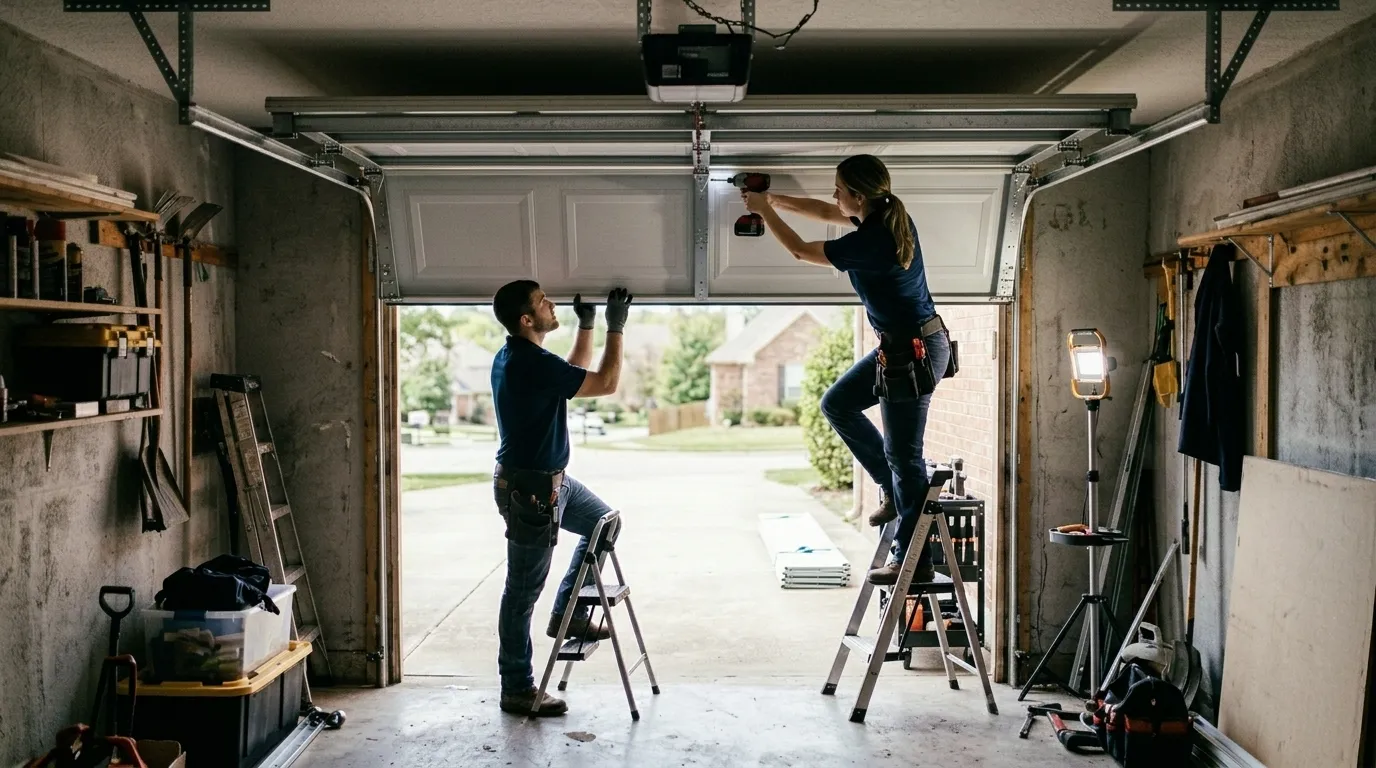
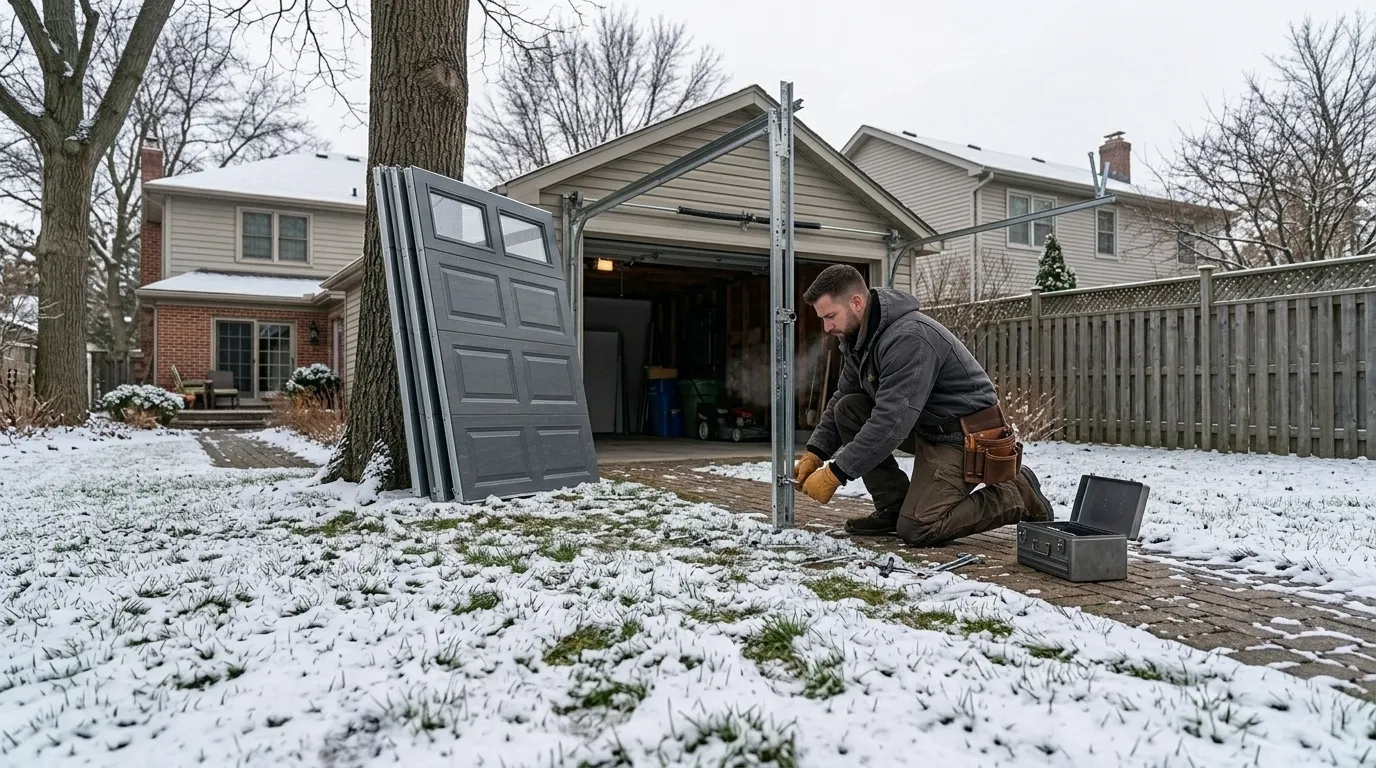
A straight swap, where the existing track and rail are square and the door itself is sound, is a same-visit job. Where it takes longer is when the rail bracket was never reinforced for anything heavier than the original chain drive, or when the header above the door has settled enough over sixty-plus years that the mounting point needs to be built out before a new opener can hang level. We won't guess at your garage without seeing it, but the age of the house is usually a decent predictor of which of those two jobs you're getting. Older mounting hardware, more prep. We don't pad the visit to make it look like more work - if it's a clean swap, it's a clean swap, and we say so before we start.
What the Repair Takes
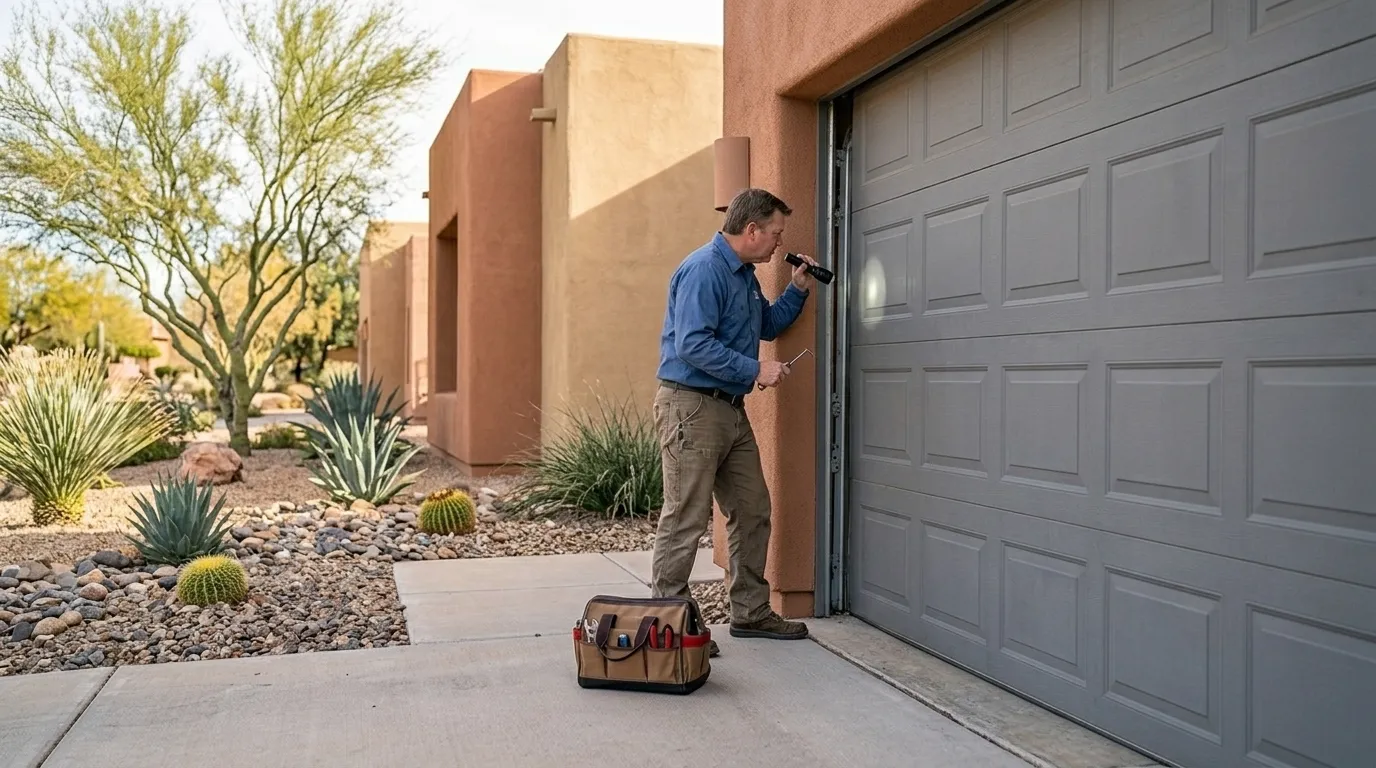
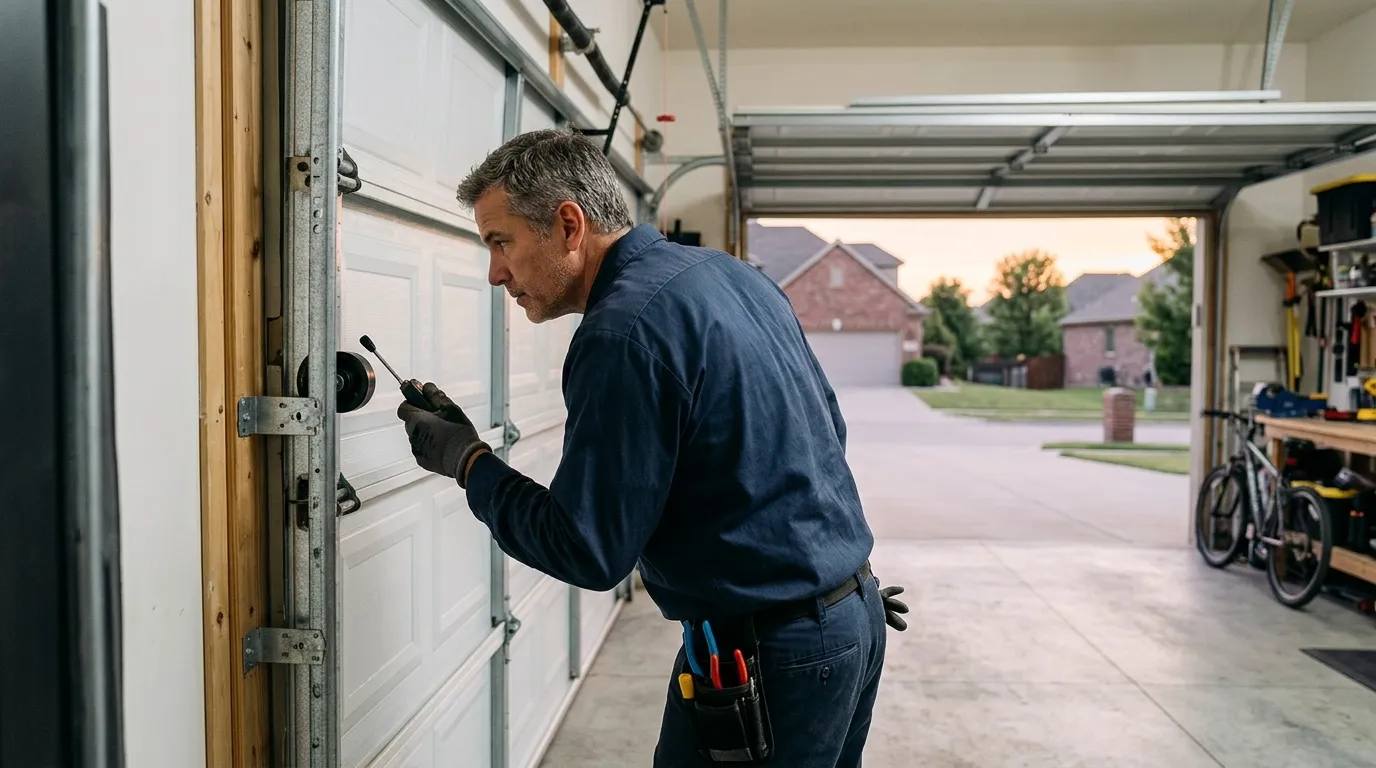
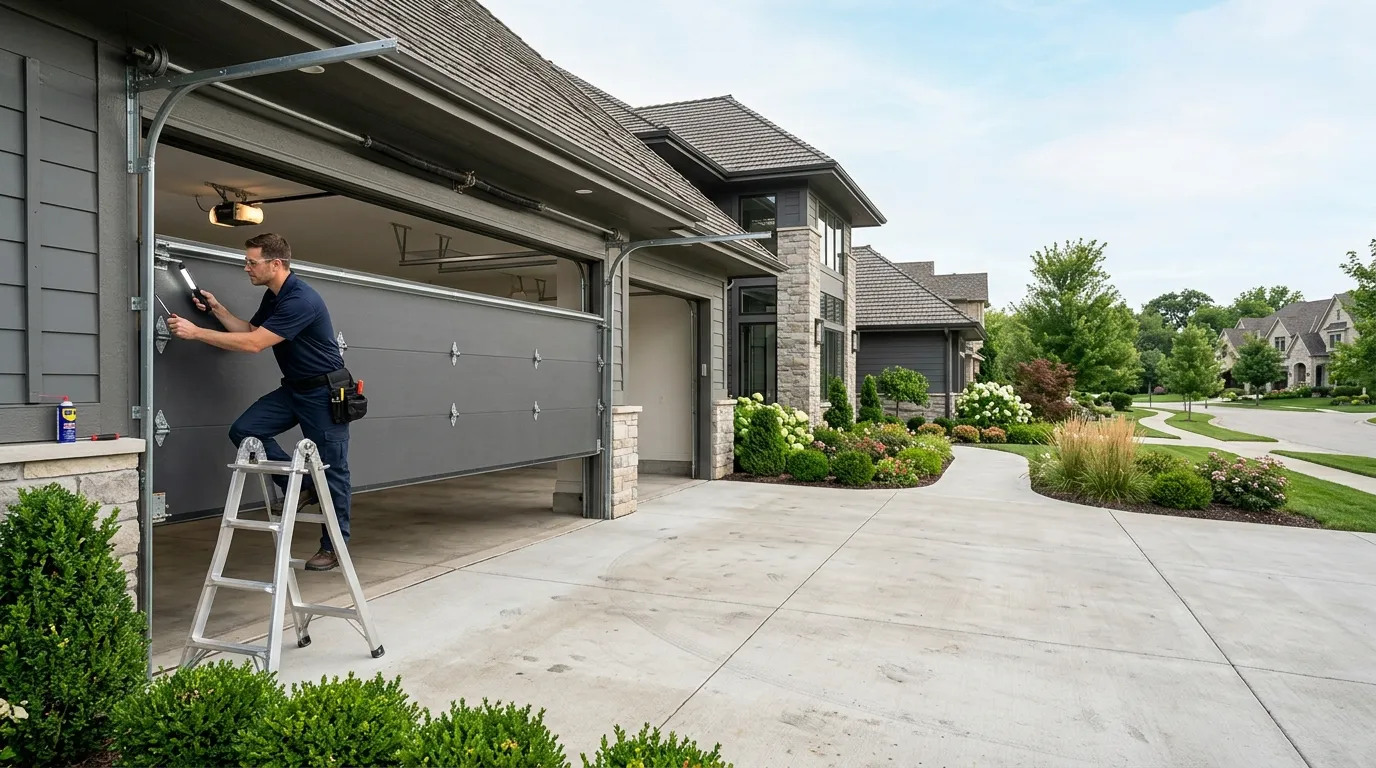
Installing a new opener in a house from this era usually means matching a modern unit to an older door and rail, not just bolting on the newest thing on the shelf. Doors from the 1960s tend to run heavier than current steel and composite doors, especially if the panels are original wood or early steel-over-wood construction, so the opener's lift capacity and the arm bracket both need to suit that weight, not a generic average. We also check the safety reversal sensors and the wiring path, since a lot of these garages were wired for a single overhead light, not a motor and a keypad both drawing off the same circuit. One honest limit here: if the door itself is warped, off its rollers, or the track is bent, a new opener won't fix that, and we'll say so rather than install a good motor on a door that's going to keep binding.
What You Pay
We don't post a flat number here because the job in a Berea garage depends on what's already mounted - a straight swap costs less than a job that needs a new header bracket or rewired circuit. What we can say is that median household income in Berea runs $71,896, noticeably under the $92,639 median across the broader area we serve, and that gap shows up in the calls we get: more owners here ask us to walk through repair-versus-replace honestly instead of defaulting to the newest unit. That's a fair question and we answer it straight - sometimes a $40 sensor fixes what looks like a dead opener, and replacing the whole unit would have been wasted money.
What Can Go Wrong
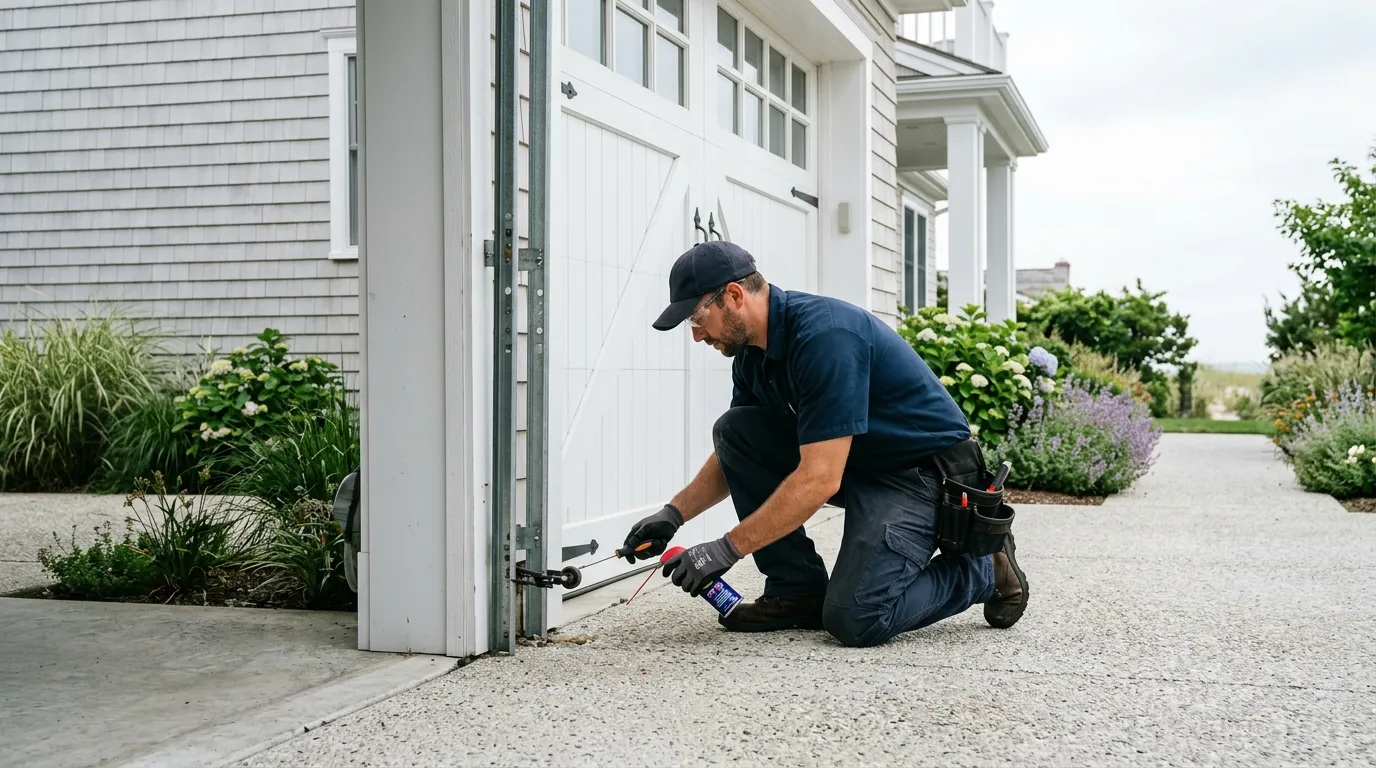
The two failures we see most in this part of town both trace back to the housing stock. First, cold: a unit built or installed decades ago wasn't speced for the cold-and-severe winters this region gets, and lubricant that's thickened up in January puts more strain on the drive gear than the unit was built for, which is often the actual cause of a motor that hums but doesn't lift. Second, wiring: with 6,995 households in Berea, most sitting in that same 1960s build era, a lot of garages have a single outlet meant for a light bulb, not a motor pulling a startup load, and that mismatch trips breakers or burns out openers early. Neither of those is something a new opener alone solves - sometimes the fix is an electrician's visit first, and we'll tell you that instead of installing over a problem that'll just come back.