How Long It Takes
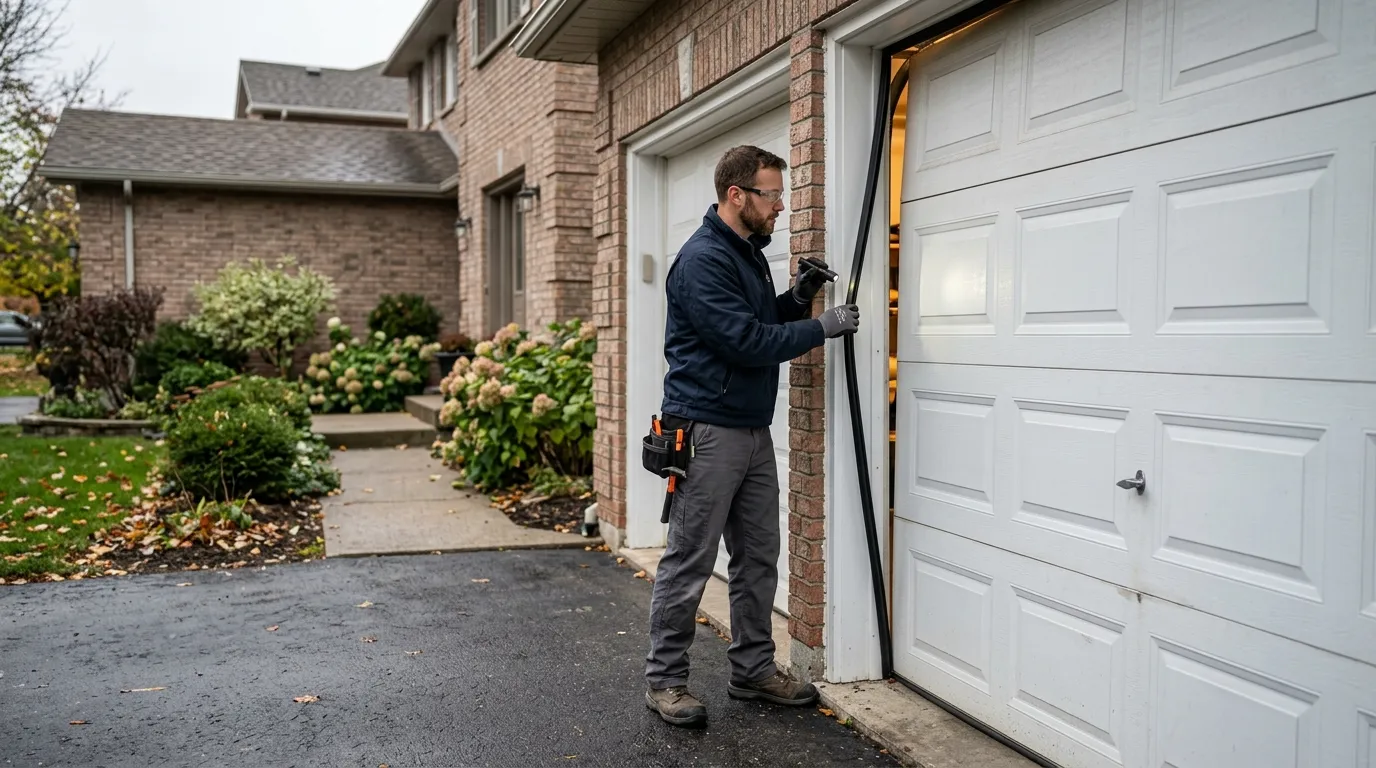
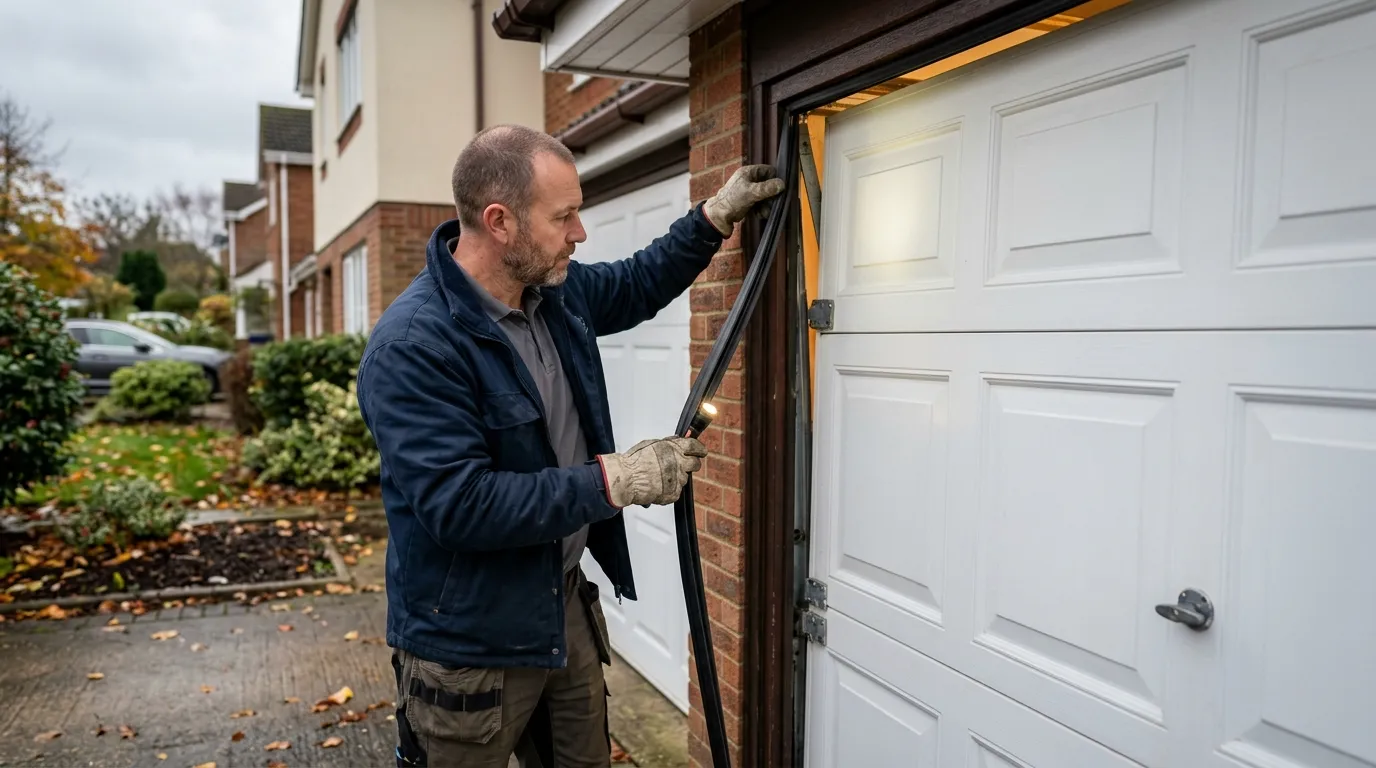
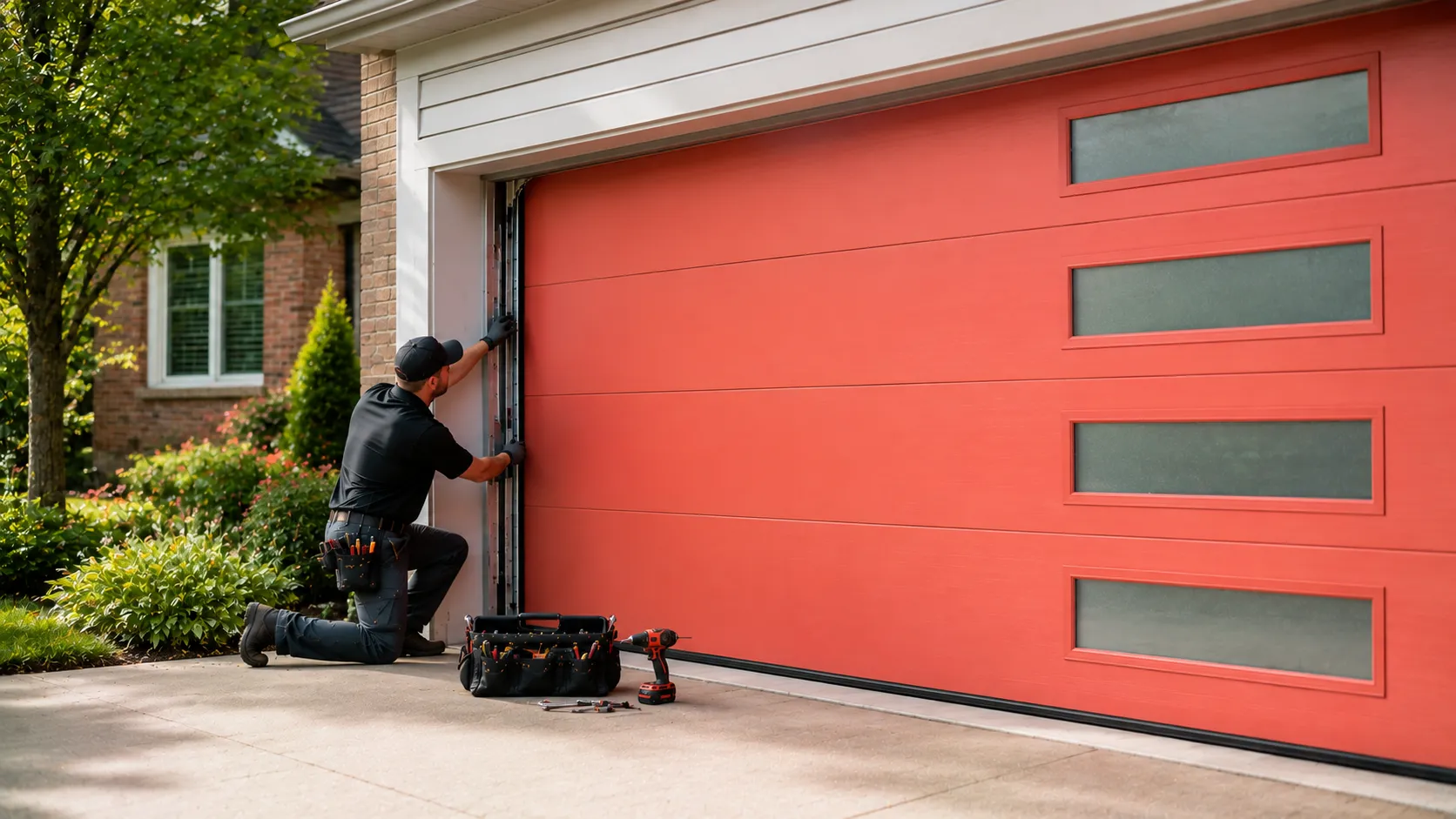
Because Berea is only four miles out, we don't need to block off a half-day just for travel - the crew can do a measure-and-quote visit and come back to install without losing the whole afternoon to the road. The install itself, once the door and hardware are on the truck, runs the same regardless of which suburb we're in: it's the opening prep that varies. Older Berea openings built around 1960 sometimes need the jamb squared or the header reinforced before a new door goes in, and that adds time we can't promise away. We'll tell you on the measure visit if that's likely, not after we've started cutting.
What the Repair Takes
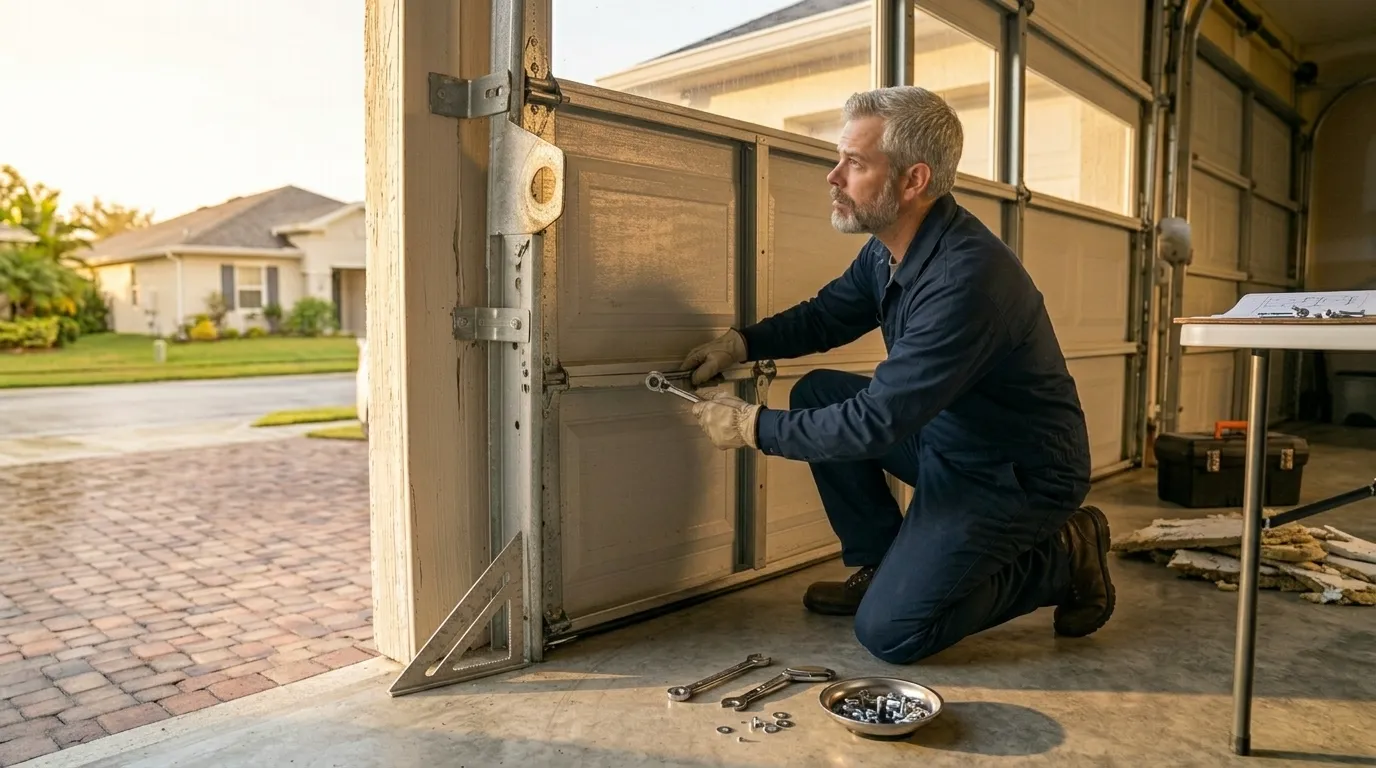
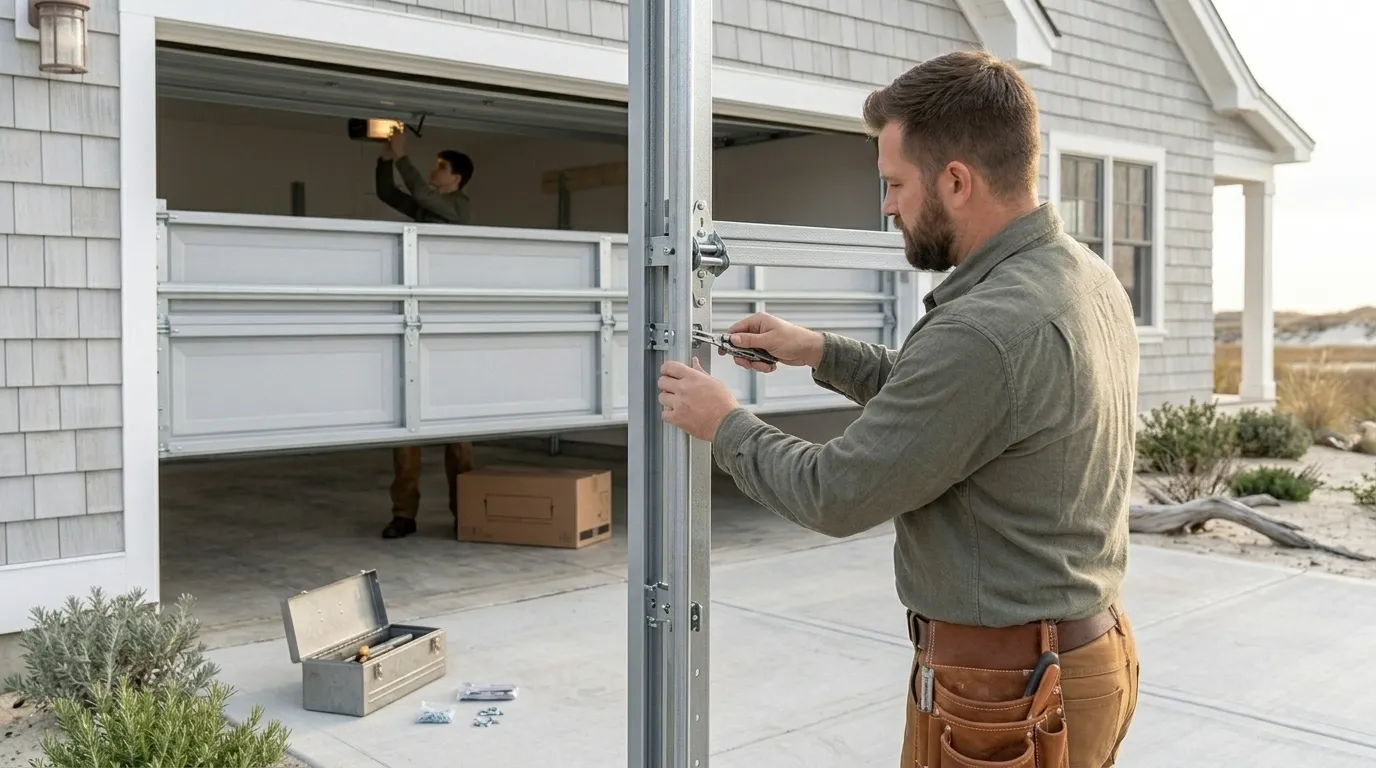
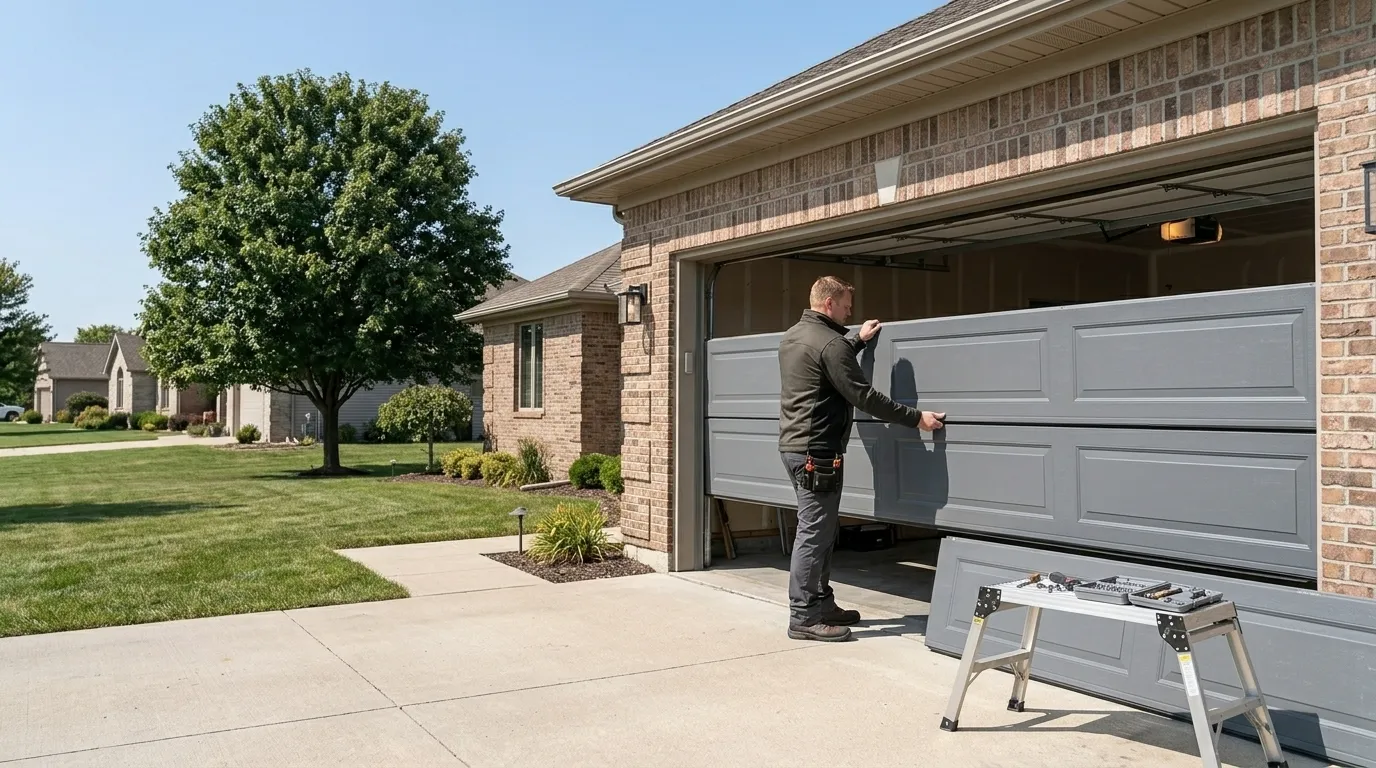
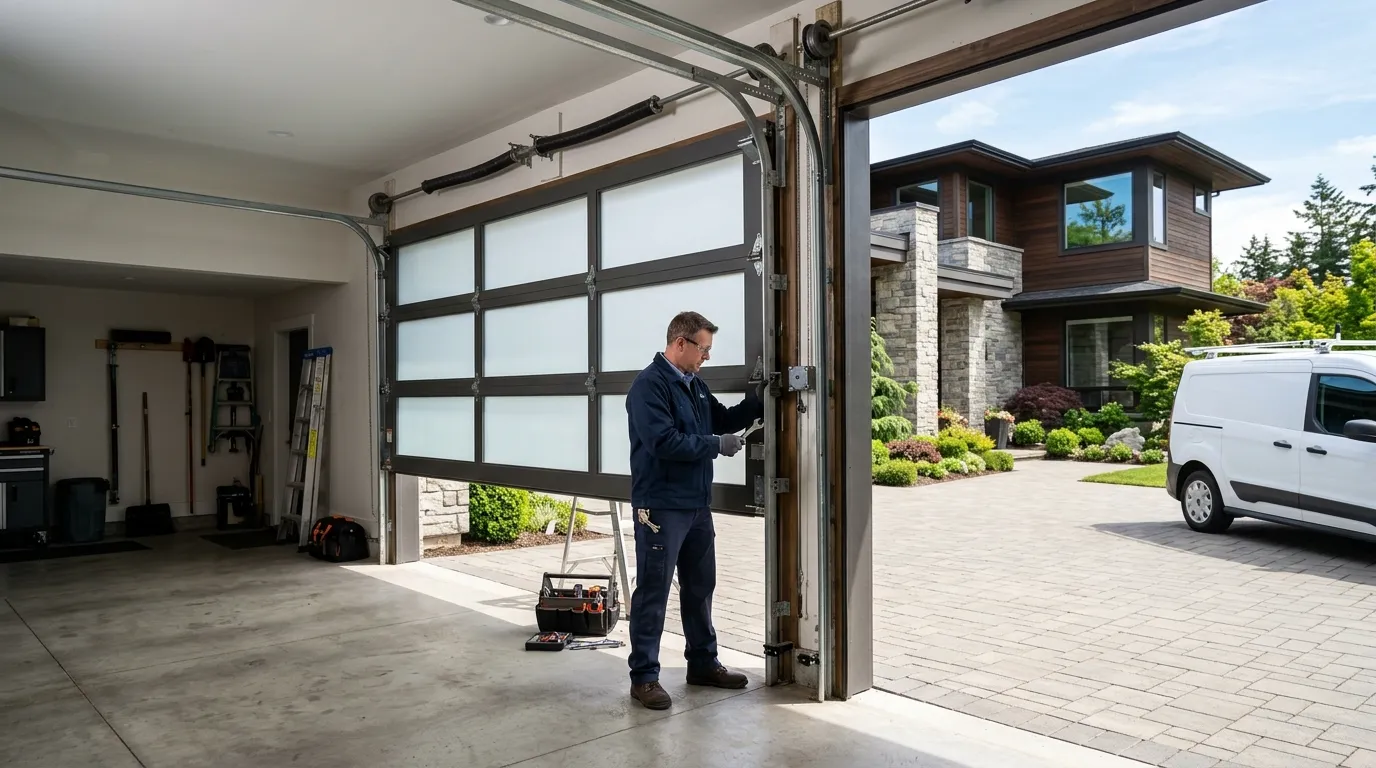
A new installation on a house from this era usually means pulling out original tracks and a torsion spring system sized for a lighter door than what's sold today, then rebuilding the header to carry a heavier insulated panel. In a cold, severe climate, we push insulated steel or composite doors over single-layer steel - the R-value difference shows up as a real utility bill number over a Northeast Ohio winter, not just a marketing line. We also check the header framing on anything from the 1960 era before assuming a standard track kit will bolt straight up; a lot of these openings were never built to modern width tolerances. One honest limit: if the framing is out of square by more than a small amount, that's a carpentry fix first, and we'll say so rather than force a door into an opening that will bind within a year.
What You Pay
We don't have a published price list to quote here, and pricing genuinely moves based on door size, insulation level, and how much header or jamb work an original-1960s opening needs - so we won't put a number on this page that isn't accurate to your house. What we can say is that Berea's median household income sits at $71,896, and most of the installs we scope in this price bracket land toward mid-tier insulated steel doors rather than premium wood-composite, simply because that's what the opening sizes and budgets in this area call for most often. Get a measure visit before you budget off any number you see elsewhere.
What Can Go Wrong
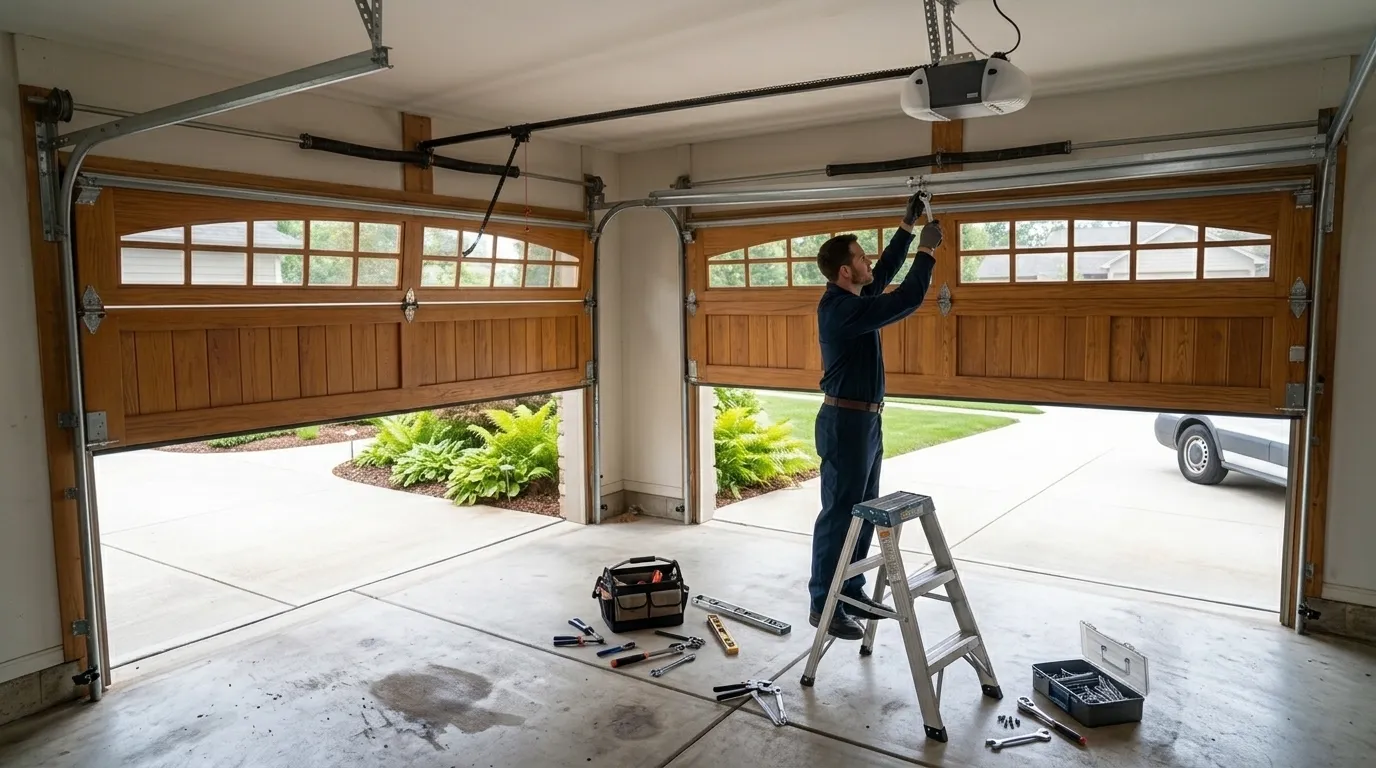
The most common surprise on a Berea install is a header that was built for a 1960s-weight door and can't take a heavier insulated panel without reinforcement - we catch this on the measure visit, but it sometimes means a return trip once the framing crew (not us) has done their part. Cold-climate swelling can also mean a jamb that measures true in summer and binds in January; we account for that when we size clearance, but a door installed without that allowance will stick every winter. Openers original to a 1960-era house often use a drive system that won't pair with a new door's weight rating, so plan on replacing the opener alongside the door rather than trying to save the old unit.