How Long It Takes
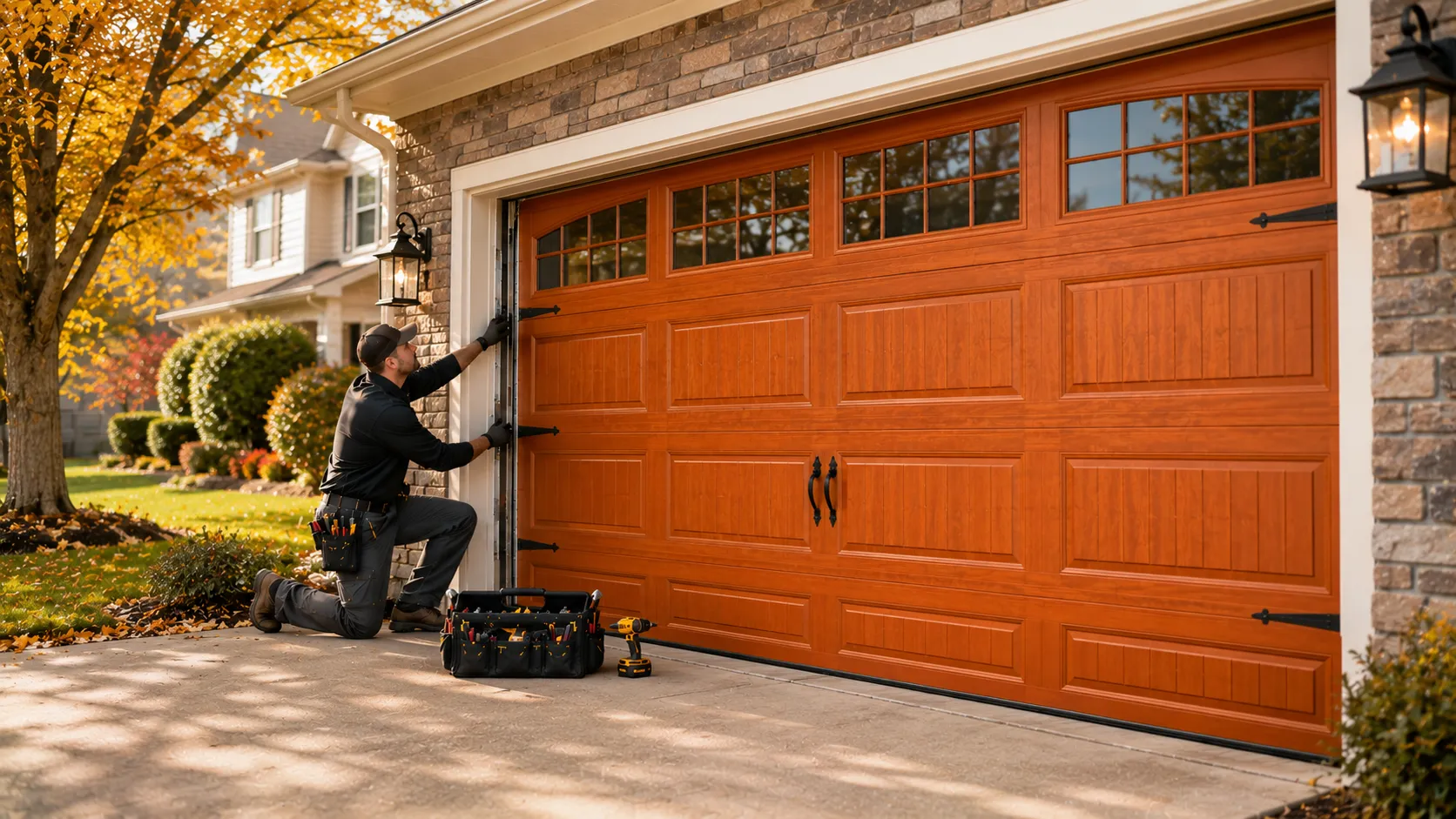
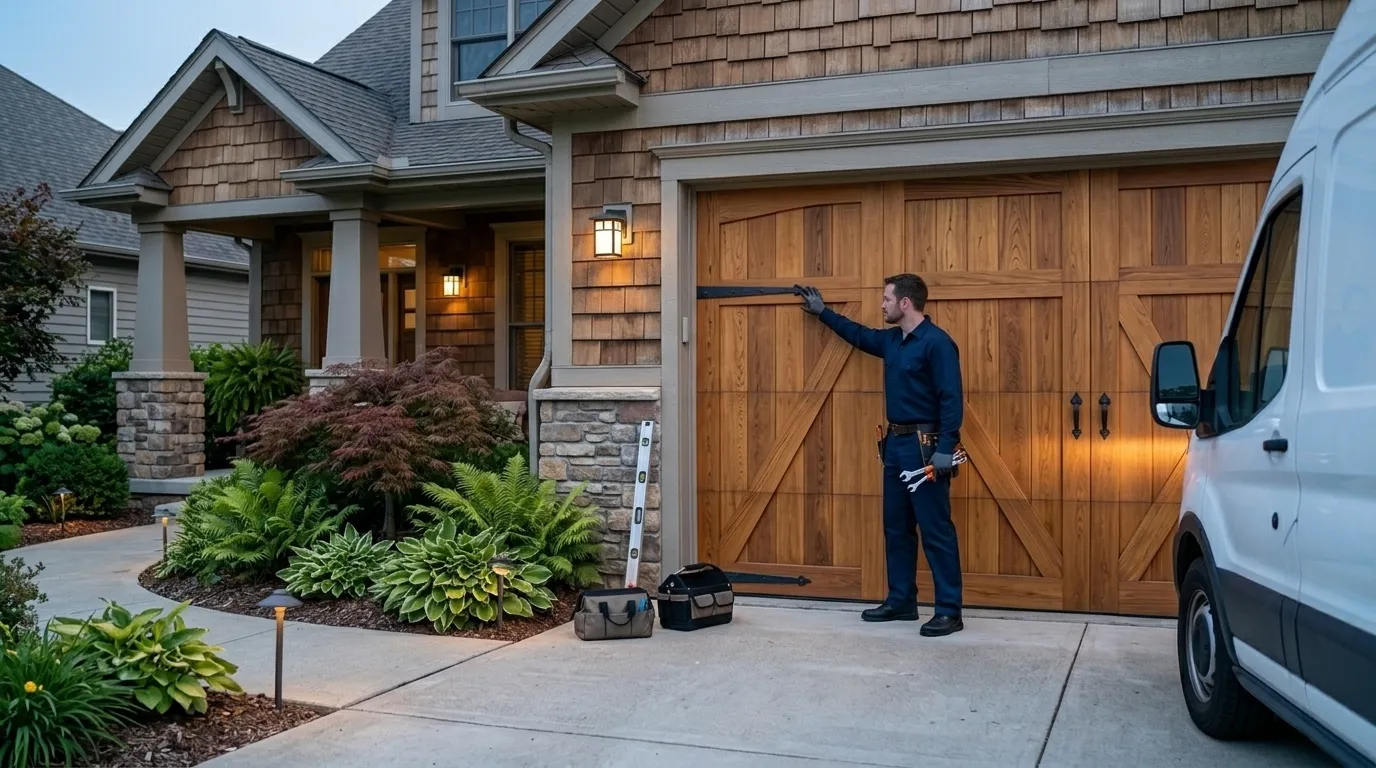
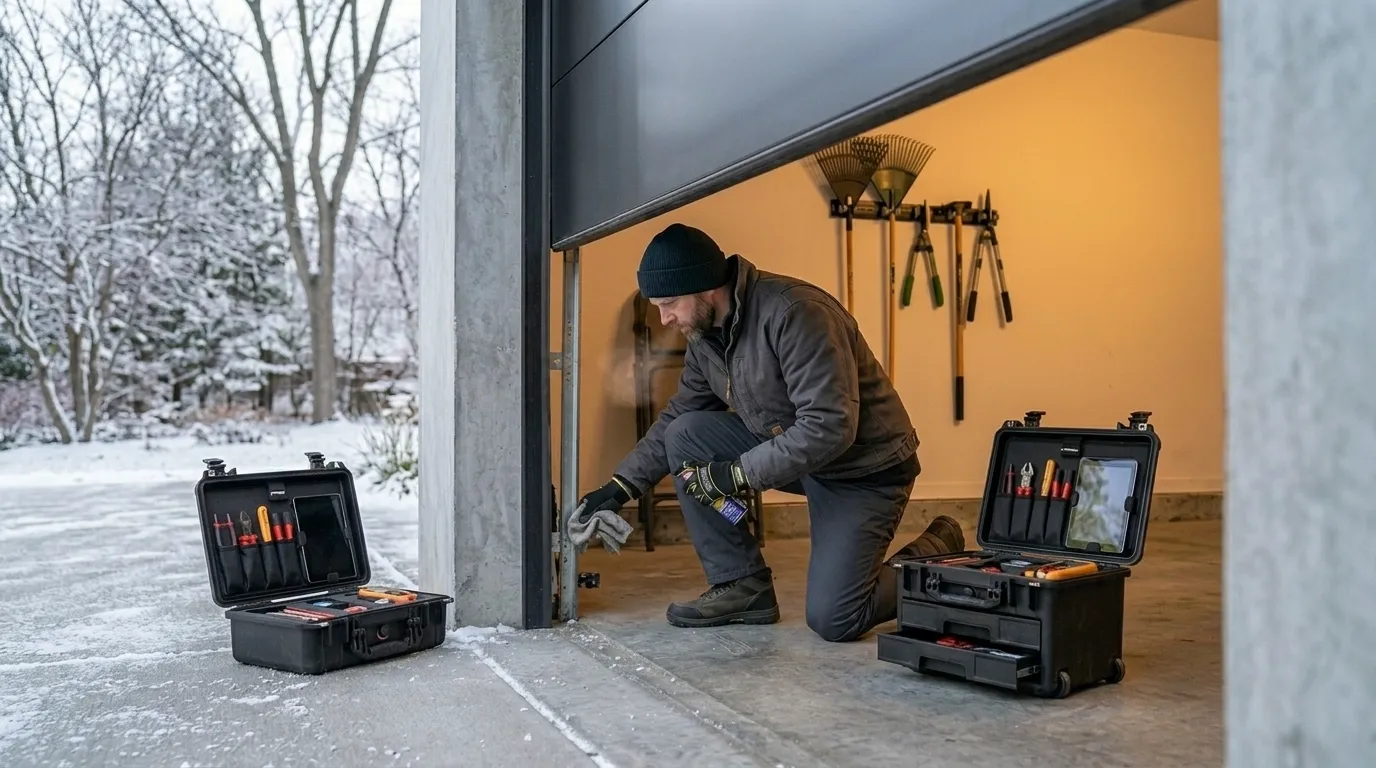
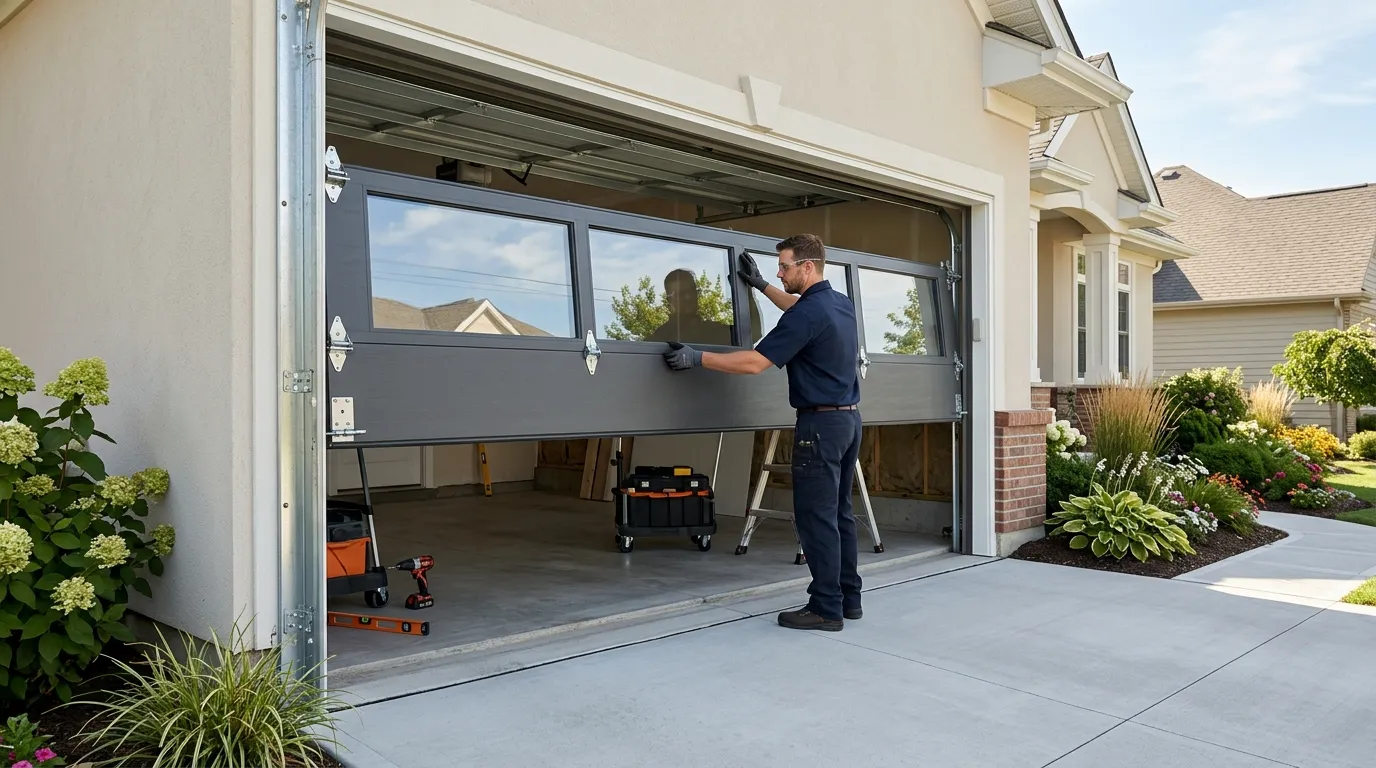
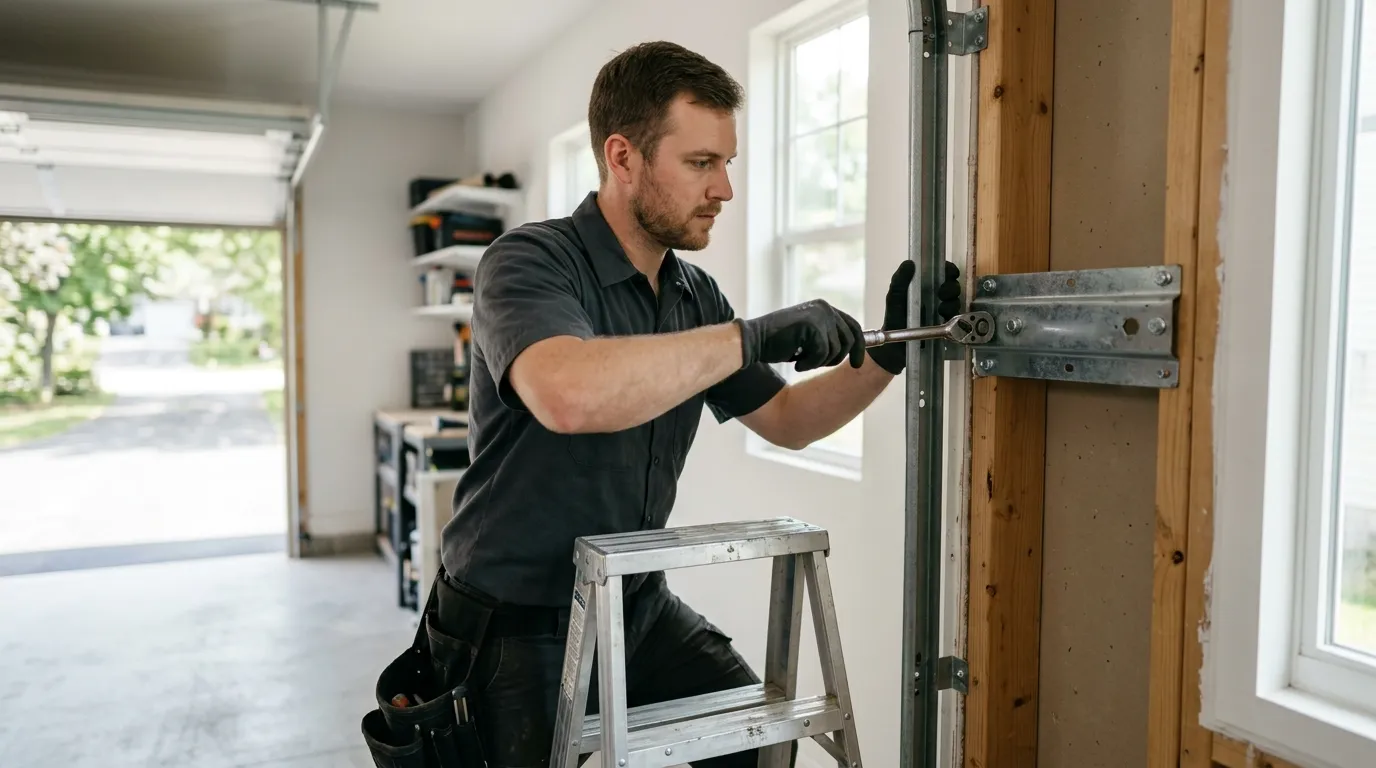
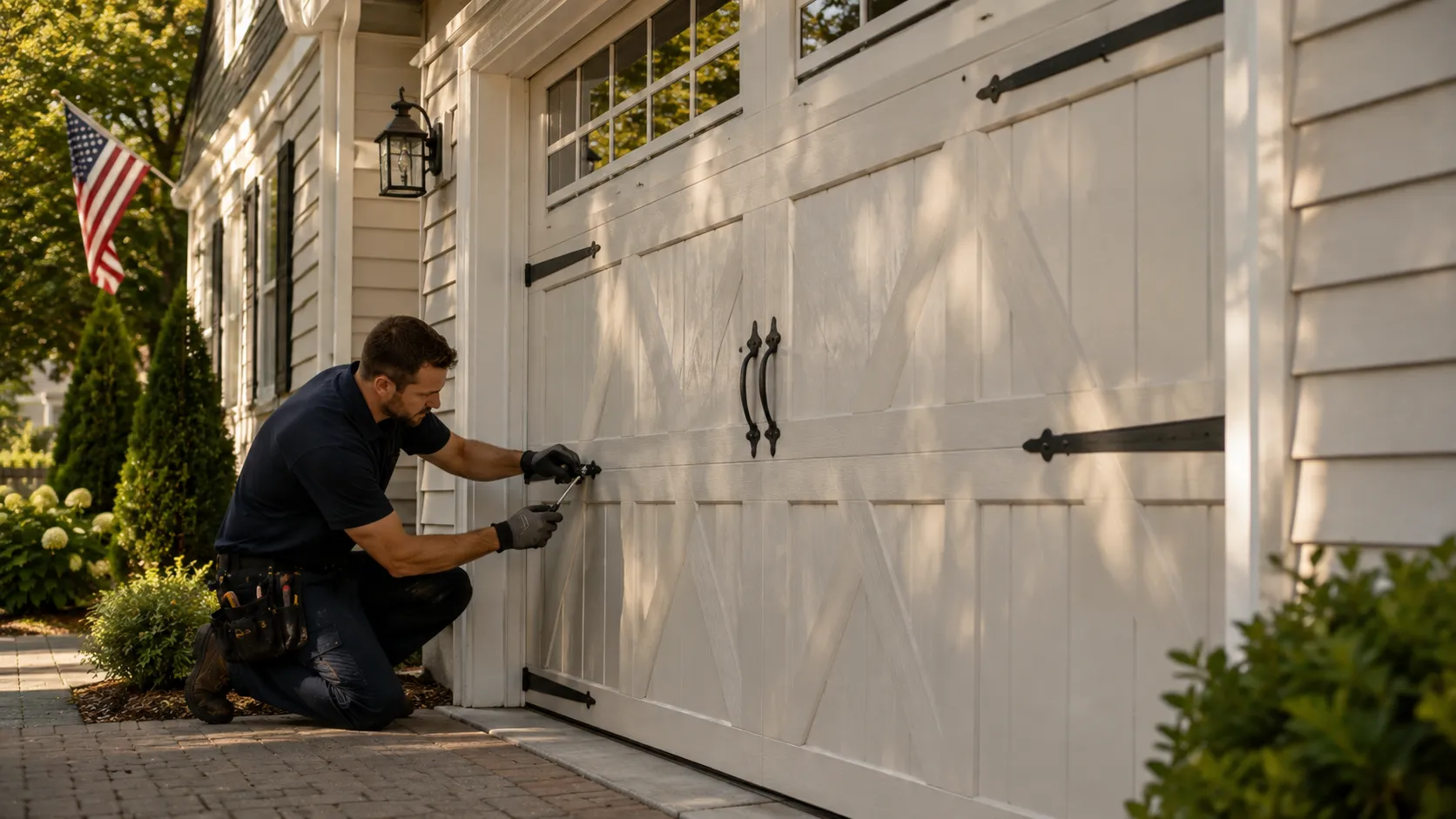
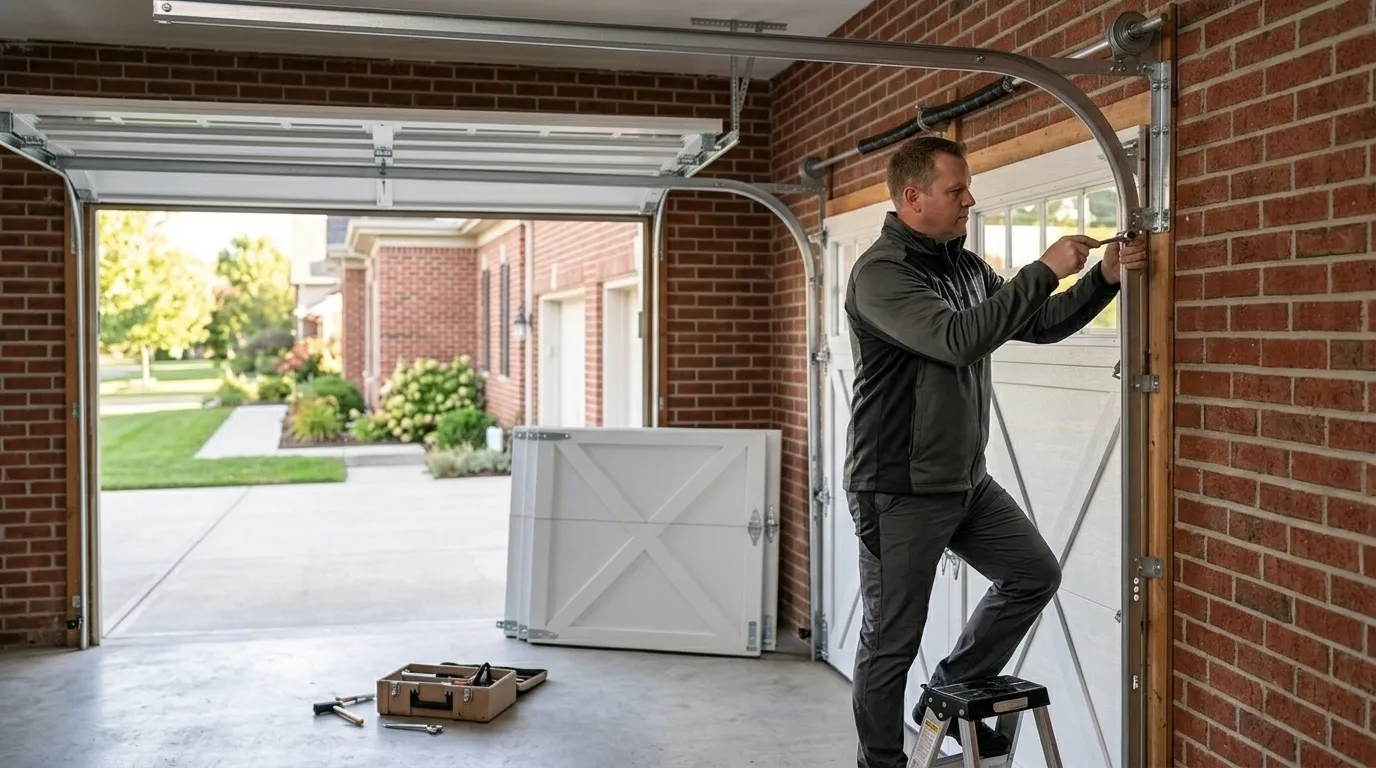
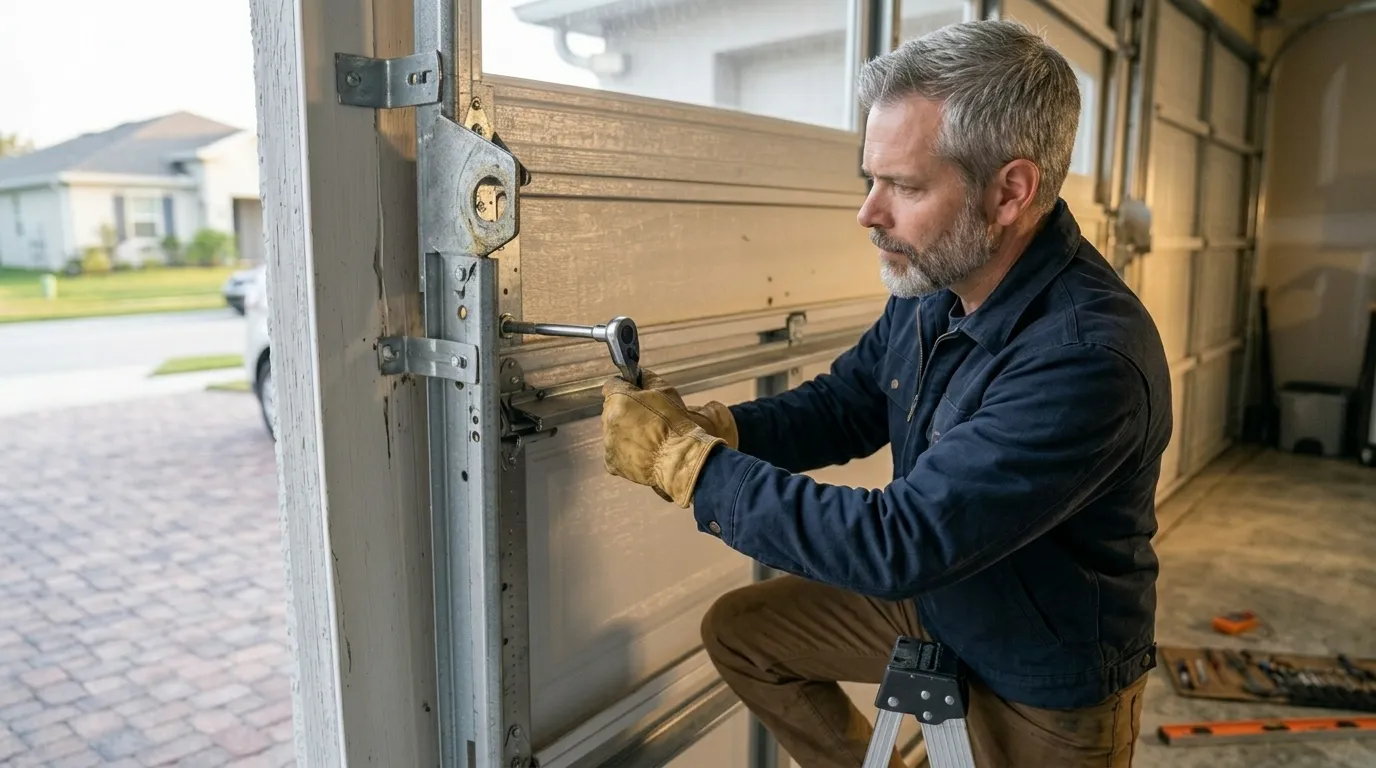
A standard maintenance visit runs the same checklist regardless of the house: springs, cables, rollers, track alignment, opener force and travel limits, and hardware fasteners. What changes visit to visit is how much of that checklist turns up something worth flagging. On a door dating to 1960, we tend to find more of the small stuff - a roller worn to the point of noise, a cable strand starting to fray, lubrication that's gone gummy from age rather than neglect.
We drive out from Strongsville, four miles to Berea, so travel isn't the bottleneck. What takes time is doing the check properly rather than rushing it, since a maintenance visit is the point where you catch a spring before it breaks, not after. If we find something that needs parts beyond what's on the truck, we'll say so and quote the return trip rather than pad the first visit.
What the Repair Takes
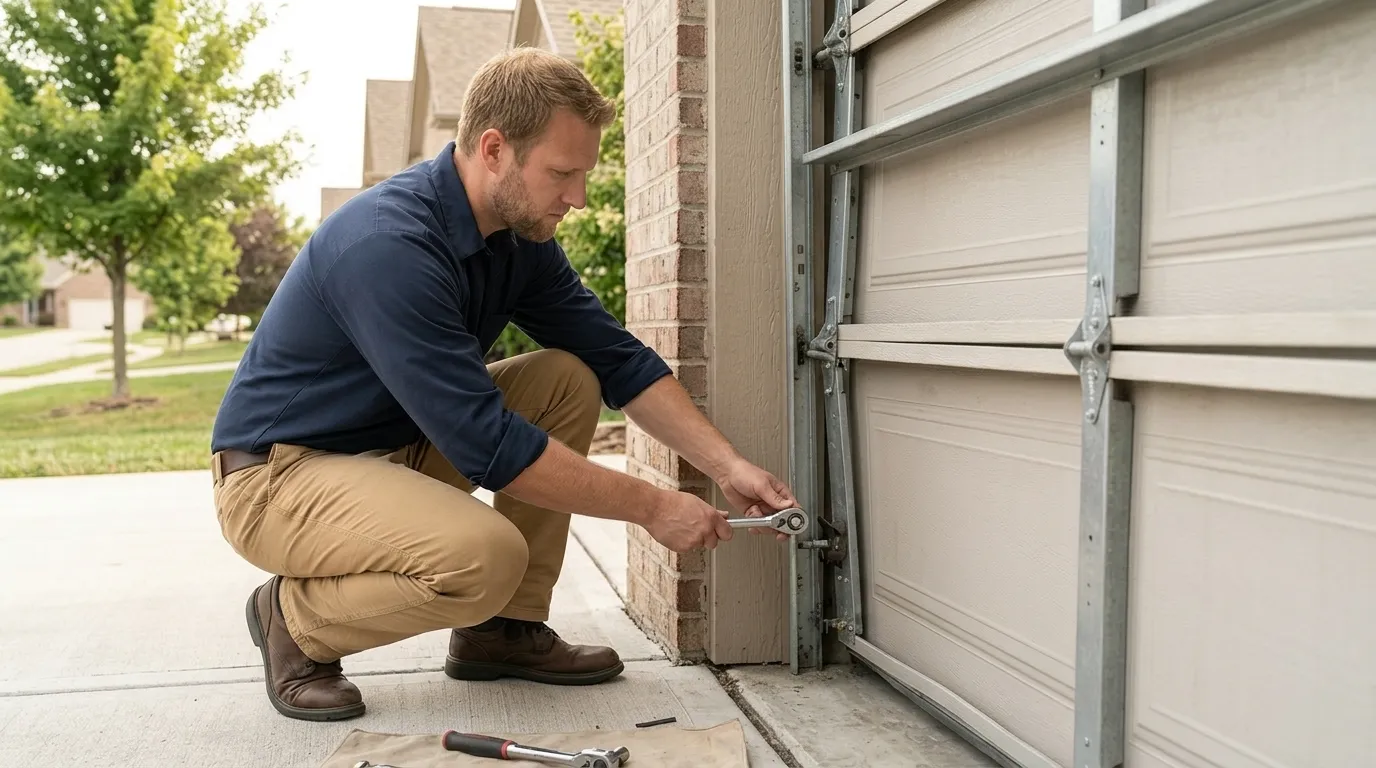
Most maintenance-stage fixes in Berea are small: a roller swap, a track adjustment, resetting opener travel limits, replacing a worn cable before it lets go. These don't require ordering anything unusual, and they're the reason a maintenance visit costs a fraction of an emergency repair call.
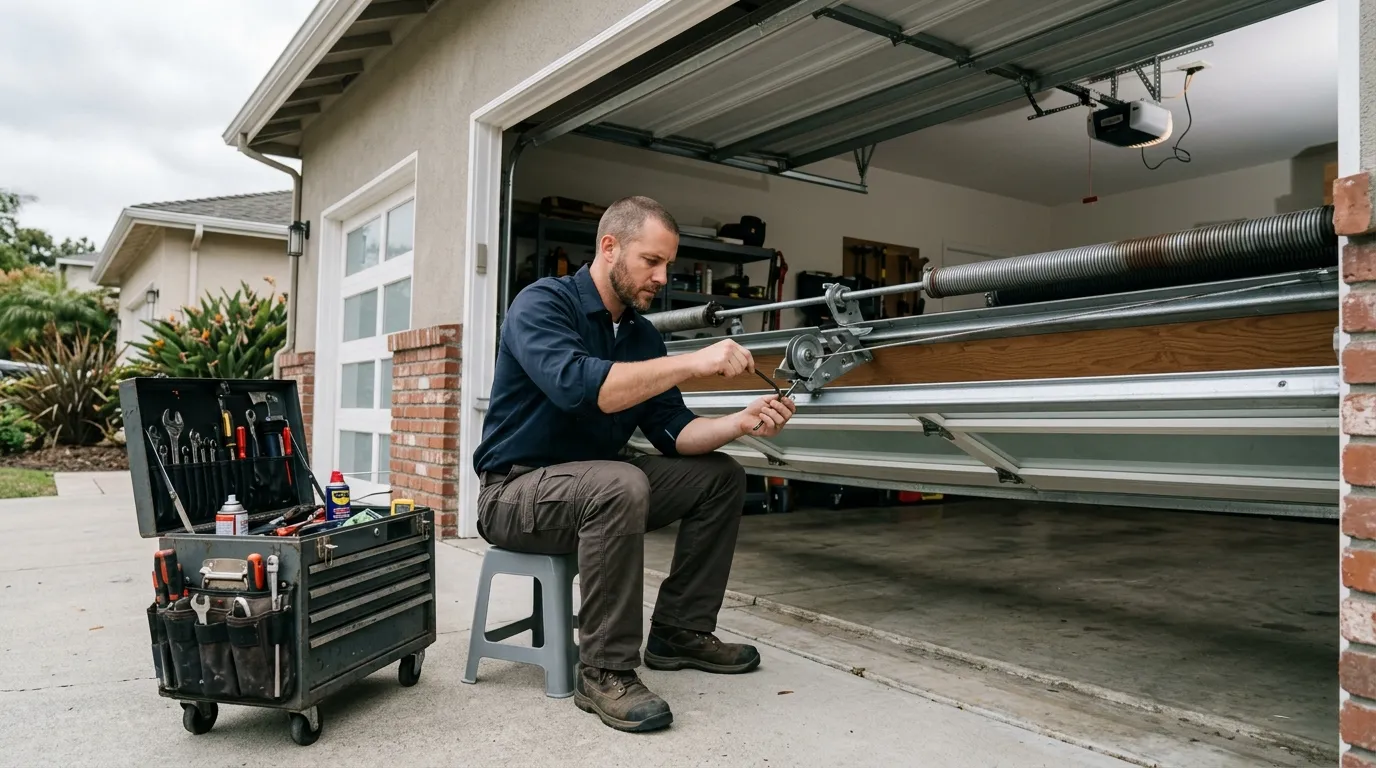
Where it gets more involved is torsion springs. A door built around 1960 has had six decades of open-close cycles on its original hardware if nobody's touched it, and a spring that's near the end of its life doesn't always announce itself before it snaps. That's not a scare line - it's the actual failure mode maintenance is meant to catch early, cheaply, on a schedule rather than at 6 a.m. with the car stuck inside.
Here's the honest limit: if a door's track is bent enough, or the opener is old enough that parts aren't stocked anymore, maintenance won't fix that. At that point we'll tell you it's a replacement conversation, not keep billing small repairs against a door that's past the point where they help.
What You Pay
We don't have a published flat rate to list here, and we're not going to invent one. What we can tell you is how the decision usually shakes out in Berea specifically: with a median household income of $71,896 against a service-area median of $92,639, a full door replacement is a bigger stretch here than it is in some of the towns we also cover, and maintenance that extends the life of the existing door tends to make more financial sense for more households in Berea than in wealthier parts of the territory.
That $20,743 gap between Berea's median and the wider area's is the reason we lead with the repair option here rather than the upsell. It's not charity - it's just what the numbers on the ground support. If your door is genuinely past saving, we'll say that too, but we won't push replacement as the default when a maintenance visit and a repair will get you another several years out of a door that's already most of the way to sixty-five years old.
What Can Go Wrong
The main risk with an older door in Berea isn't catastrophic failure, it's deferred maintenance compounding into a repair that costs more than it needed to. A cable that fails mid-cycle can bend a track. A spring that snaps under tension can damage the section it's attached to. None of that is inevitable - it's what a maintenance visit exists to catch before it happens.
The other thing worth naming plainly: Berea has 6,995 households, and a good share of those sit on original 1960s-era hardware that's simply reached the end of its service life through age rather than misuse. There's no fixing that with a tune-up. When a door's parts are worn past the point maintenance can address, replacement is the honest answer, and we'd rather tell you that at the maintenance visit than let you keep paying for repairs on a door that's done.