What Can Go Wrong
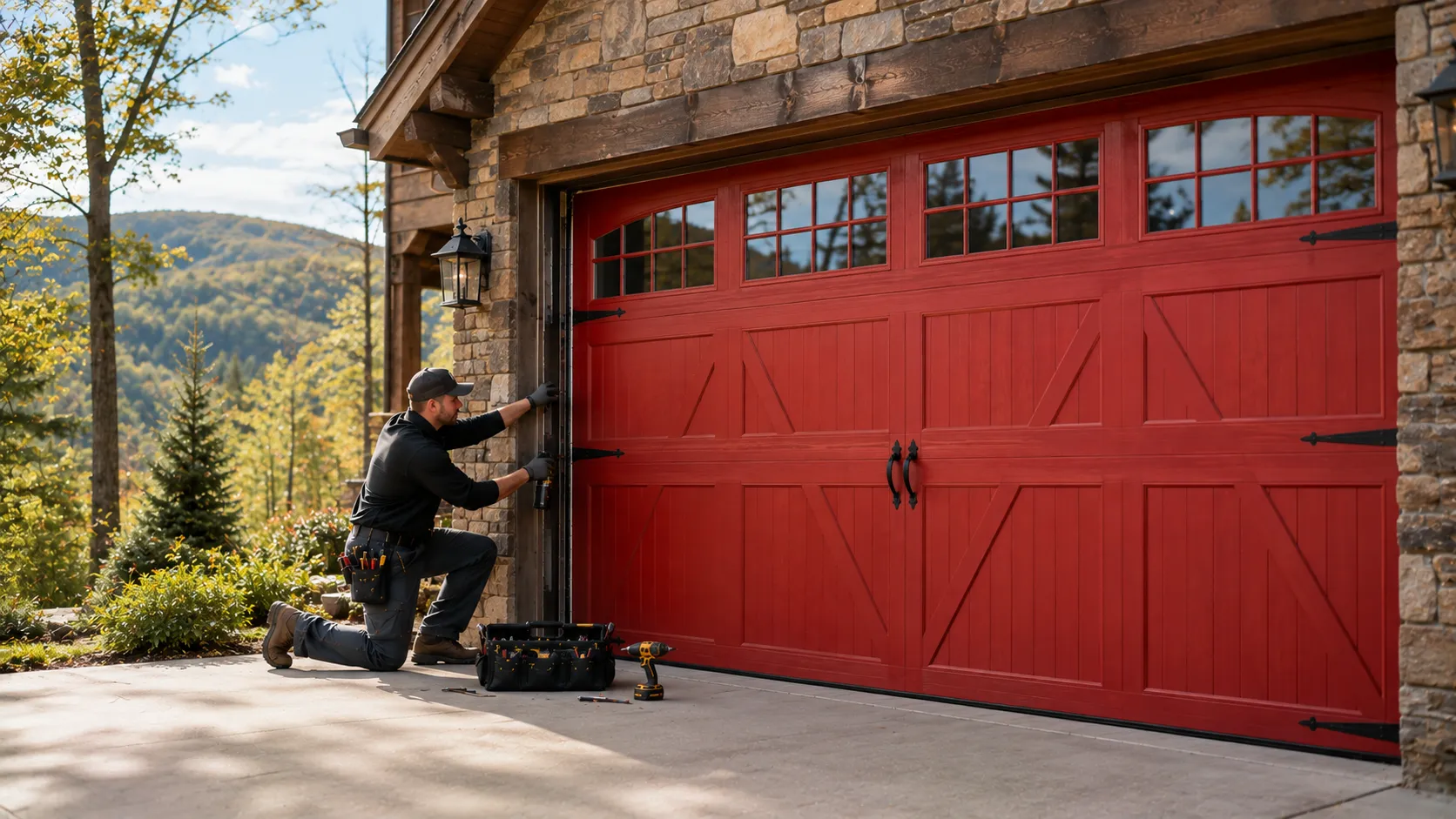
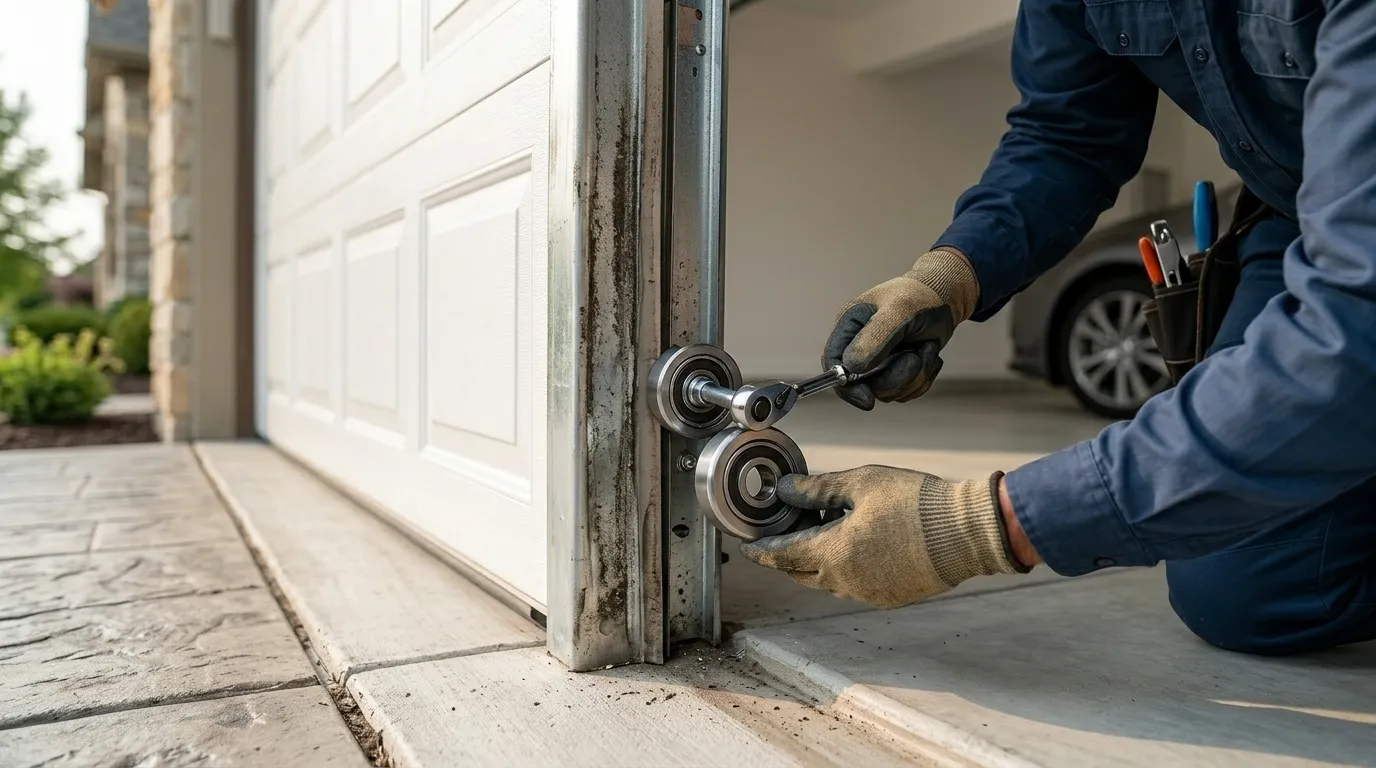
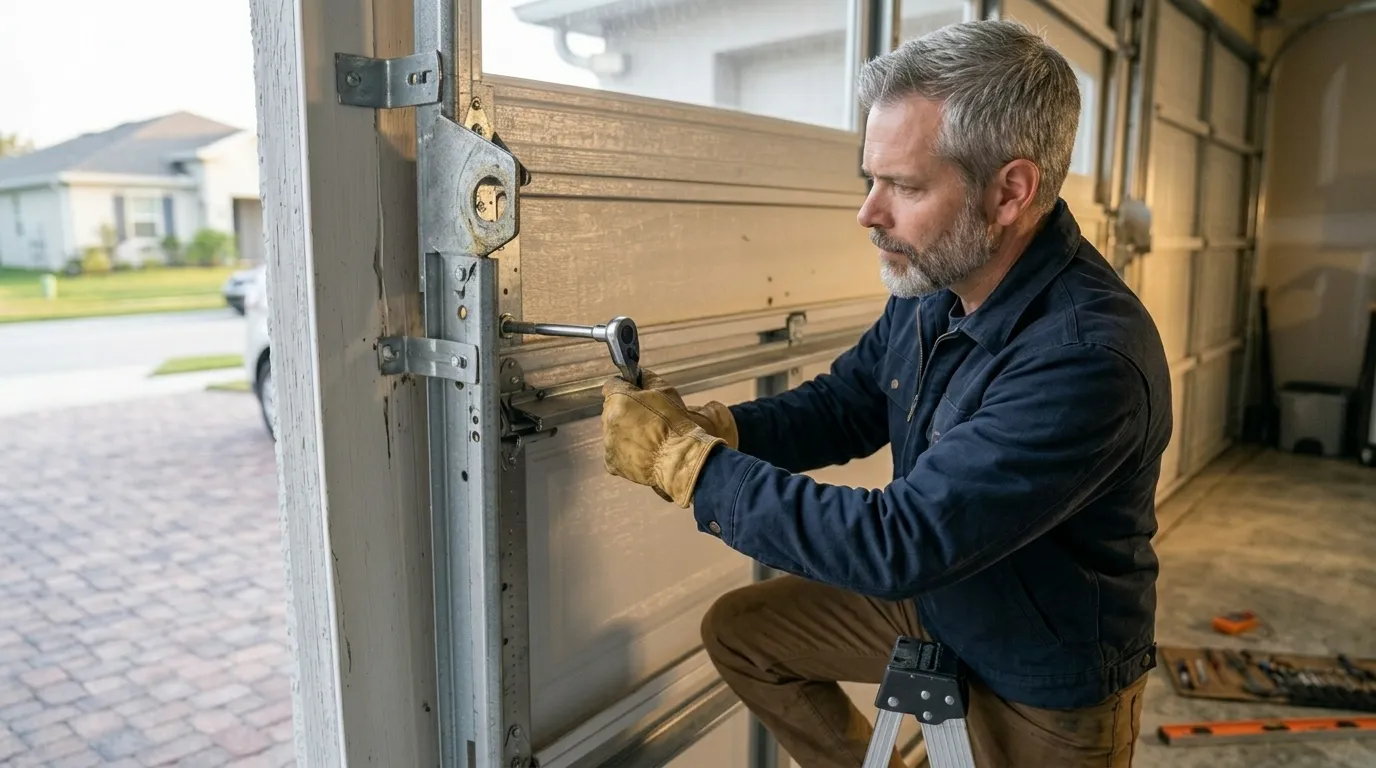
On a commercial door that opens dozens of times a day, the first thing to fail is usually the torsion spring. It's rated in cycles, not years, and a busy loading dock burns through those cycles faster than a homeowner's door ever will. Rollers wear out and start binding in the track, especially on doors that have seen forklift or hand-truck traffic near the bottom panel. Chain hoist and jackshaft operators develop worn sprockets or slipping clutches after years of steady use. Cold winters put extra strain on spring steel and hardened lubricant, which is part of why we see more spring failures here in January than July. Panel damage from a delivery truck backing in wrong, or a forklift catching a bottom section, is common enough that we carry replacement sections rather than always needing a full-door order. Photo-eye sensors get knocked out of alignment by dust and vibration on a working dock and cause a door that won't close even when nothing else is wrong.
Can You Do This Yourself
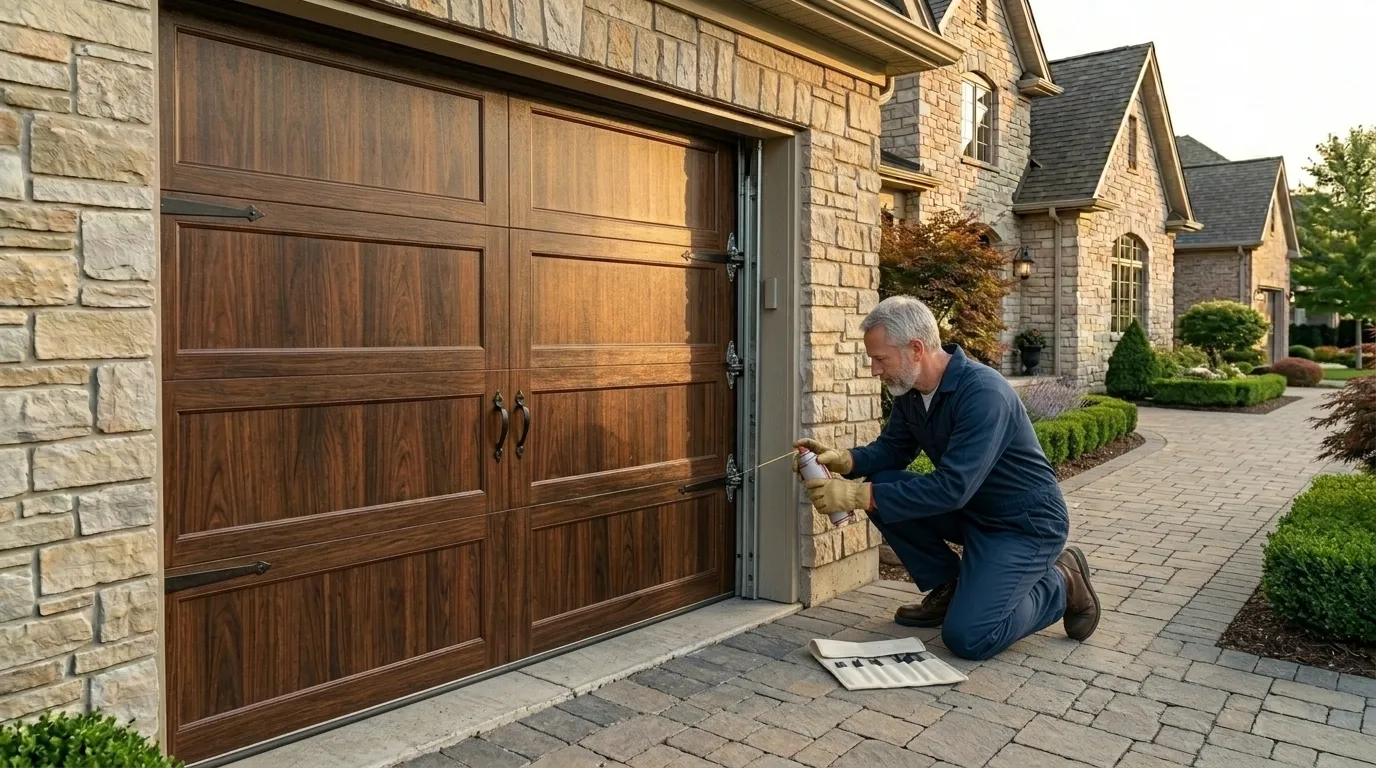
Some of this is fine to handle without calling anyone. Lubricating rollers and hinges, clearing debris from photo-eye sensors, and tightening loose bolts on track brackets are jobs most facility staff can do safely. A torsion spring on a commercial door is a different matter - the spring on a typical commercial bay door carries far more stored tension than a residential door spring, and the tools for winding it safely aren't something most maintenance crews keep on hand. We won't talk anyone through a spring job over the phone. If your operator is tripping breakers, grinding, or the door is coming off track, that's also a call-us job rather than a troubleshoot-it-yourself one. The honest limit here: we travel from Strongsville, so we're not able to walk over and take a quick look the way a business a few blocks from our shop might get. Plan ahead for anything that isn't an emergency, because the drive is part of the job.
What You Pay
We don't post commercial pricing here because it depends on door size, spring cycle rating, and whether the job is a repair or a full replacement - a torsion spring swap on a single bay door isn't priced the same as replacing a chain hoist operator on a double-wide dock door. What we can tell you: Westlake's median household income runs well above the $92,639 median across the wider service area we cover, and with 14,574 households here, buildings tend to be newer, built mostly after 1983 rather than in the 1960s stock common elsewhere, so parts availability for standard steel sectional hardware is usually straightforward rather than a special order. We quote on-site once we've seen the door and the operator, not over the phone.
What the Repair Takes
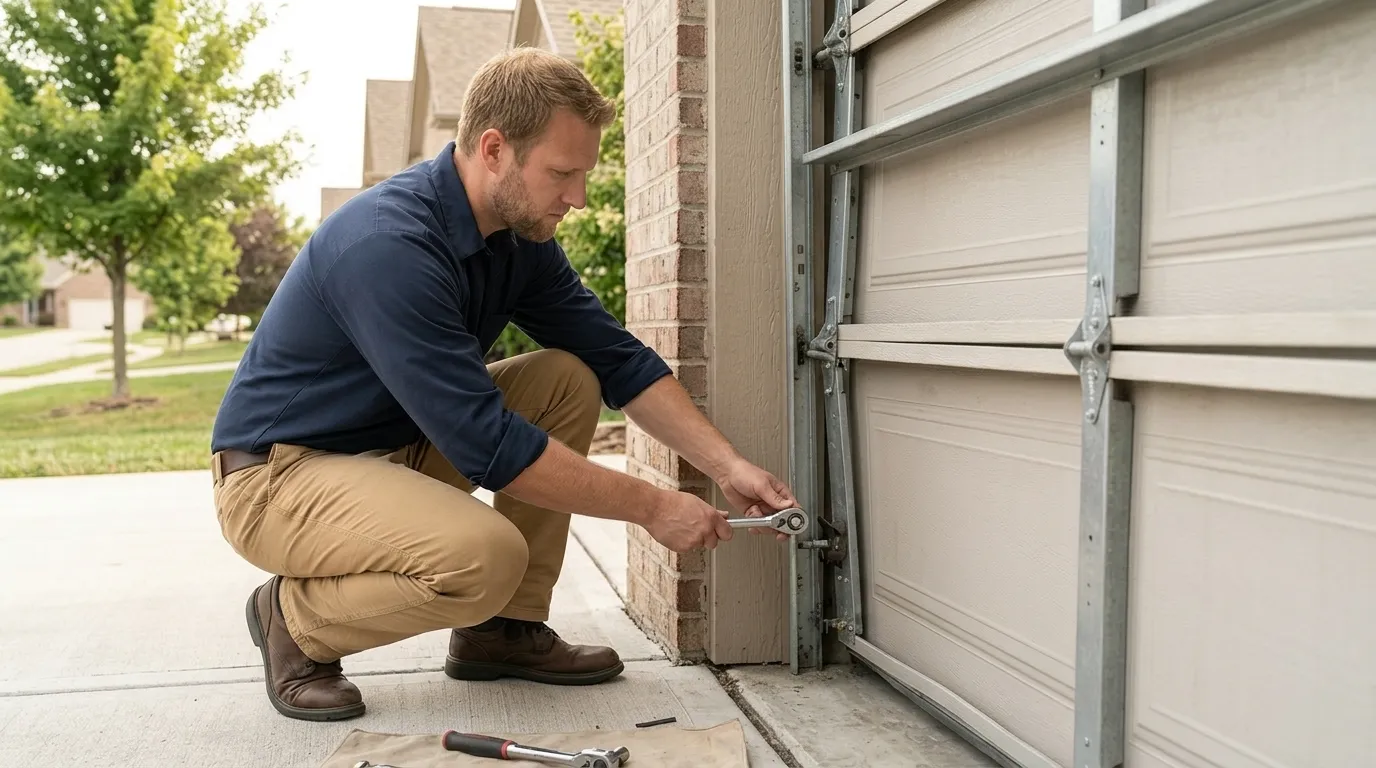
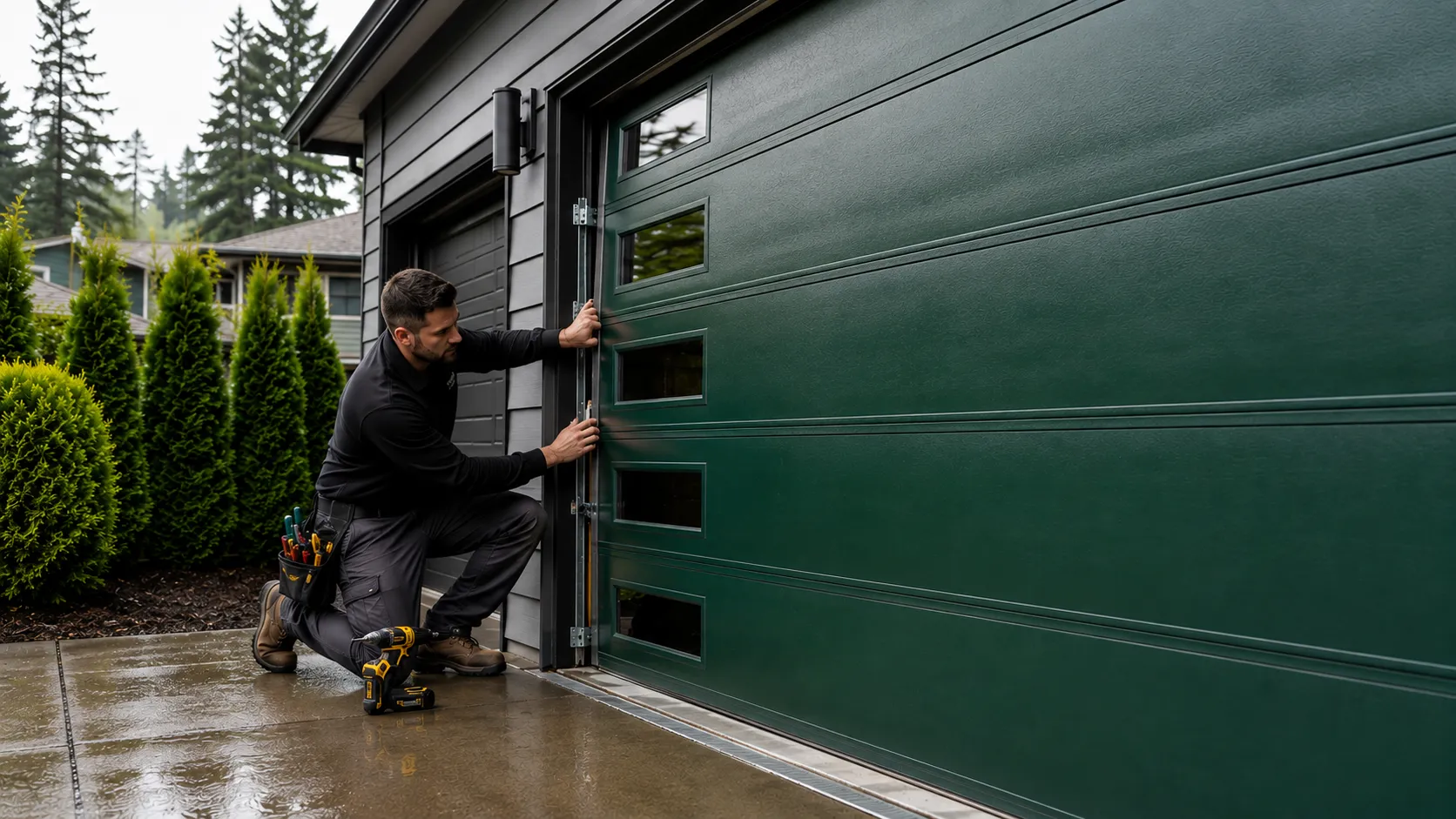
Most spring and roller jobs on a commercial door finish in one visit once we're on-site, since standard torsion springs and sectional panels for doors built in the 1983-and-later range aren't unusual parts. Chain hoist operator repairs typically go the same way. Where it slows down is anything outside standard sizing - a wider-than-usual dock door, or an operator brand we need to special-order a part for - and that can mean a second trip once the part arrives. Because we're driving in from Strongsville rather than working out of a Westlake location, we plan the visit around having the right spring and hardware in the truck before we leave, which is why the details you give us on the phone matter. We don't keep a branch in Westlake, so a same-day emergency call may need to wait for the next available slot rather than getting an instant response.