What Can Go Wrong
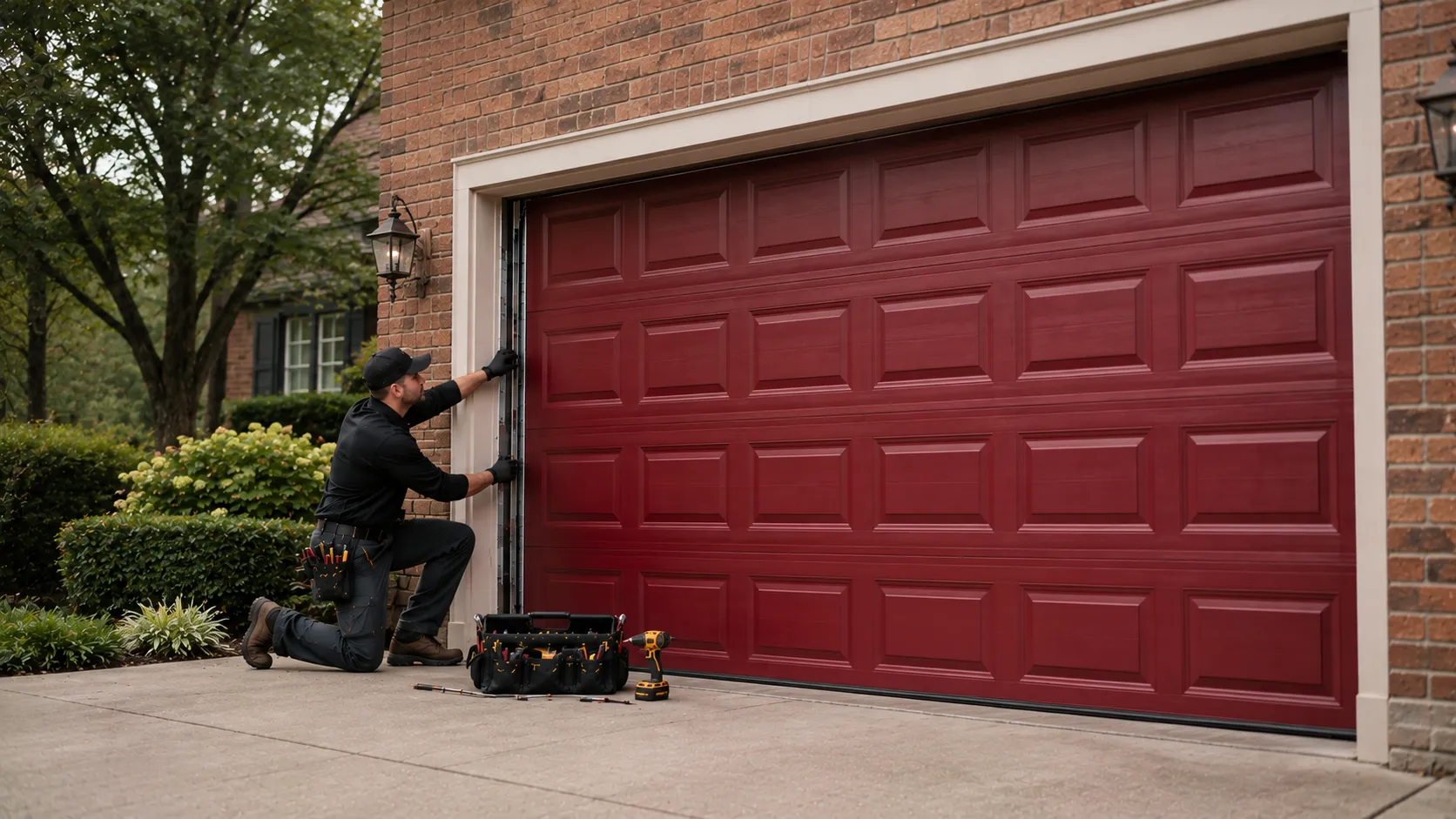
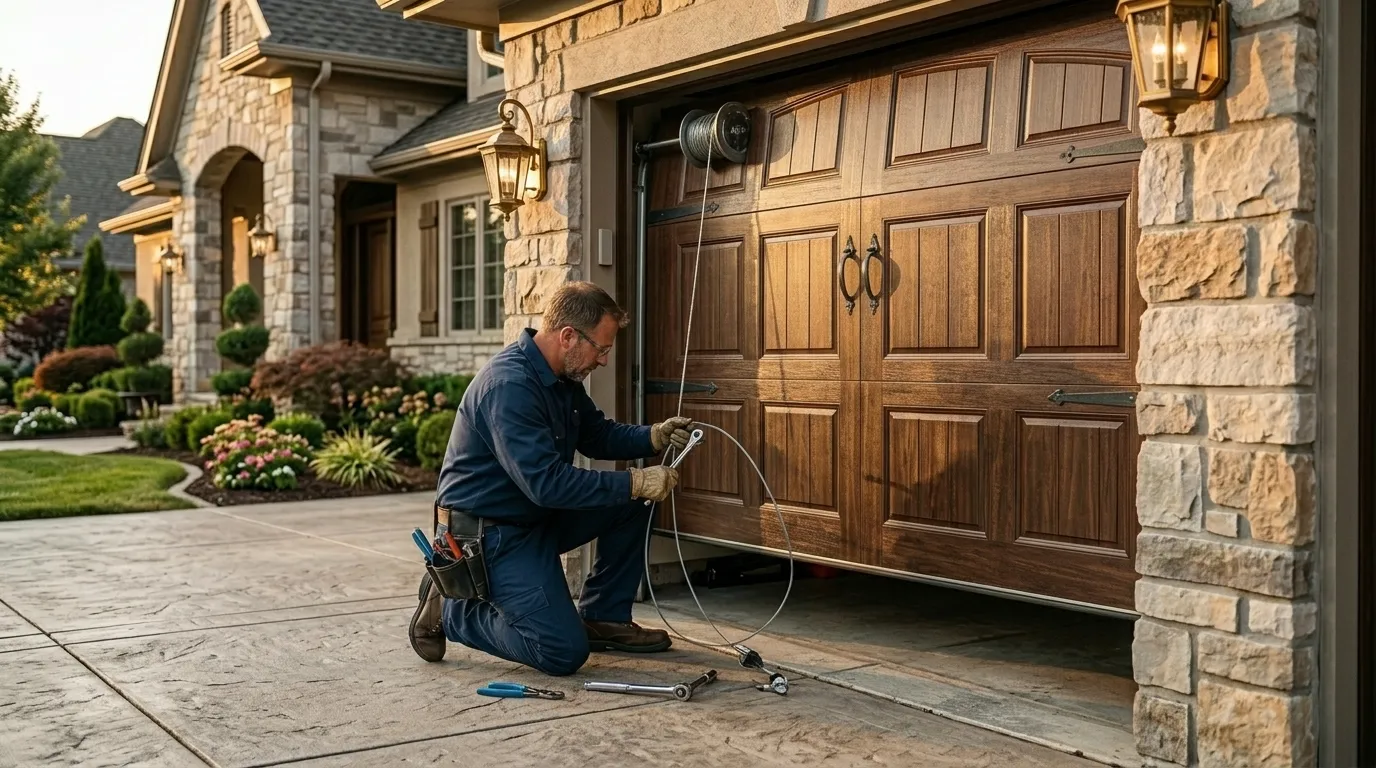
Given the 1983 median build year, the failure we see most in Westlake isn't the ancient side-mounted torsion hardware you'd find in older suburbs - it's openers and springs simply reaching the end of a normal service life at the same time, because so many houses on a given street went up within a few years of each other. When one garage door starts grinding or the spring goes on a house built in '83, the neighbor's built the same year is often close behind.
Cold-climate stress (this whole service area sits in a severe cold band) hits steel doors and their hardware hard. Panels flex more in sub-freezing temps, cables lose tension faster, and nylon rollers crack. Openers with aging capacitors struggle to start on the coldest mornings - that's a classic January service call.
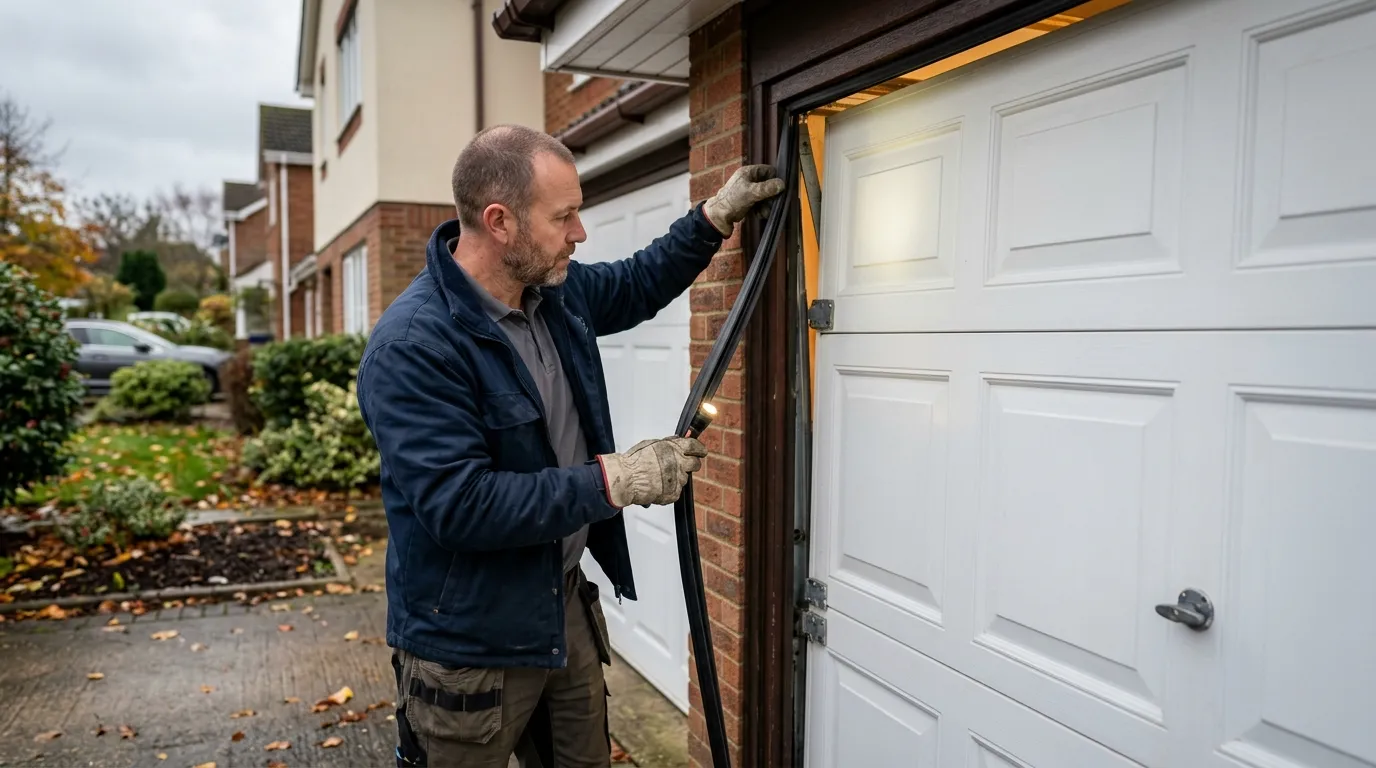
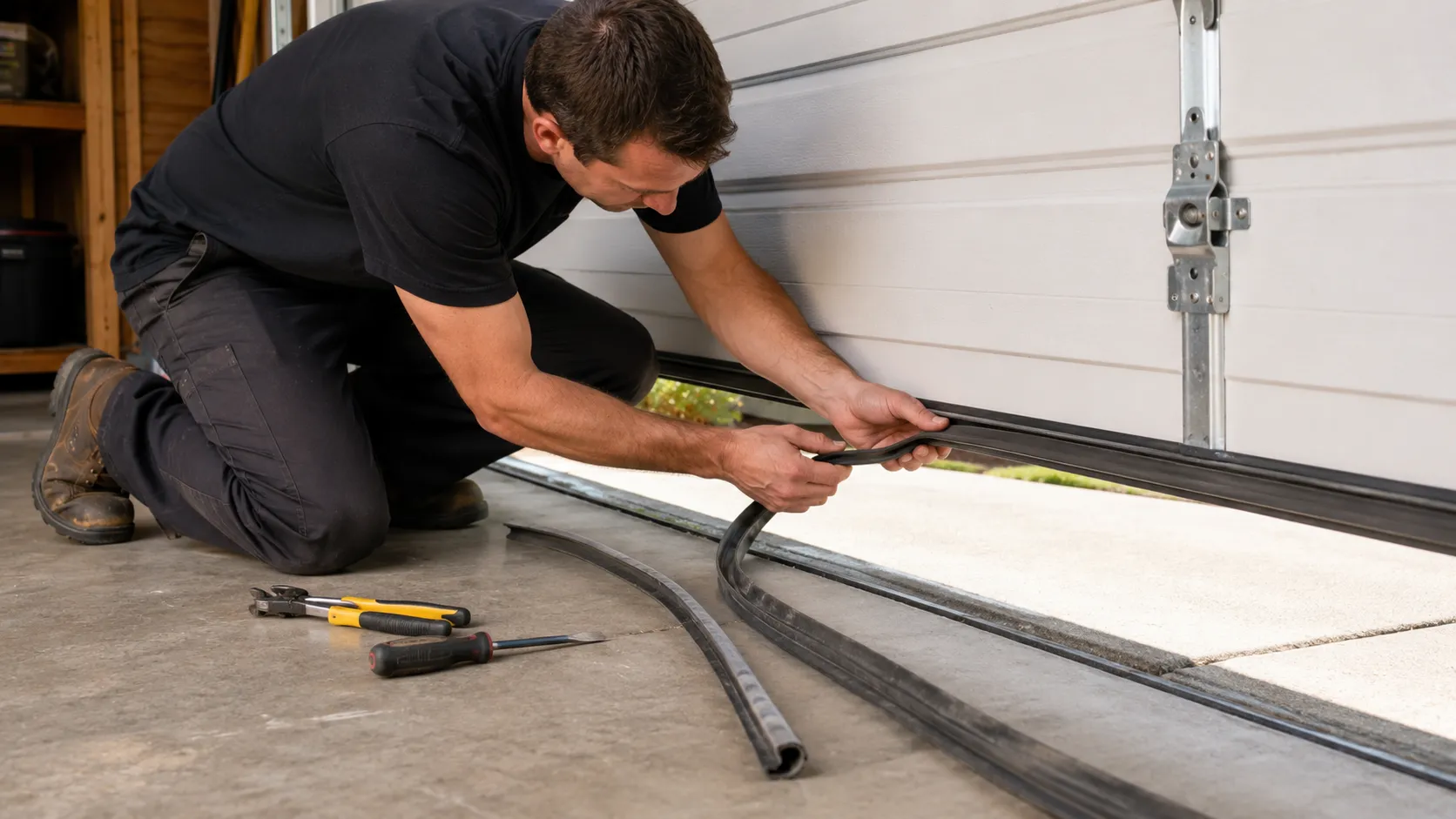
We also see broken extension springs on older double-car doors where the original hardware was never upgraded to torsion, and worn weatherstripping that lets in enough cold air to freeze condensation on the track.
Can You Do This Yourself
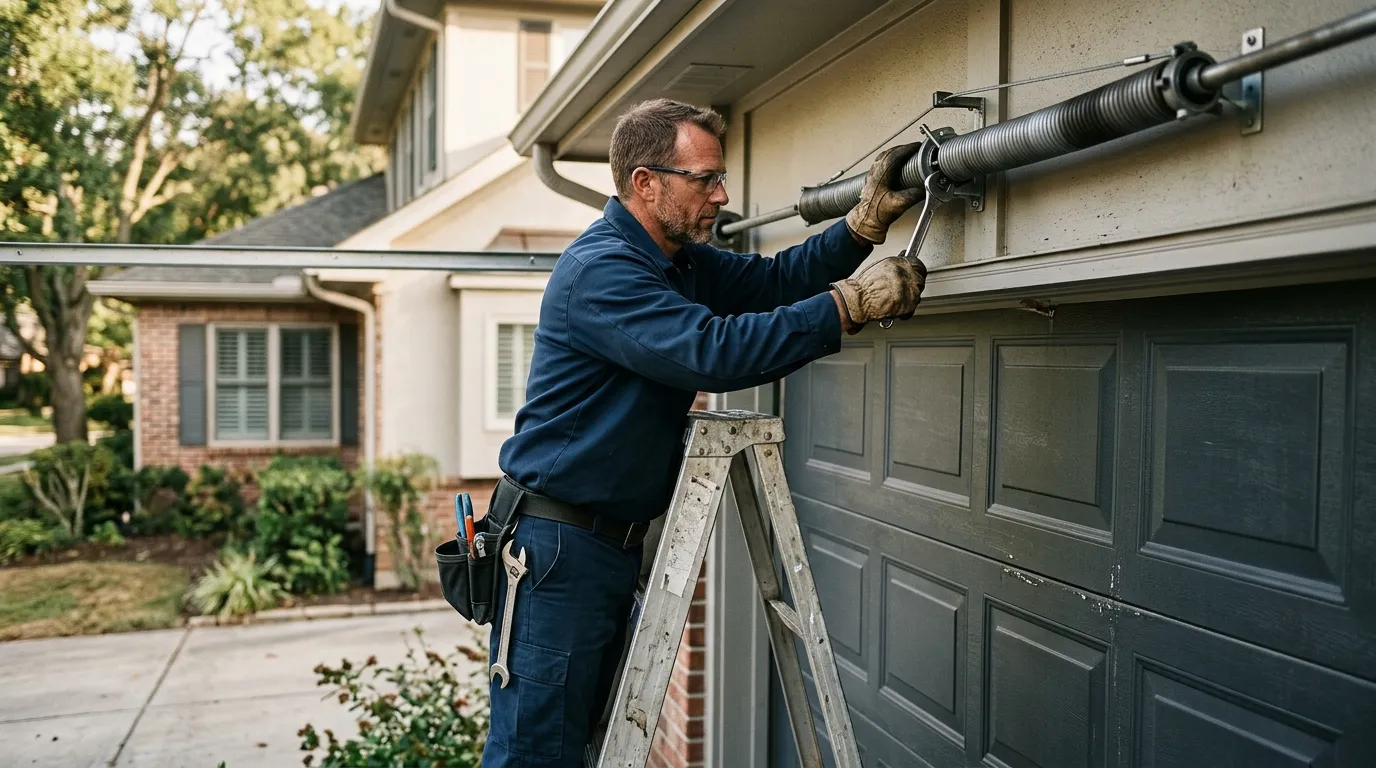
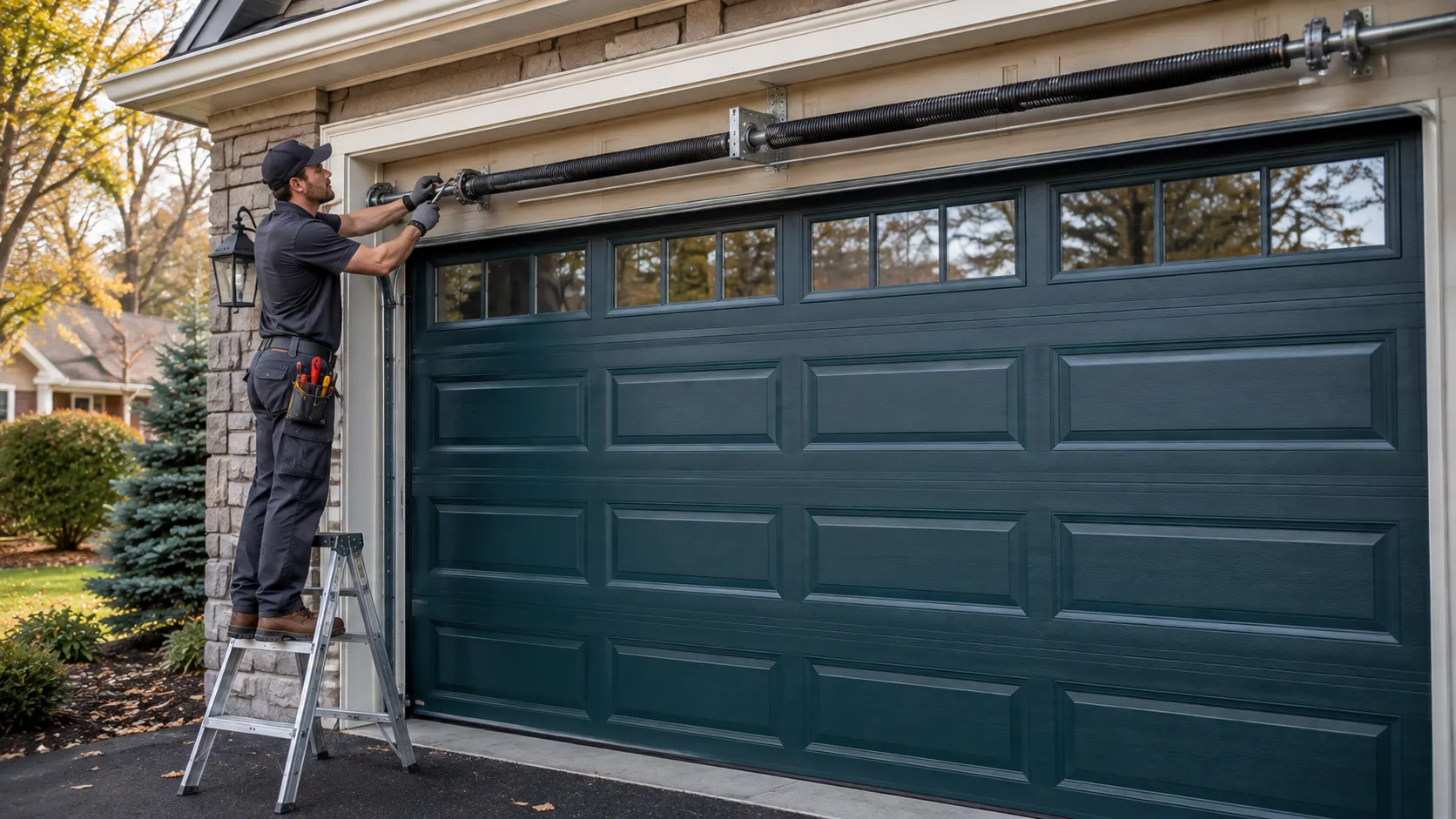
Replacing a broken torsion spring on a double door is not a homeowner repair - the spring is under enough tension to break bones, and it should stay off any DIY list regardless of the door's age. That part of the job we're firm on.
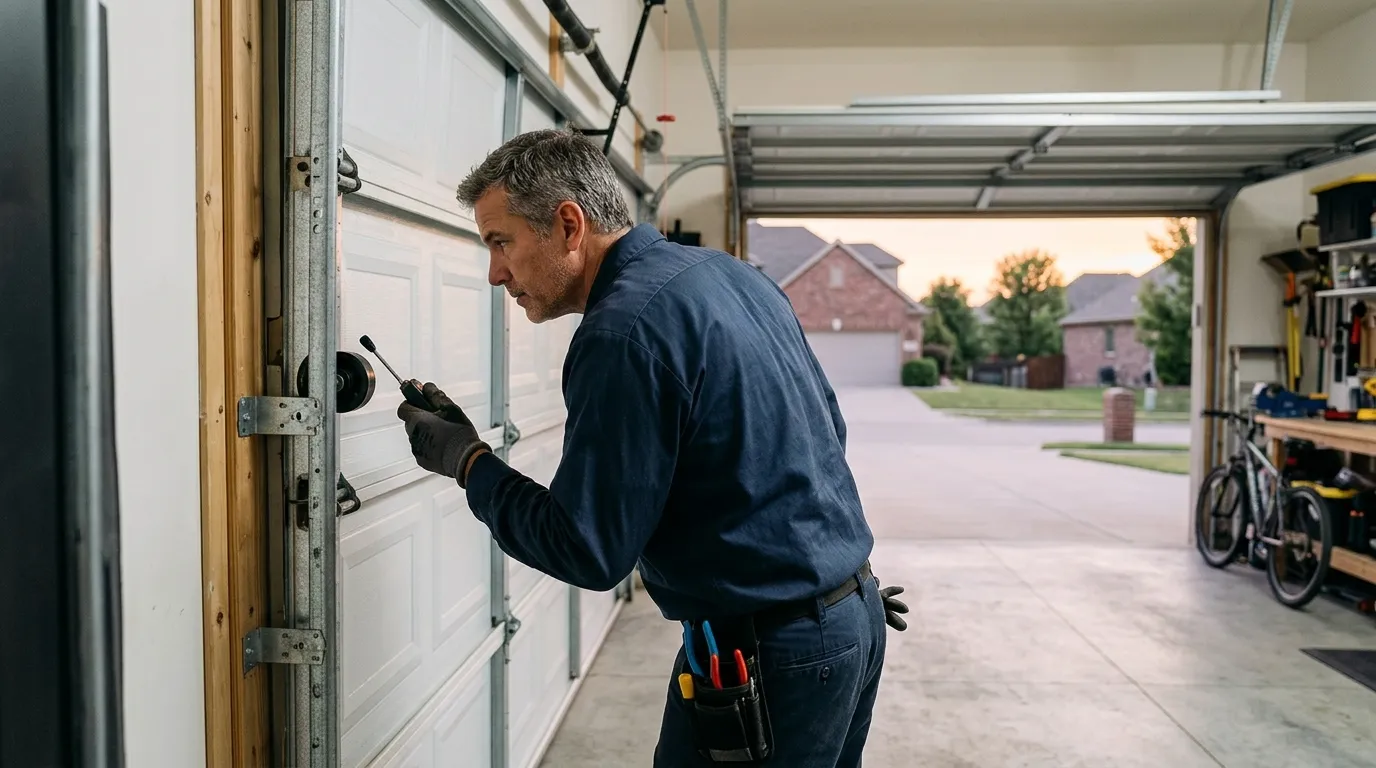
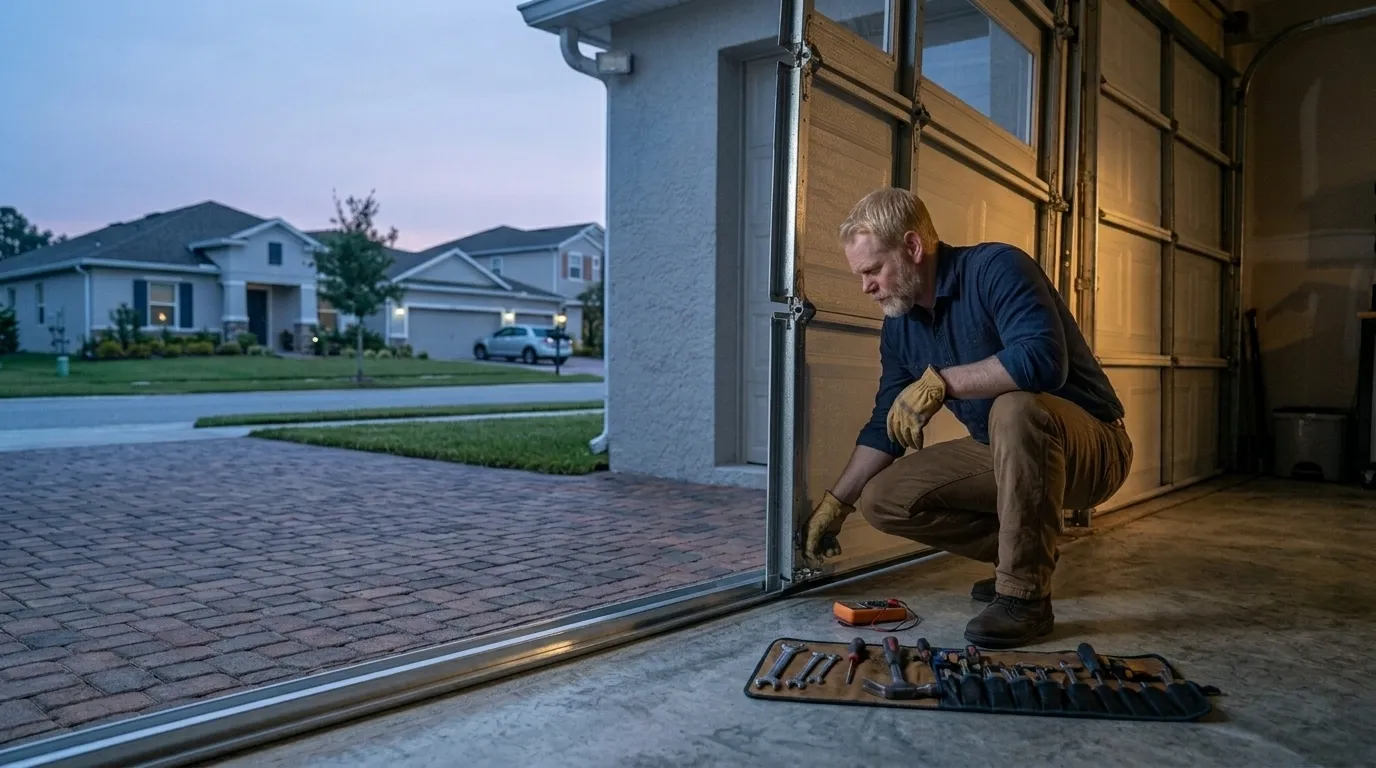
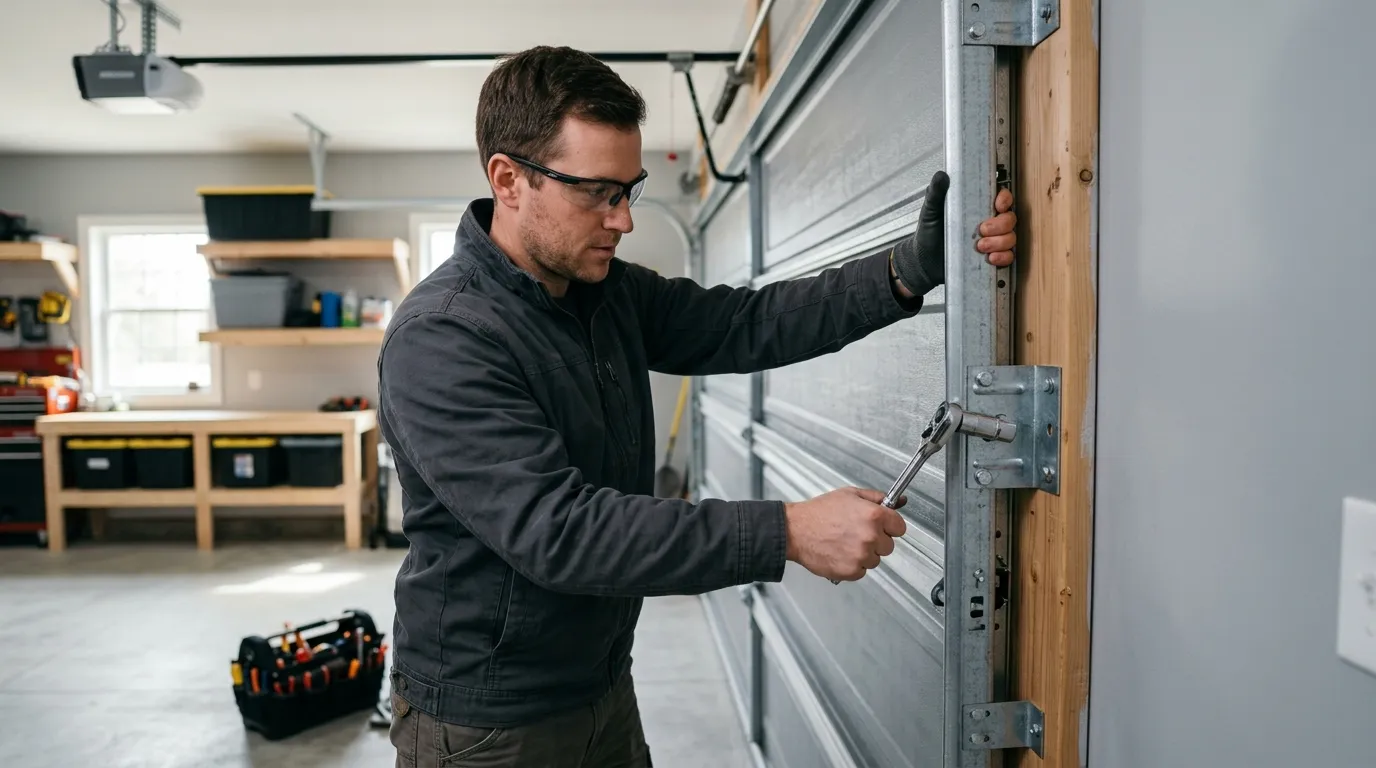
What you can reasonably handle yourself: lubricating rollers and hinges twice a year, checking and tightening loose bolts on the track brackets, and testing the auto-reverse safety feature by placing a block under the door and watching it reverse on contact. If it doesn't reverse, stop using the opener and call someone - that's a safety sensor or limit switch problem, not a lubrication problem.
We won't pretend every job needs a truck. If your door just needs the sensors realigned or a stuck limit switch reset, that's often a five-minute fix you can do with the owner's manual. Save the call for springs, cables, broken panels, or an opener that won't respond at all.
What You Pay
We don't have a published price list for this page, and we're not going to make one up. What we can tell you is that Westlake's median household income, around $110,101, is noticeably higher than the wider service area average, and it tends to correlate with more owners choosing full opener replacement over patching an aging unit - once a repair starts stacking up, replacing rather than nursing an old opener along often makes more sense here than in areas where budgets are tighter.
Actual cost depends on what's broken: a sensor realignment costs a lot less than a torsion spring replacement, and a spring replacement costs a lot less than a new opener with a damaged panel thrown in. We'll give you a number after we see the door, not before.
What the Repair Takes
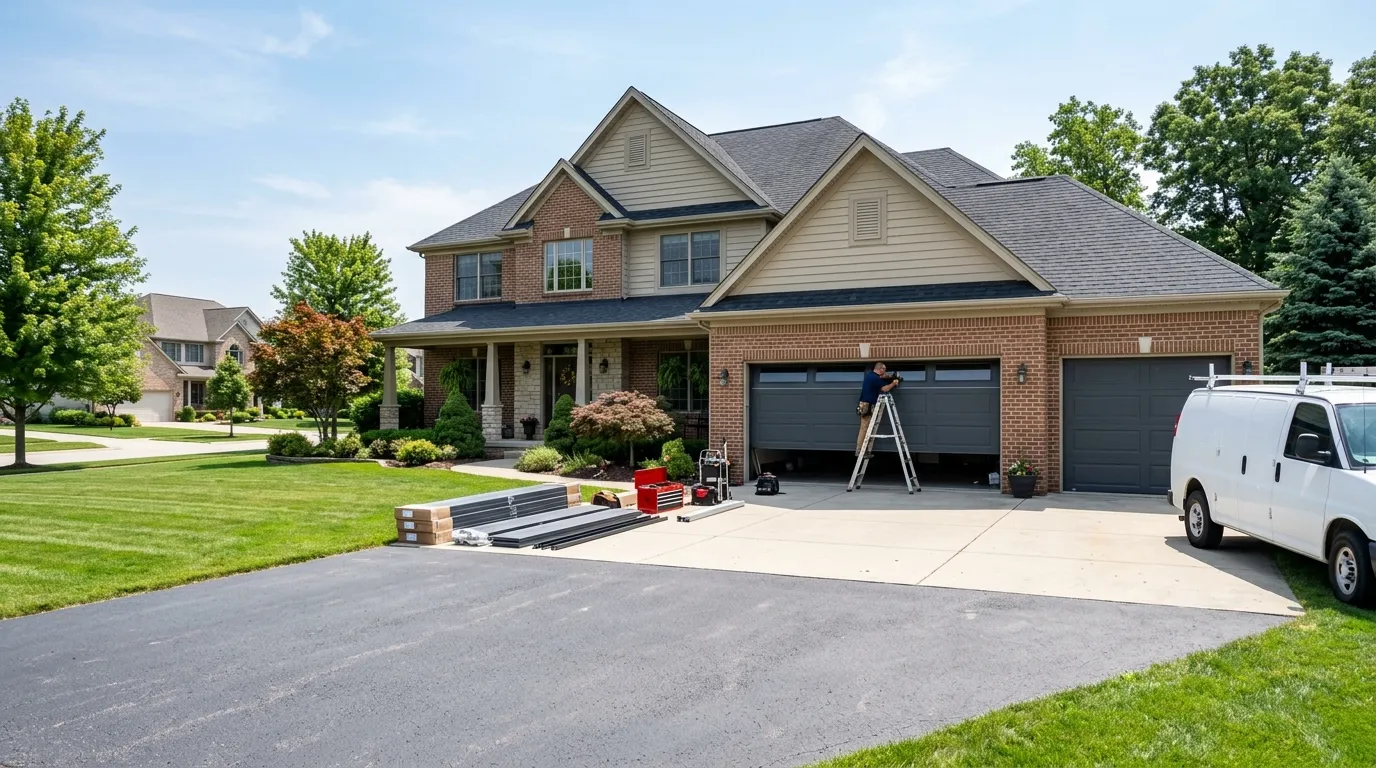
Most single-issue repairs - a spring, a broken cable, a bad sensor - take under two hours once we're on site, door included. Full opener swaps run a bit longer because we're also testing the safety reverse and reprogramming remotes.
The one thing that stretches a job: if your door predates the 1983-era norm and still has original hardware, we sometimes need to source a part that isn't on the truck. That's rare in Westlake given how much of the housing stock here is newer, but it happens, and we'd rather tell you that up front than promise a same-day fix we can't deliver.