What Can Go Wrong
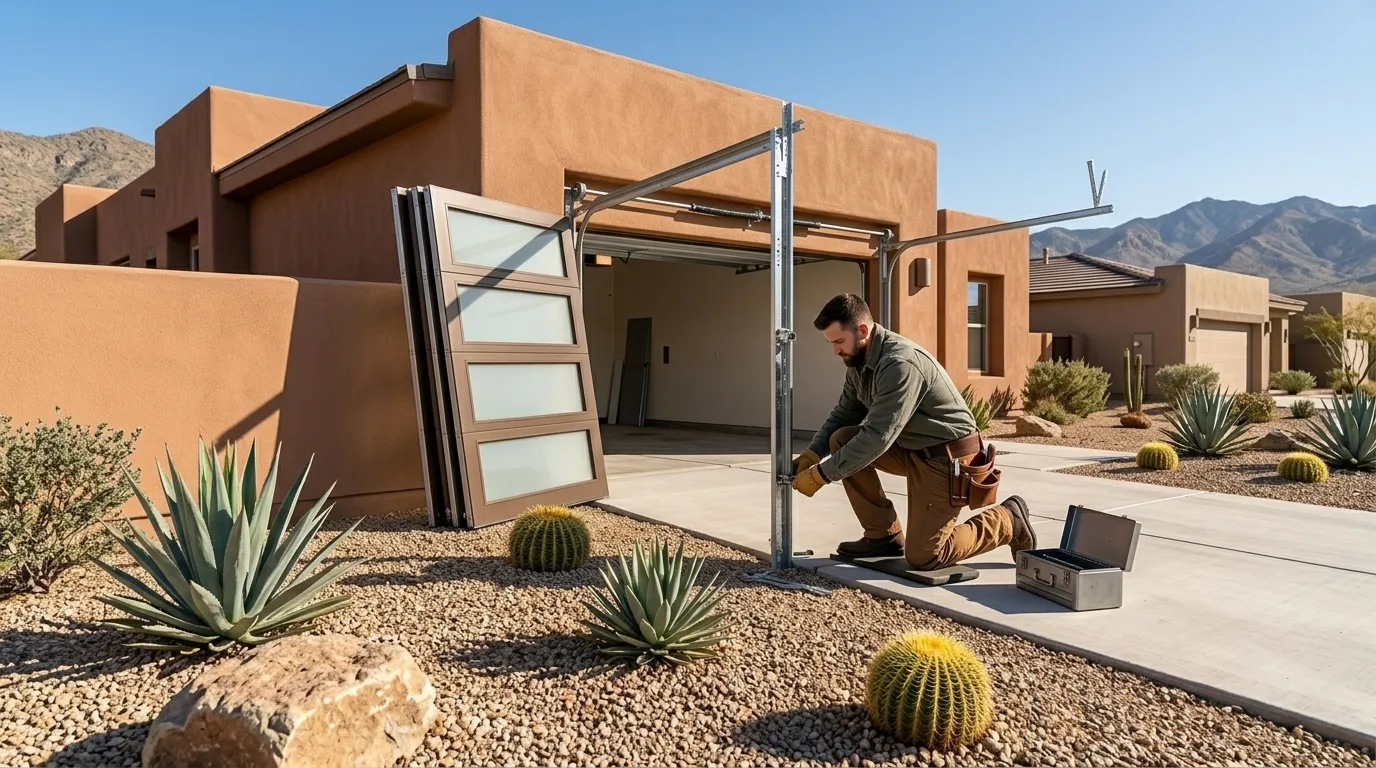
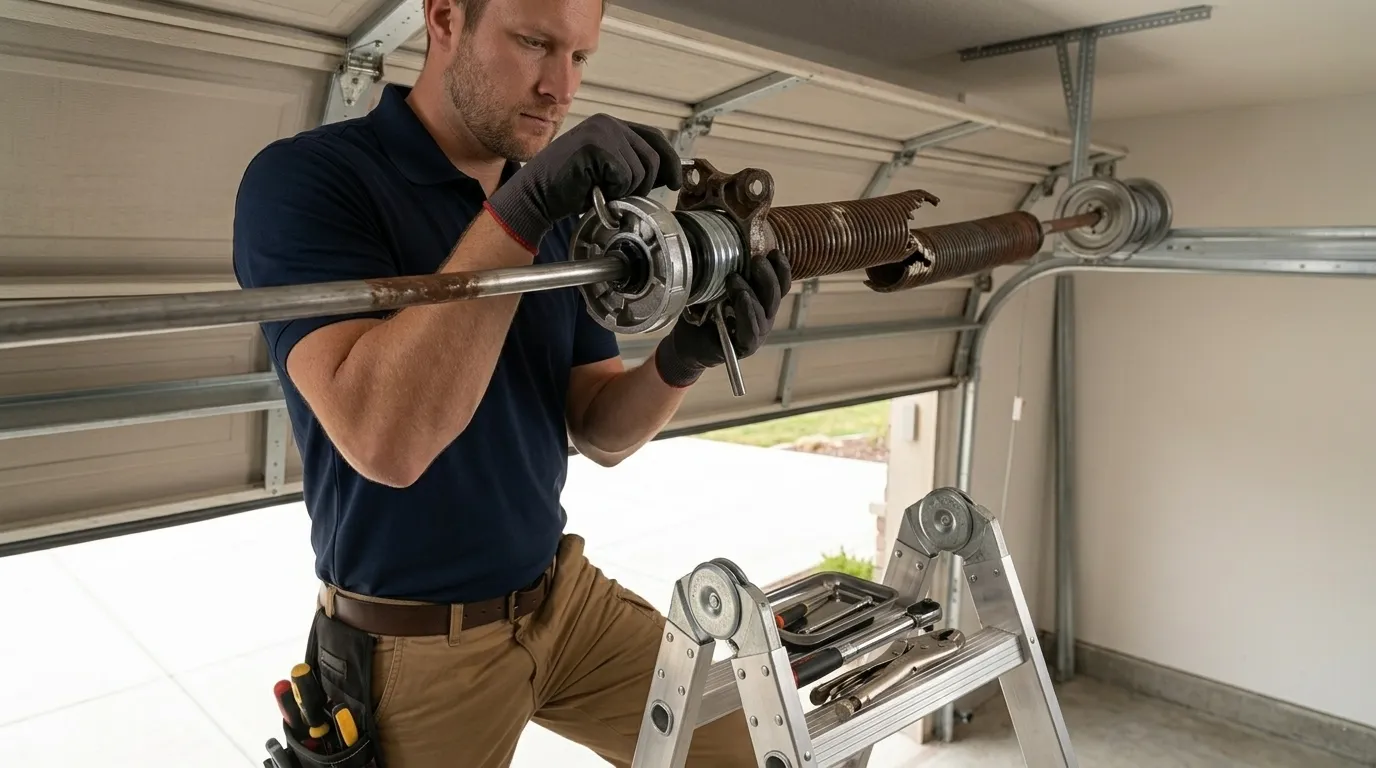
With a median build year around 1983, a lot of Westlake garages are old enough that the original springs have quietly outlived their rated cycle count without ever failing outright - they just get slower, noisier, and heavier to lift by hand before they finally let go. The other common failure at this age is the extension spring cable fraying where it wraps the drum, since those cables don't get inspected the way torsion cables do. Cold, severe winters put extra strain on both: cold-stiffened lubricant makes tracks bind, and a spring under tension that's already fatigued is more likely to snap on a sub-freezing morning than a mild one. We also see openers from this build era running on original gears that have worn down to plastic dust inside the housing, which shows up as a grinding sound before the opener quits outright.
Can You Do This Yourself
Replacing rollers or tightening loose hardware on a door from this era is reasonable weekend work if you're comfortable on a ladder. Springs are not. An extension spring under tension, especially one that's been in service since the early 1980s and is now brittle from age, can whip hard enough to break a hand or worse if it lets go while you're working on it. Same goes for the cable and pulley system attached to it - it's all one connected assembly, and there's no safe way to isolate just one part while it's under load. If the issue is a dead sensor or a remote that won't pair, that's a fair DIY attempt before you call anyone. If the door won't open, won't stay open, or the spring looks stretched or gapped between coils, that's a call, not a project.
What You Pay
We don't have a published price list to quote here, and giving a number without seeing the door would be a guess, not a quote. What we can say is that pricing depends on what's actually failed - a spring swap costs less than a full torsion conversion, and a worn opener gear costs less than a full opener replacement. If your hardware is original to a 1983-built house, expect us to talk through whether a straight repair still makes sense or whether the whole spring-and-cable assembly is due for replacement rather than a patch.
What the Repair Takes
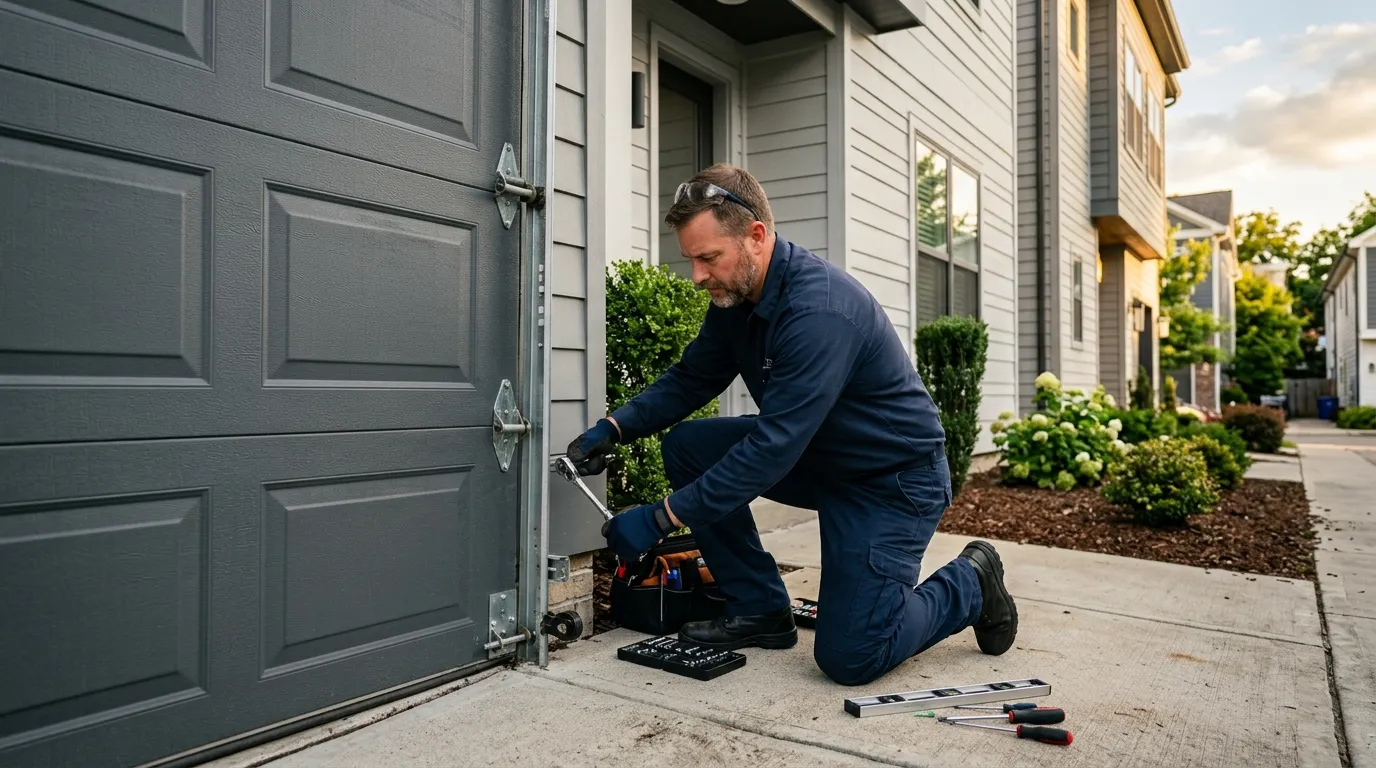
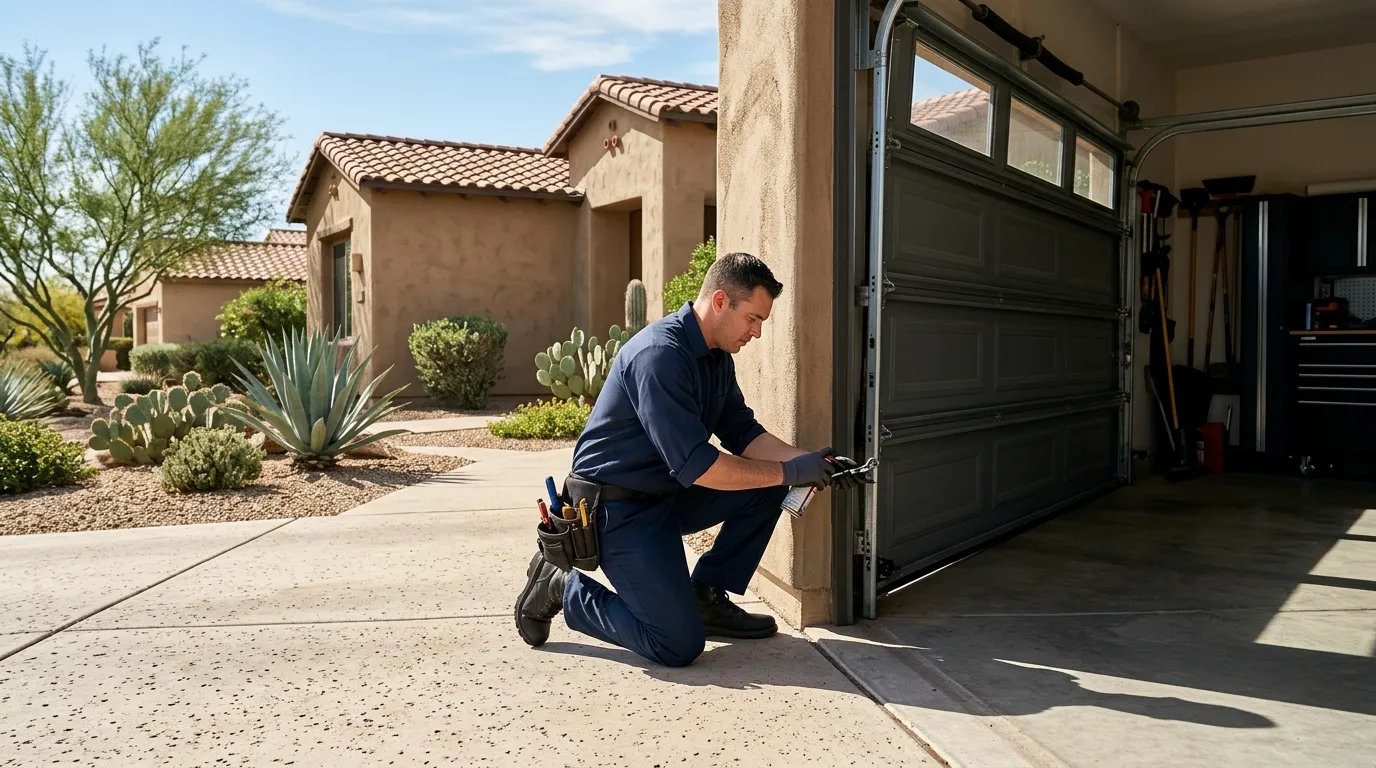
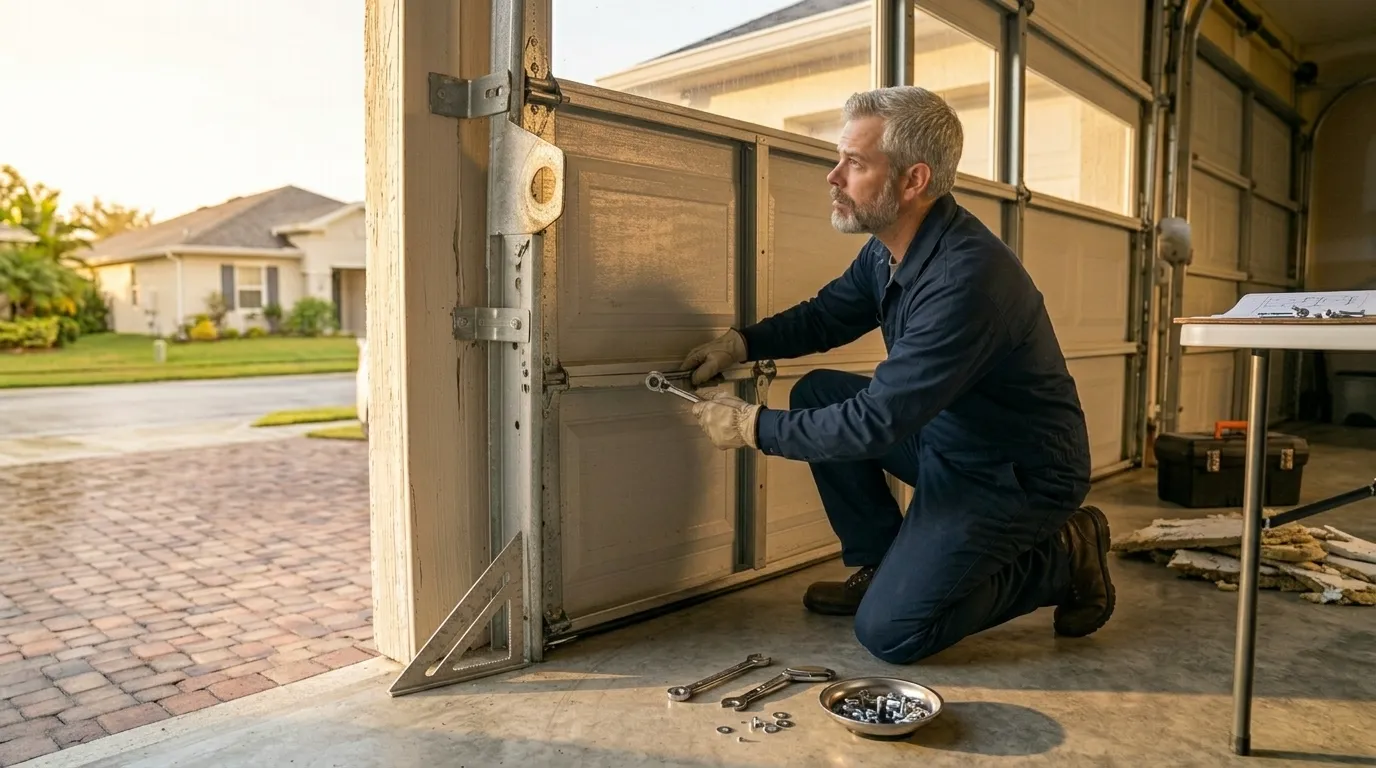
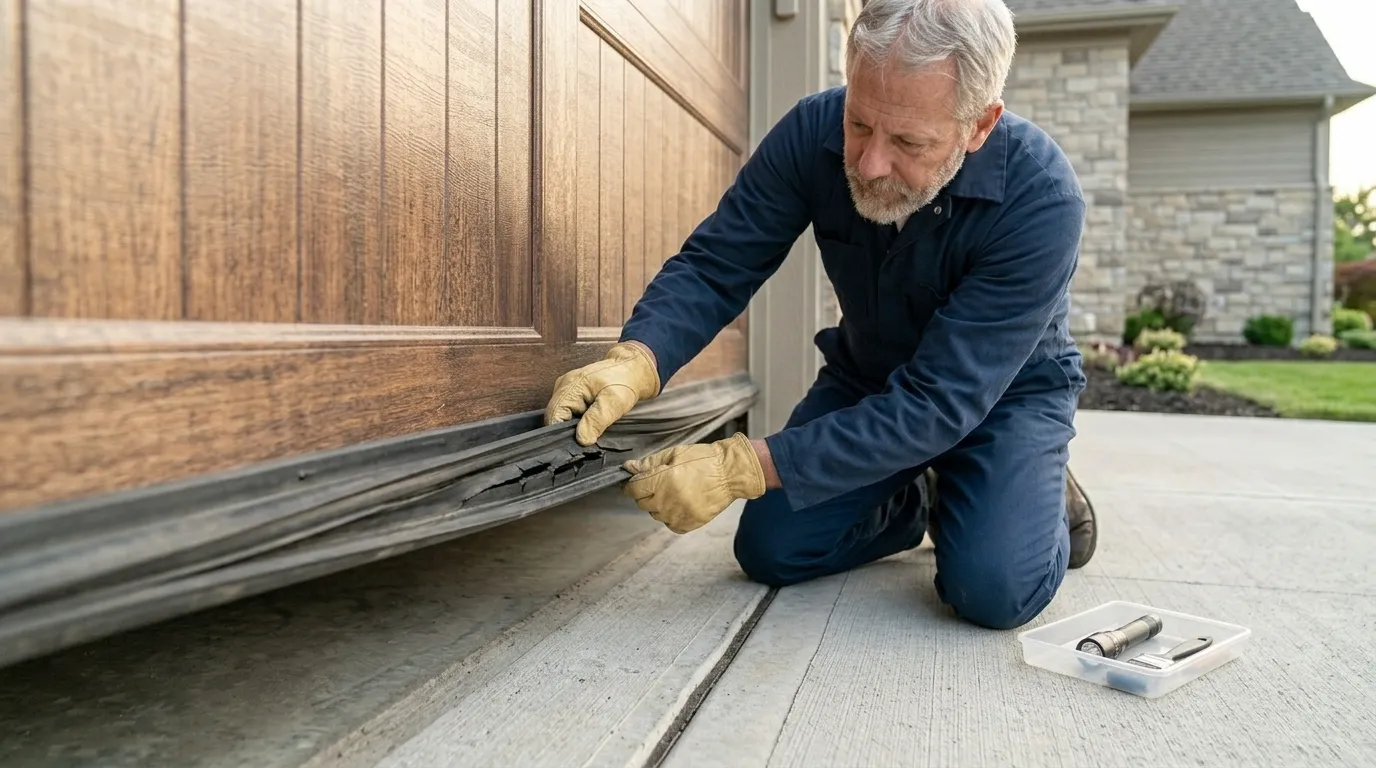
Most single-door repairs - a spring, a cable, a set of rollers - run under two hours once the truck is on site. Opener swaps take a bit longer because we're also checking the sensor alignment and travel limits, which matters more in a severe-cold climate where a door that doesn't seal tight against the winter wind drives up heating costs. If the job turns into a full torsion conversion instead of a repair - something we sometimes recommend for doors running on 1980s-era extension hardware that's reaching the end of its service life - that's a longer visit, and we'll say so before we start, not after.