Garage Door Installation Built for Strongsville's Housing Stock
Garage door installation for Strongsville homes built 1938-2002, sized for narrower openings and rated for the region's severe cold winters. Local install crew.
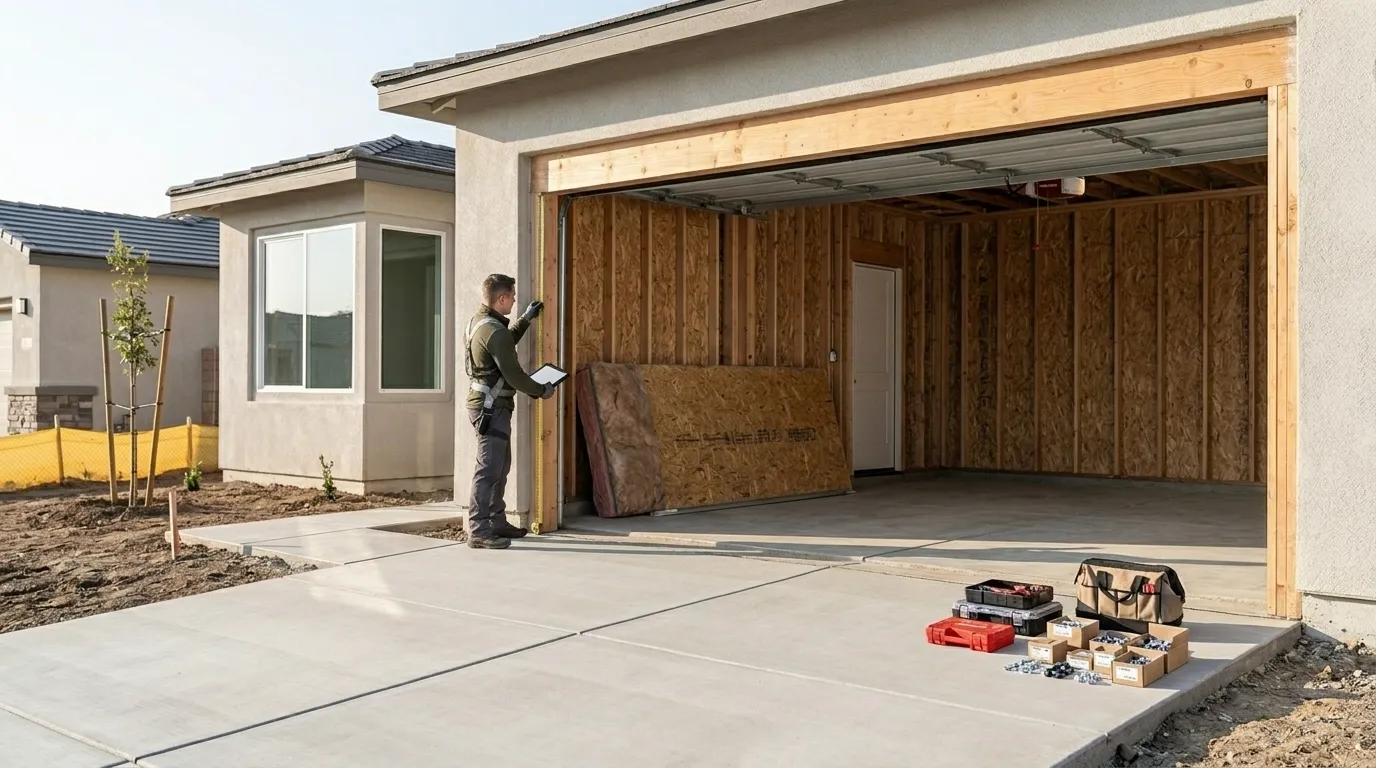
Most of Strongsville's houses went up between 1938 and 2002, with the median build year sitting at 1967. That matters for install time because a lot of those openings were framed before manufacturers standardized jamb widths, so a straight swap-in job on a newer home doesn't always work here. On the older side of that range we often have to shim or rebuild the jamb before the new door will seat right, which adds time to what would otherwise be a half-day job.
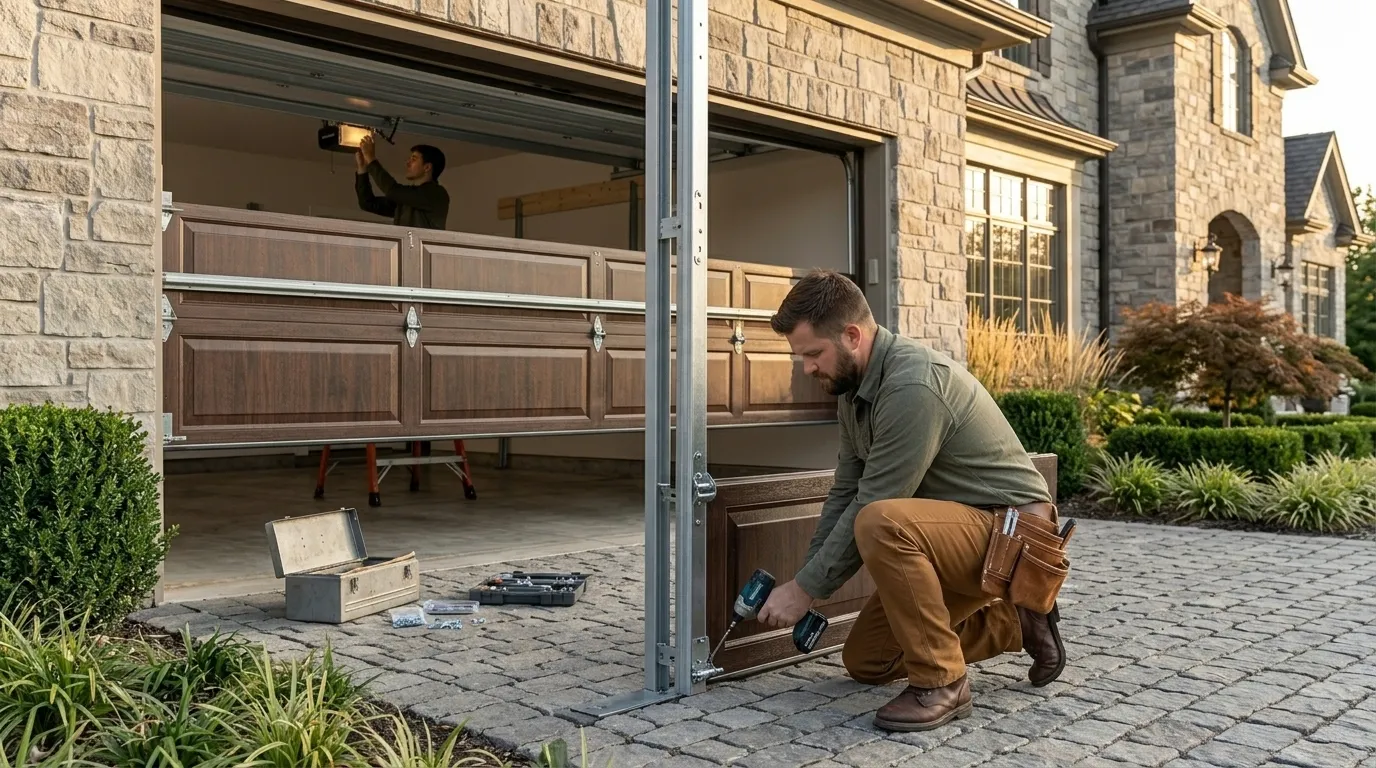
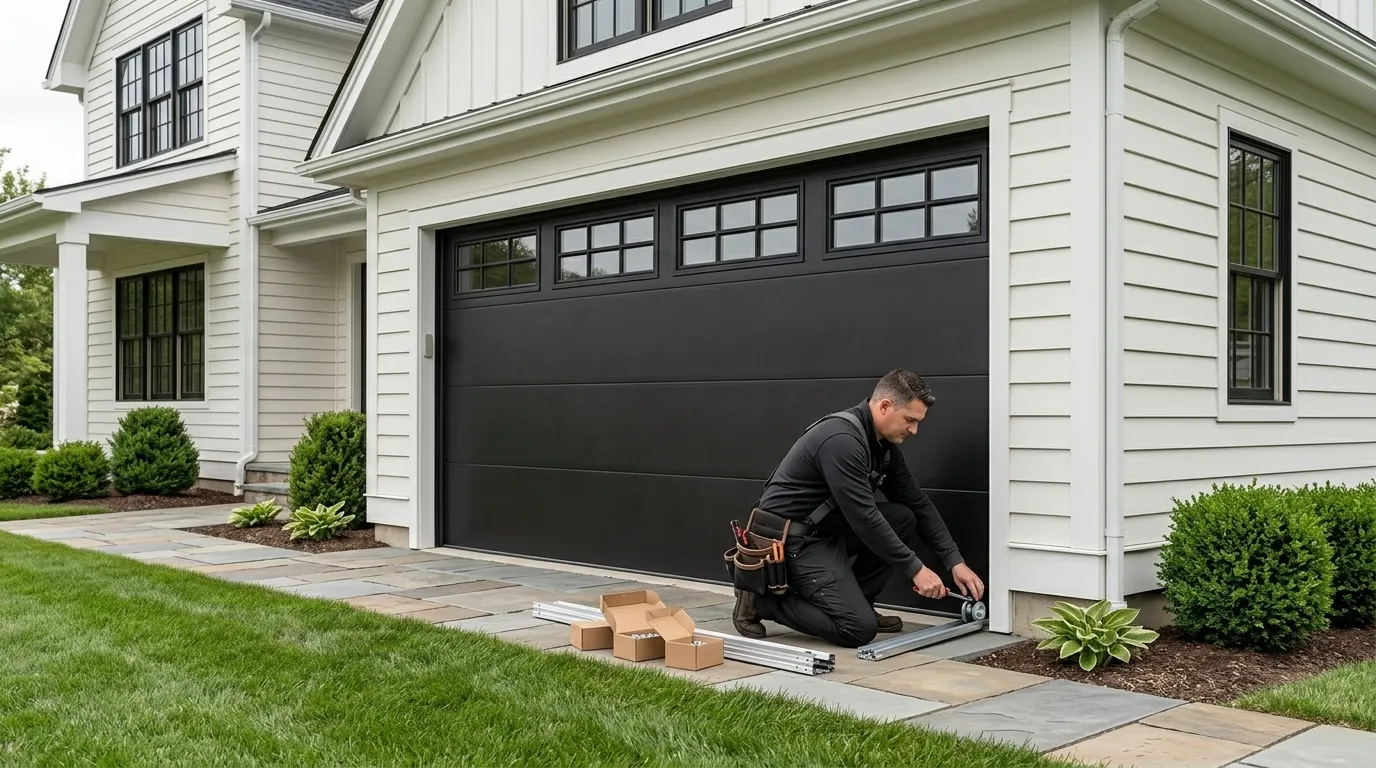
A clean install on a standard 16x7 opening with square framing usually runs a few hours, start to finish, including the opener hookup. Add jamb repair, header reinforcement, or a track realignment because the old header was never squared to begin with, and you're looking at a longer day. We tell you which situation you're in before we quote the job, not after we've started cutting into your trim.
One honest limit: if your framing needs structural work beyond the door opening itself - a rotted header or a shifted foundation, for example - that's outside a standard install and we'll say so rather than force a door into an opening that isn't ready for it.
What You Pay
We don't post a flat number here because door size, insulation level, and what your opening needs before the new door goes in all move the price. What we can tell you is what drives the decision for most households in this area: median household income across the service area sits at $92,639, and with 133,448 owner-occupied houses in the mix, most owners are weighing a mid-grade insulated steel door against a premium option, not choosing between garage door and no garage door.
Given the cold climate band this region sits in, we steer most Strongsville jobs toward doors with a real R-value, not the thinnest single-layer steel option, because that thin door is exactly what fails first once winter sets in. That's not upselling - it's what holds up on a house built in the 1960s or 70s with an unheated garage bay.
We'll walk you through the difference in materials and hardware on-site, and give you a number for your opening and your door choice, not a generic range that doesn't account for either.
Why This Fails Locally
A big share of the houses in this area were built in the 1960s and 70s, across the 47 named areas that make up this housing stock, and a lot of them still have the door and track hardware that came with the house or the first replacement from decades ago. That gear was built for a milder expectation of winter than what this region's severe cold band actually delivers.
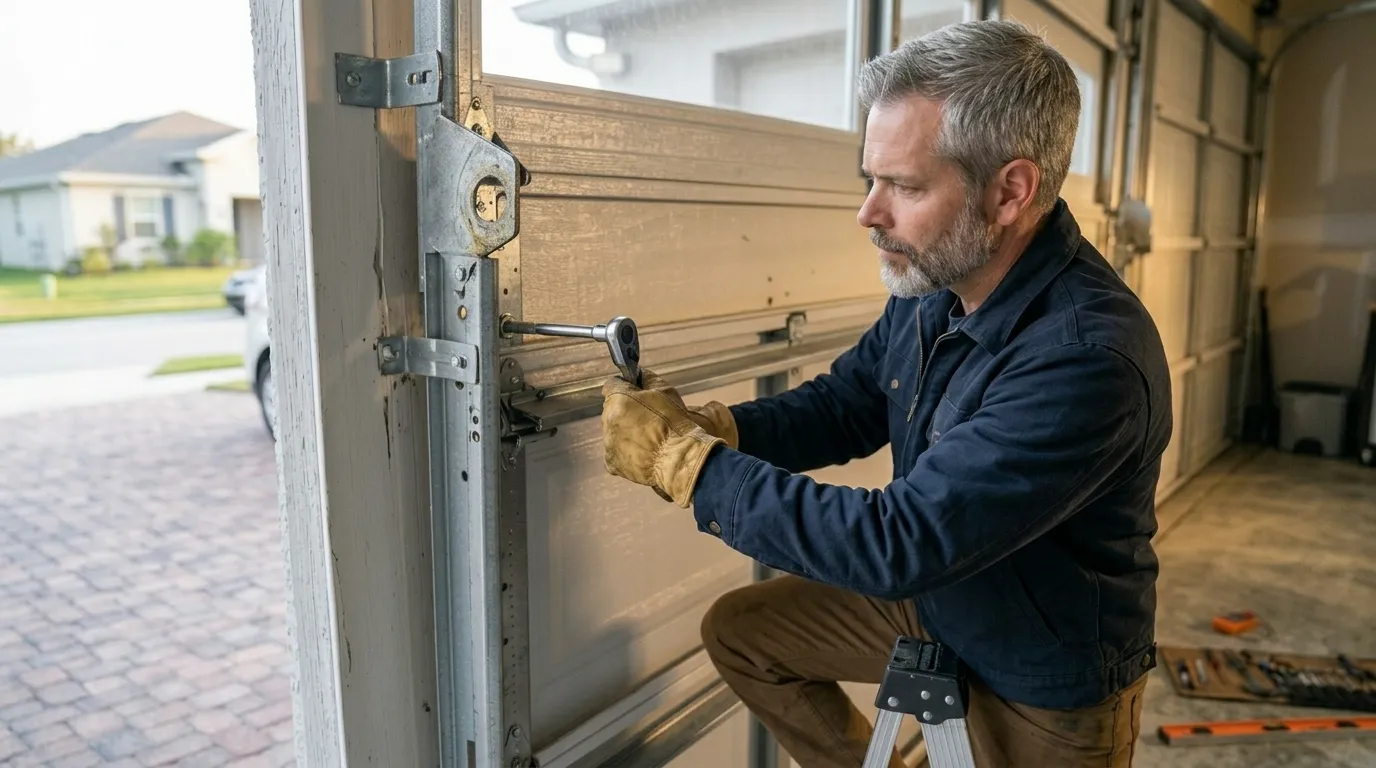
Here's the mechanism: steel contracts in cold, and a door without a real thermal break flexes at the seams every time the temperature swings hard, which it does here. On a house from that build era, the track was often set up for a lighter, uninsulated panel. Put a heavier insulated replacement on old track hardware without upgrading the rollers and hinges, and you get binding, not a fix.
This is a hardware-and-era problem, not a workmanship problem on the homeowner's part. The door and track were matched to a house built decades before anyone expected the panel to also act as an insulator. That's why a straight panel swap on a 1960s-era Strongsville garage often just moves the failure point somewhere else in the same system.
How It Shows Up
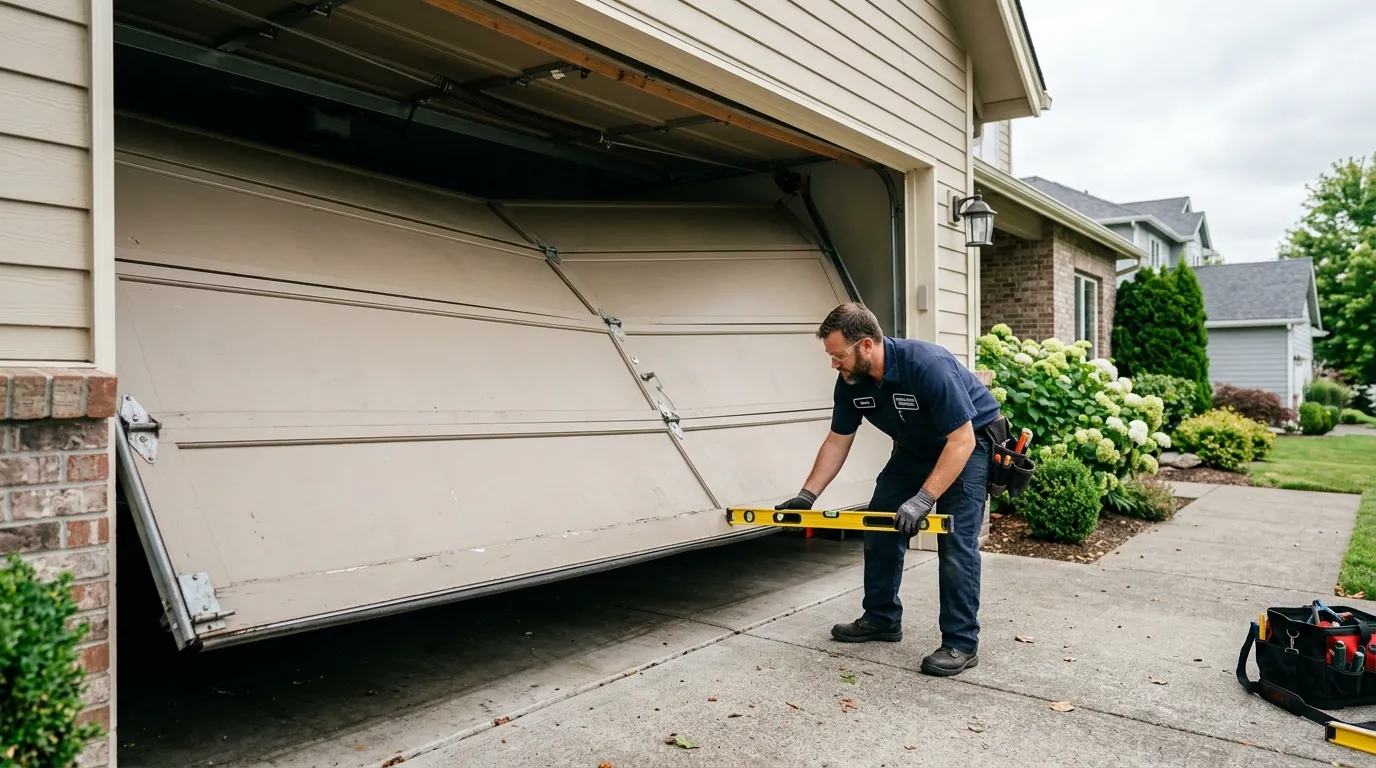
On a house from the 1960s or 70s stock common across this area, the first sign is usually a door that drags or hangs up partway through its cycle once the cold really sets in - the steel has contracted slightly and the old track tolerances weren't cut for that movement. Weatherstripping that was fine in October cracks and lets daylight show along the bottom edge by January.
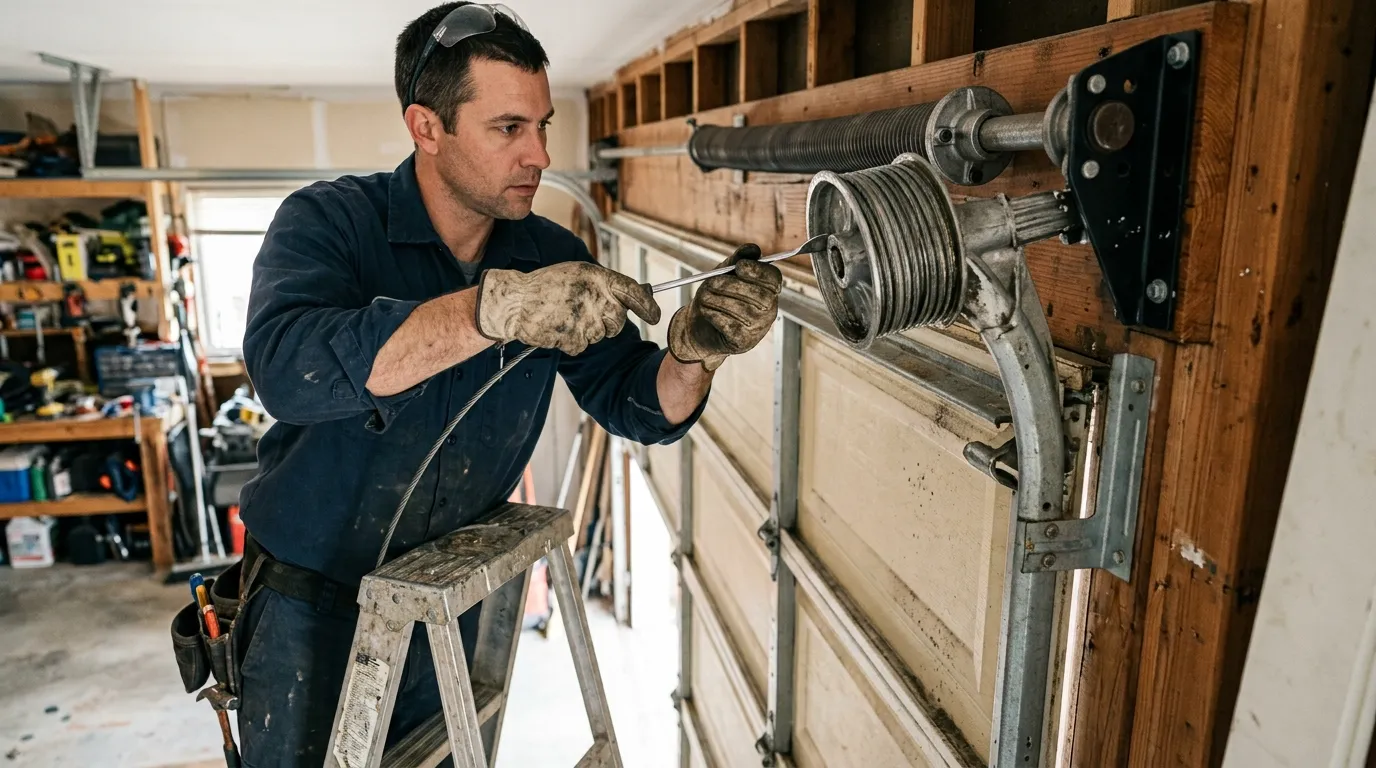
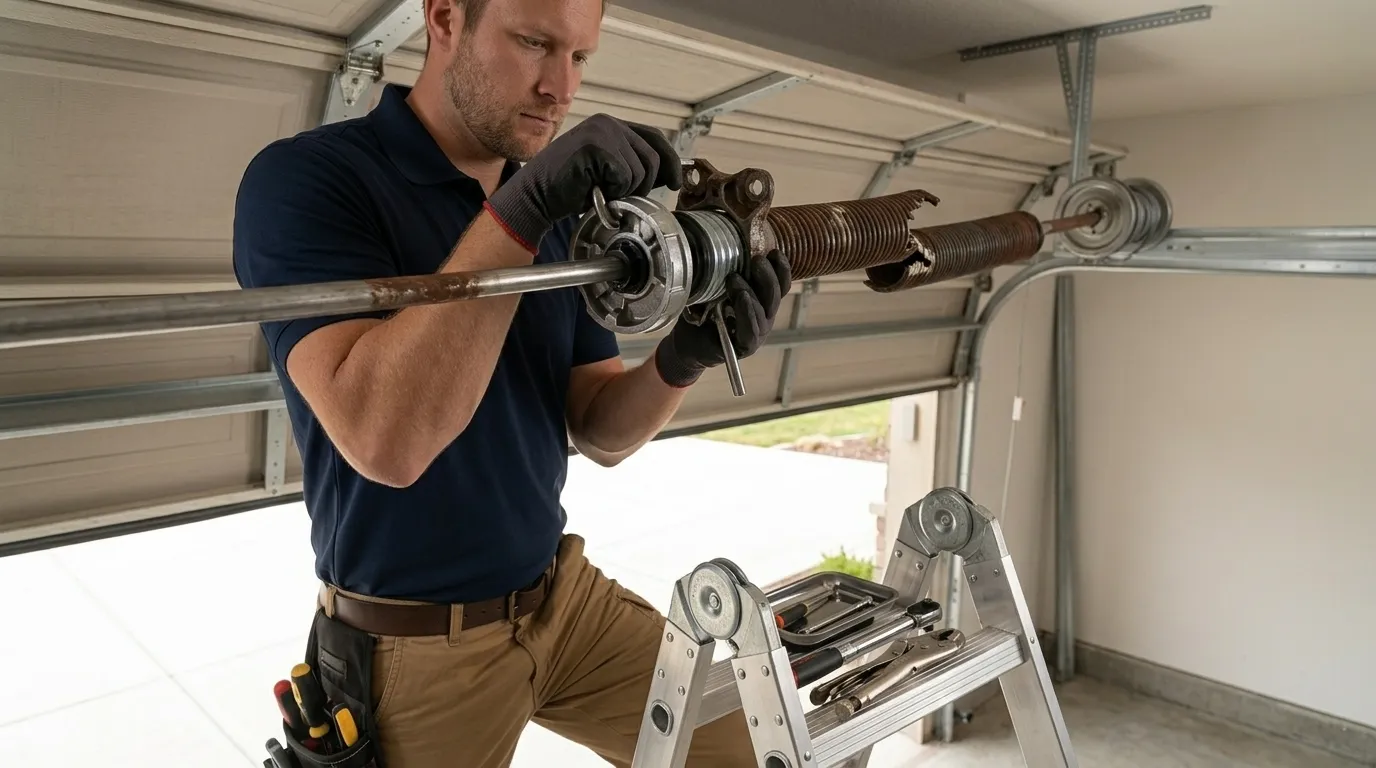
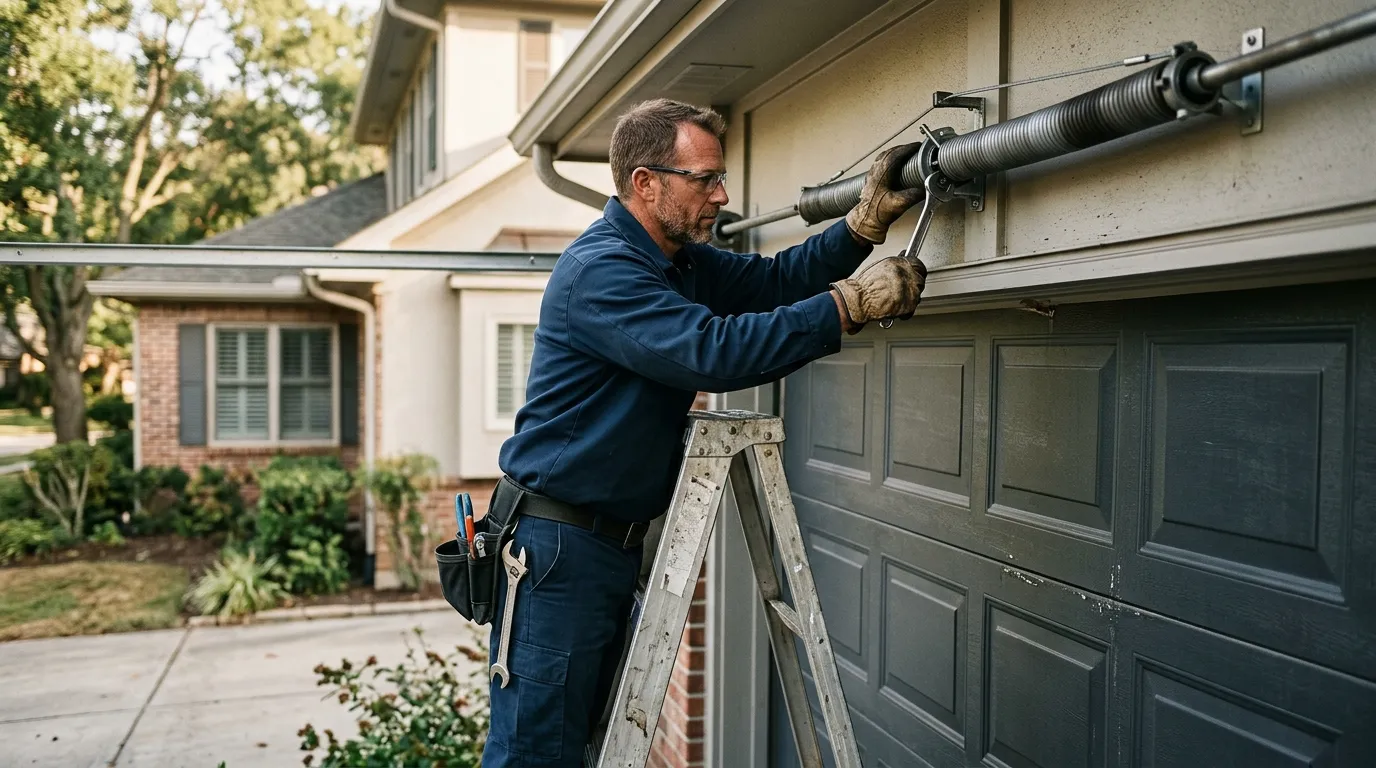
On homes at the older end of the 1938-2002 build range, we also see openers straining harder in cold weather because the door itself has gotten heavier with age - old paint, old insulation batting sagging inside the panel - while the spring tension was set for a lighter door years ago. That's a spring adjustment problem as much as a door problem.
If you're noticing the door slow down, groan, or stick only in the coldest months and run fine the rest of the year, that's the cold-climate-and-old-hardware combination showing up exactly the way it does on houses built in this era. It's worth having someone look at the track and spring tension before you replace the whole door.
How it works
From “it’s stuck” to “it’s fixed”
01
Tell us what’s wrong
Describe the symptom - won’t open, loud bang, opener runs but the door won’t move.
02
On-site diagnosis
A technician tests the door under power and by hand and finds what actually failed.
03
Clear, up-front plan
You get the fix that’s needed and what drives the cost - before any work starts.
04
Repaired & tested
The repair is done, the door is set true and tested, and the work area left clean.
Serving Strongsville, OH - tell us what your door’s doing and we’ll take it from there.
On houses from the 1960s and 70s build era common in this area, steel panels and old track hardware weren't matched for the region's severe cold swings. The metal contracts slightly, tolerances tighten, and a door that runs fine in summer binds once temperatures drop. It's usually a track or roller issue, not a sign you need a whole new door.
Will a new door fit my old opening without extra work?
Depends on when your house was built. Homes from the older end of the 1938-2002 range often have jambs and headers framed to different standards than today's doors expect. We check the opening before quoting, because on some of these houses we need to shim or rebuild the jamb before the new door seats correctly.
Should I get an insulated door given the winters here?
For this climate band, yes, in most cases. A single-layer steel door is the first thing to fail once the seasonal cold sets in - it flexes at the seams and the seals give out faster. Most owners in this area choose a door with real R-value rather than the thinnest option, and it holds up better long-term.
How long does a standard install take?
A straightforward job on square, modern framing usually takes a few hours including the opener hookup. If your house has the older framing common in this area's 1960s-70s housing stock, jamb or header work can add to that. We tell you which situation applies before we start.
Ready to get your garage door sorted?
Tell us what it’s doing and where you are in Strongsville - we’ll take it from there.