Garage Door Repair for Strongsville's 1960s and 70s Housing Stock
Strongsville homes built between 1938 and 2002 carry original torsion hardware that struggles in severe cold. Same-house diagnosis, straight talk on repair vs. replace.
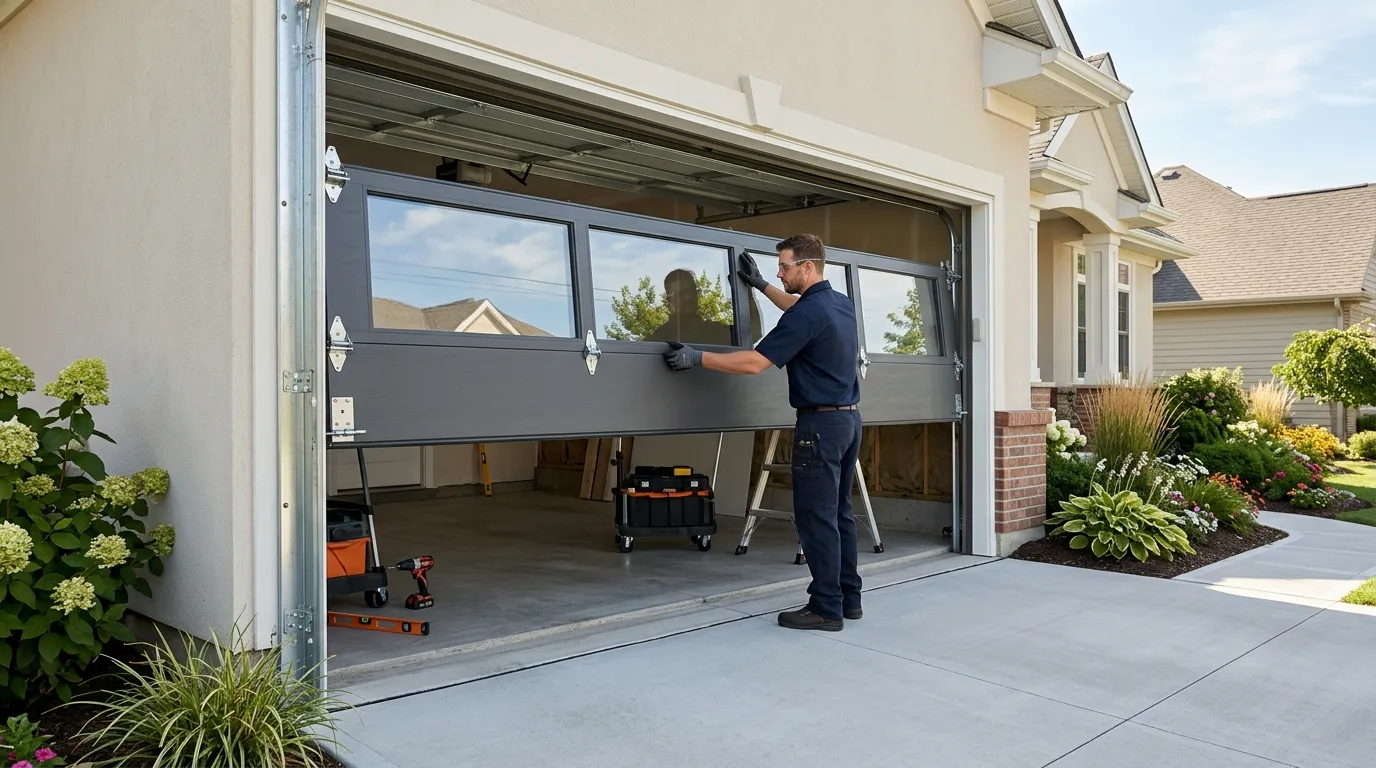
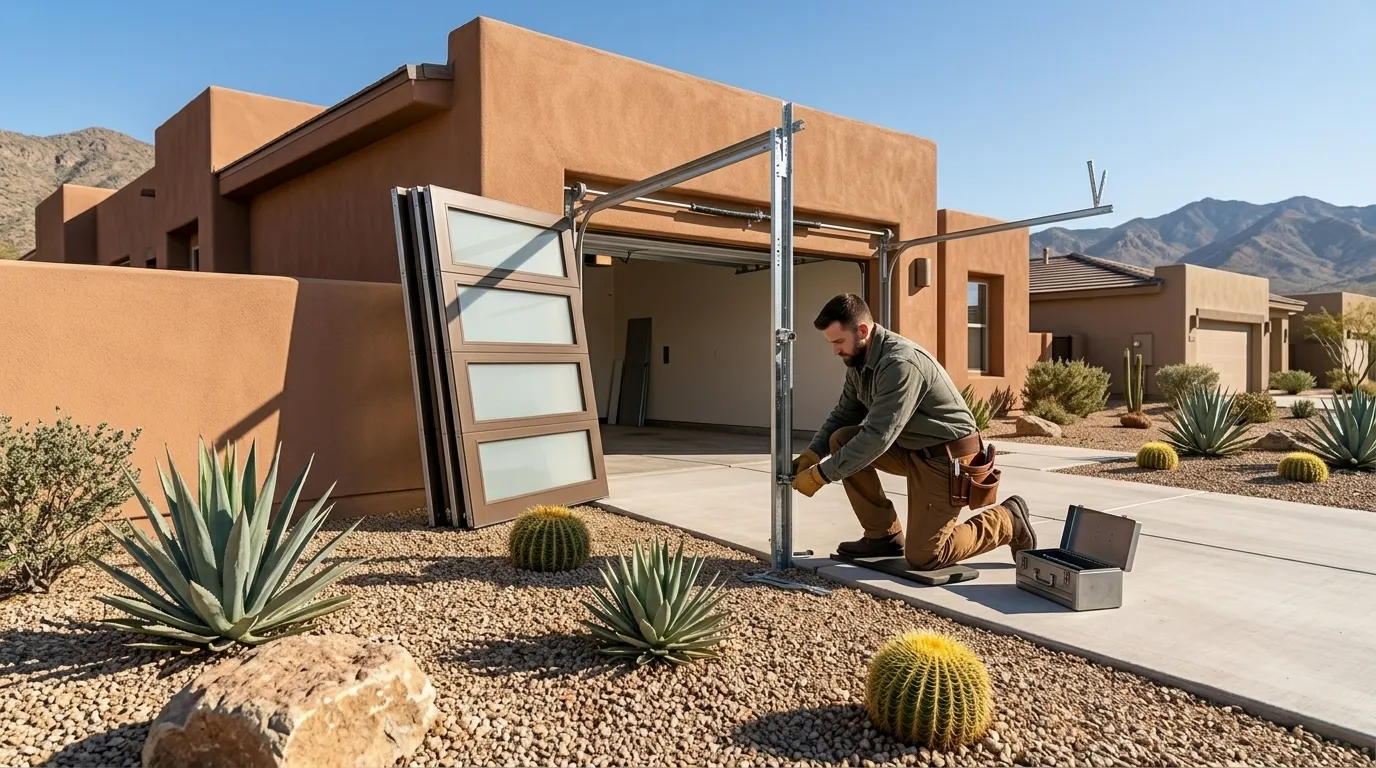
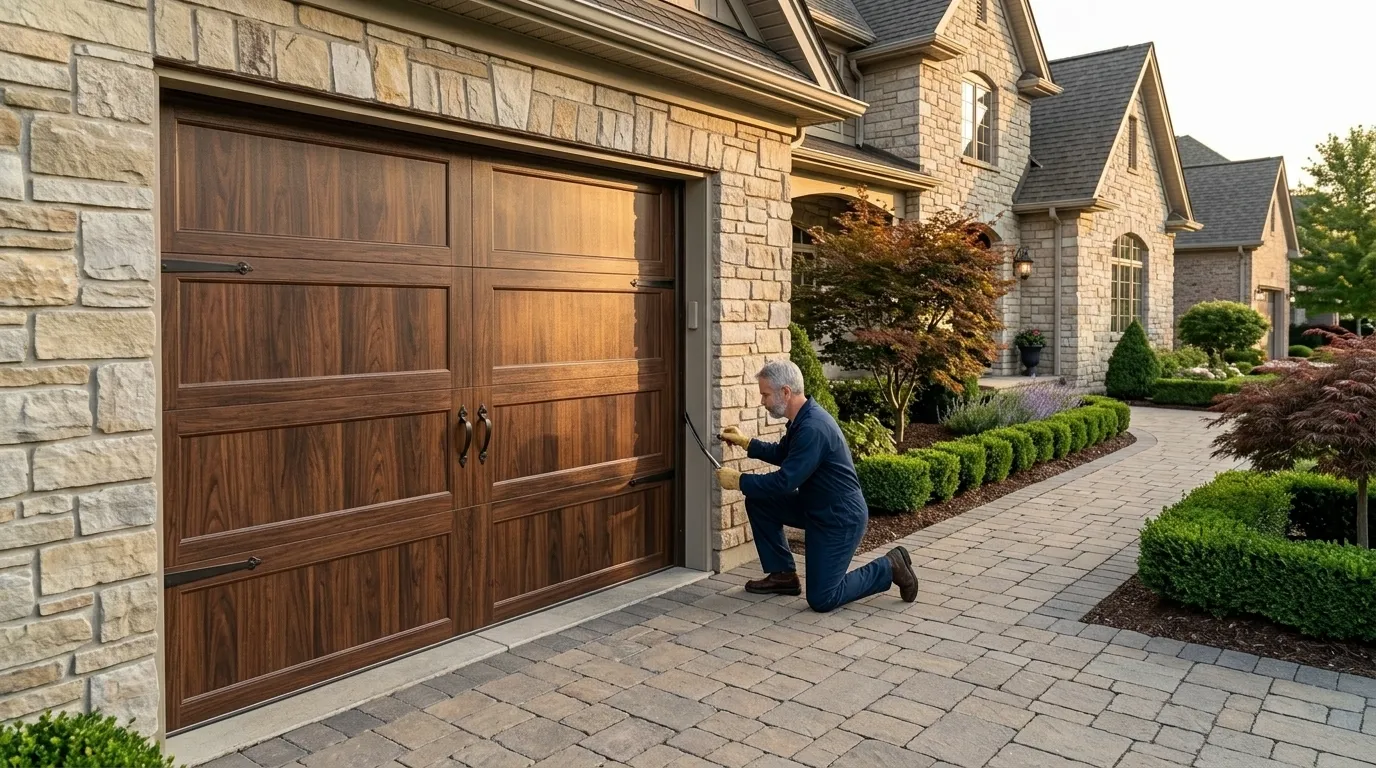
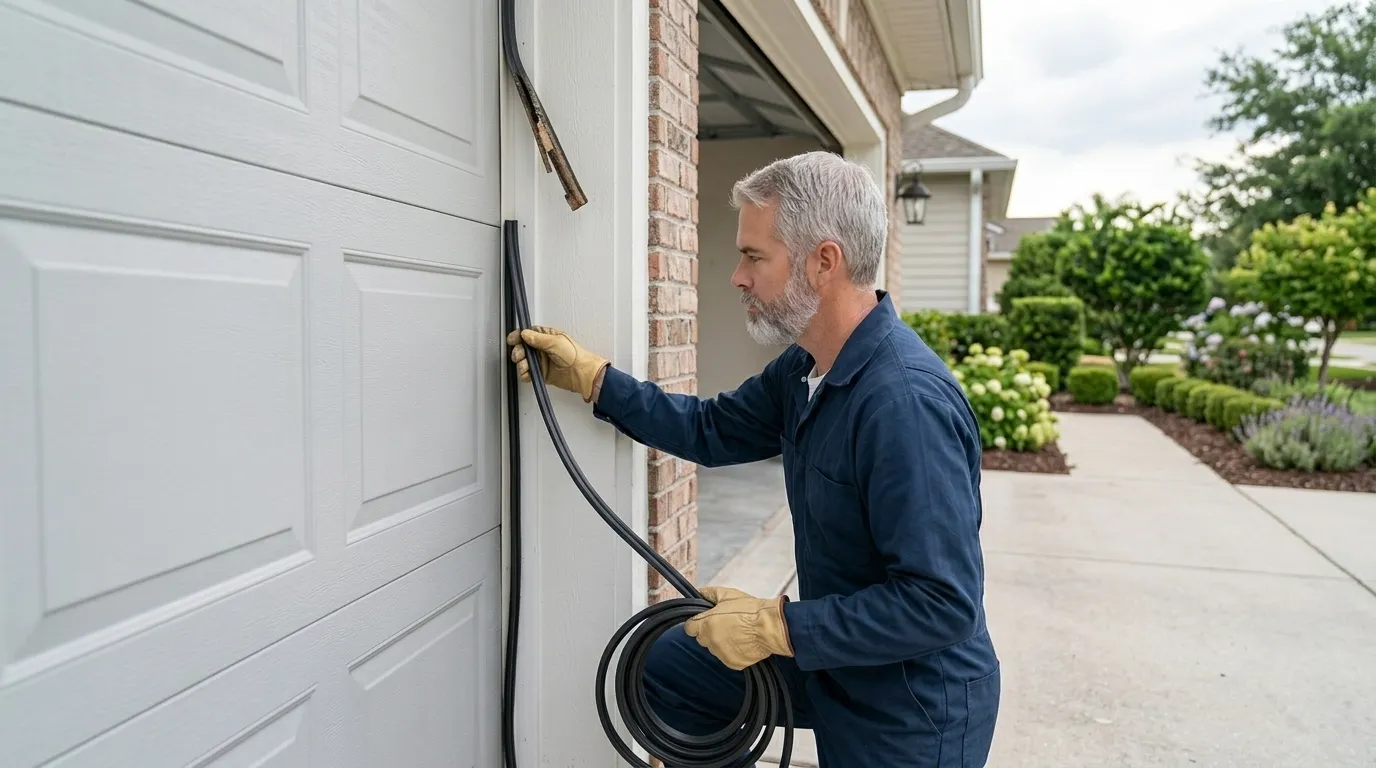
Most calls in Strongsville break down into two categories: something snapped (spring, cable, roller) or something drifted out of alignment (track, opener sensor, panel). A snapped torsion spring on a standard double door is usually a same-visit fix once we're on site, because the housing here is consistent enough that we carry the sizes that fit 1960s and 70s builders' openings. Diagnosis takes fifteen to twenty minutes; most repairs finish inside two hours.
What slows things down is parts that don't match. A house built in the median year around 1967 may have had one or two prior door replacements already, and not every replacement used hardware sized for the original opening. If the track or spring on your door isn't a standard fit, we tell you that before we start, not after we've charged for the visit.
The honest limit here: if a job needs a special-order panel or an obsolete opener board, we're waiting on a supplier like everyone else. We won't promise a same-day fix on that and we won't pretend otherwise.
What You Pay
We don't publish a flat number here because what a Strongsville door needs depends heavily on age and prior repairs, not just what's broken today. A door original to a house from the 1960s or 70s often needs more than the single failed part - the drum, the bearing plate, or the track brackets have usually worn evenly with the spring, and replacing one without checking the others just moves the next call closer.
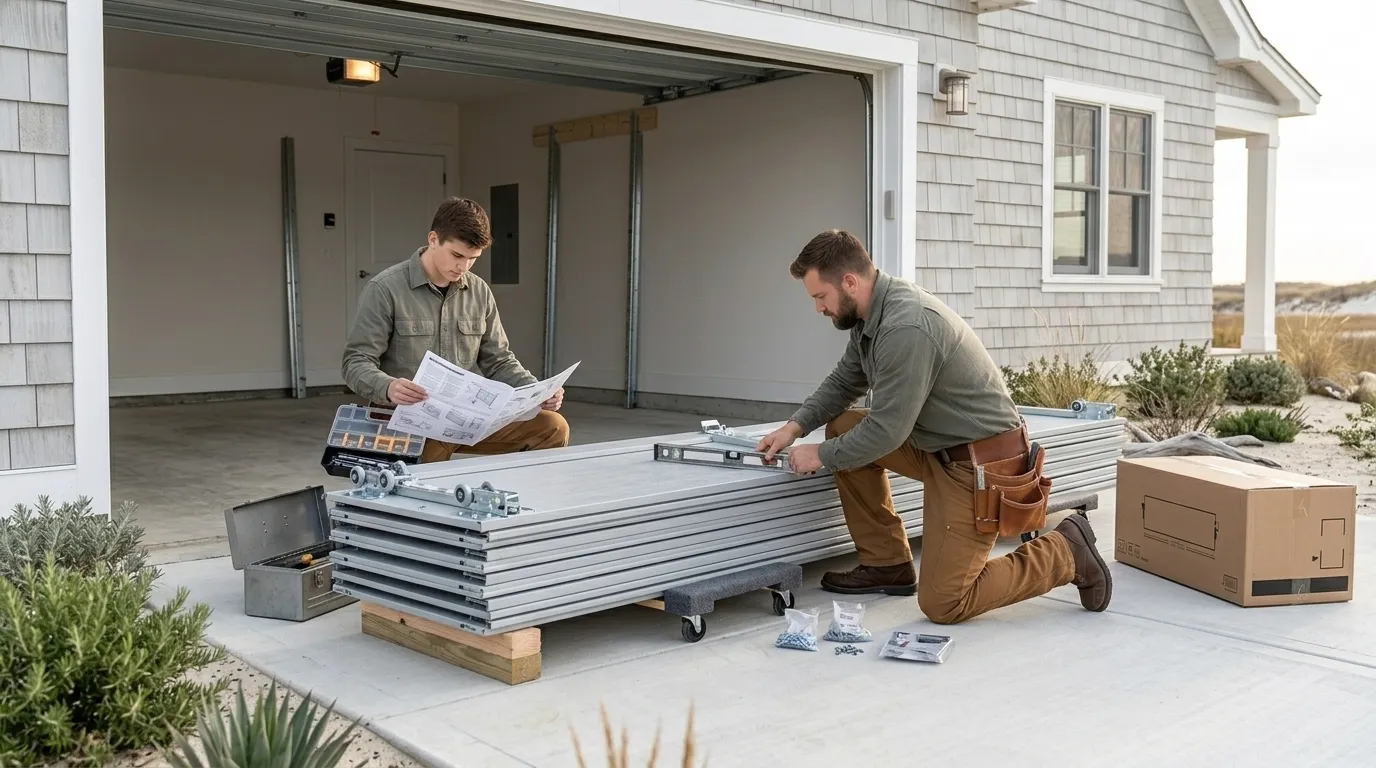
We quote after we look at the door, not before, because guessing over the phone on a house we haven't seen tends to be wrong in one direction or the other. If a repair is going to cost close to what a new door section runs, we say so plainly instead of stacking small fixes on an old door that's near the end of its service life.
Why This Fails Locally
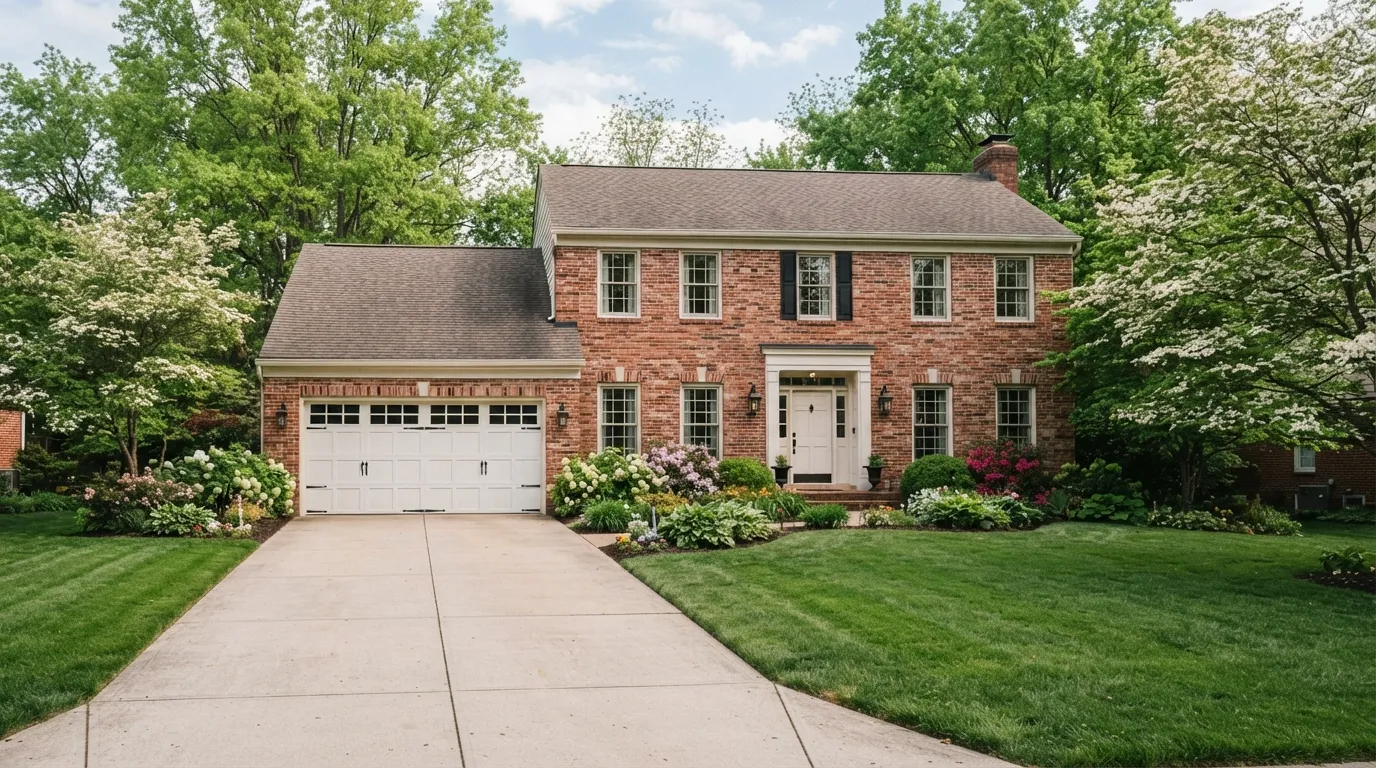
Strongsville's housing stock runs from 1938 to 2002 with a median build year around 1967, and most of the doors we're called out to fix sit on original or first-generation replacement torsion hardware from that era. That hardware wasn't built for the duty cycle a garage door sees today, especially with attached garages doing double duty as workshops and mudrooms.
The bigger factor is the climate band: severe cold. Torsion springs lose a measurable amount of lift capacity as steel contracts in cold weather, and a spring that was already near the end of its rated cycle count in a mild season will often let go on the first hard cold snap of the year. Nylon rollers and cheaper cable sheaves get brittle the same way. This isn't a defect specific to any one brand - it's what 50-plus years of freeze-thaw cycling does to hardware that was never rated for it.
On houses with detached or unheated garages, which are common across this stretch of northeast Ohio's older subdivisions, the swing between an overnight low and a heated afternoon is exactly the kind of stress cycle that shortens spring life fastest.
How It Shows Up
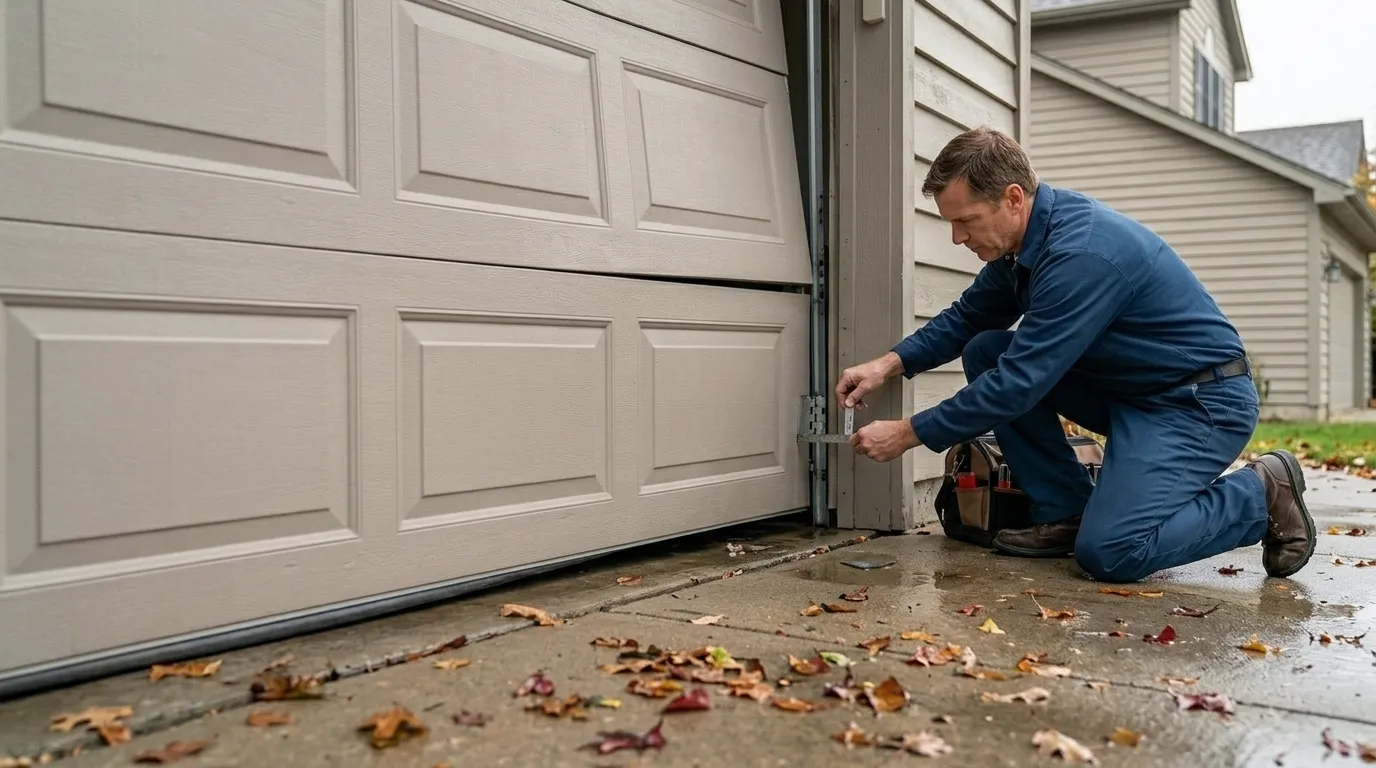
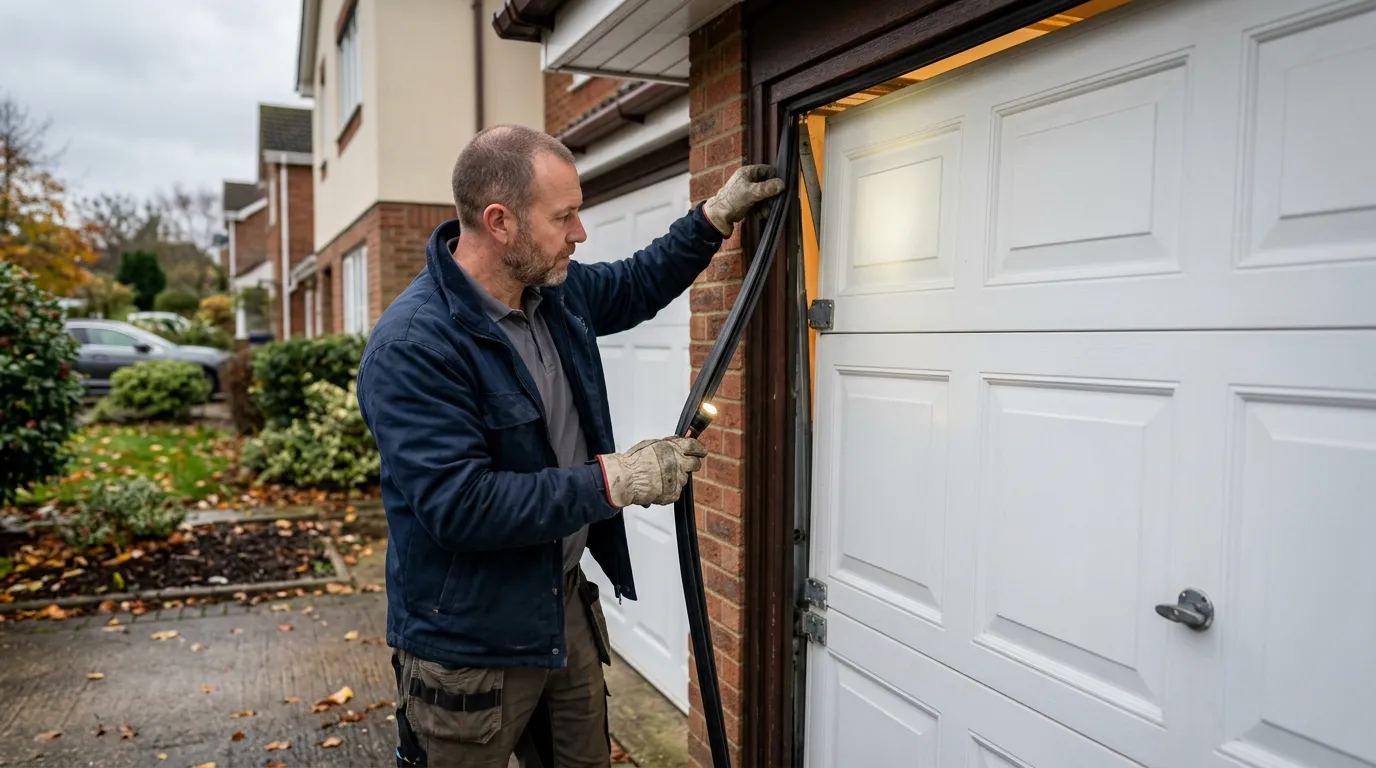
The two most common calls we get track directly to the housing age and the climate. First: a door that won't open at all, usually first thing in the morning after a cold night - that's a torsion spring that finally gave out under the added strain of cold steel. Second: a door that opens but grinds, drifts to one side, or reverses partway up - that's usually a track or roller that's shifted slightly out of alignment over decades of thermal expansion and contraction in the framing around the opening.
We also see openers that fire but don't lift, which on an older Strongsville build is often the belt or chain skipping on a gear set that was already tired before this winter's cold made it worse. None of these are dramatic failures. They're slow wear finally catching up on hardware installed when Nixon was president, showing up on the one morning a year cold enough to finish the job.
How it works
From “it’s stuck” to “it’s fixed”
01
Tell us what’s wrong
Describe the symptom - won’t open, loud bang, opener runs but the door won’t move.
02
On-site diagnosis
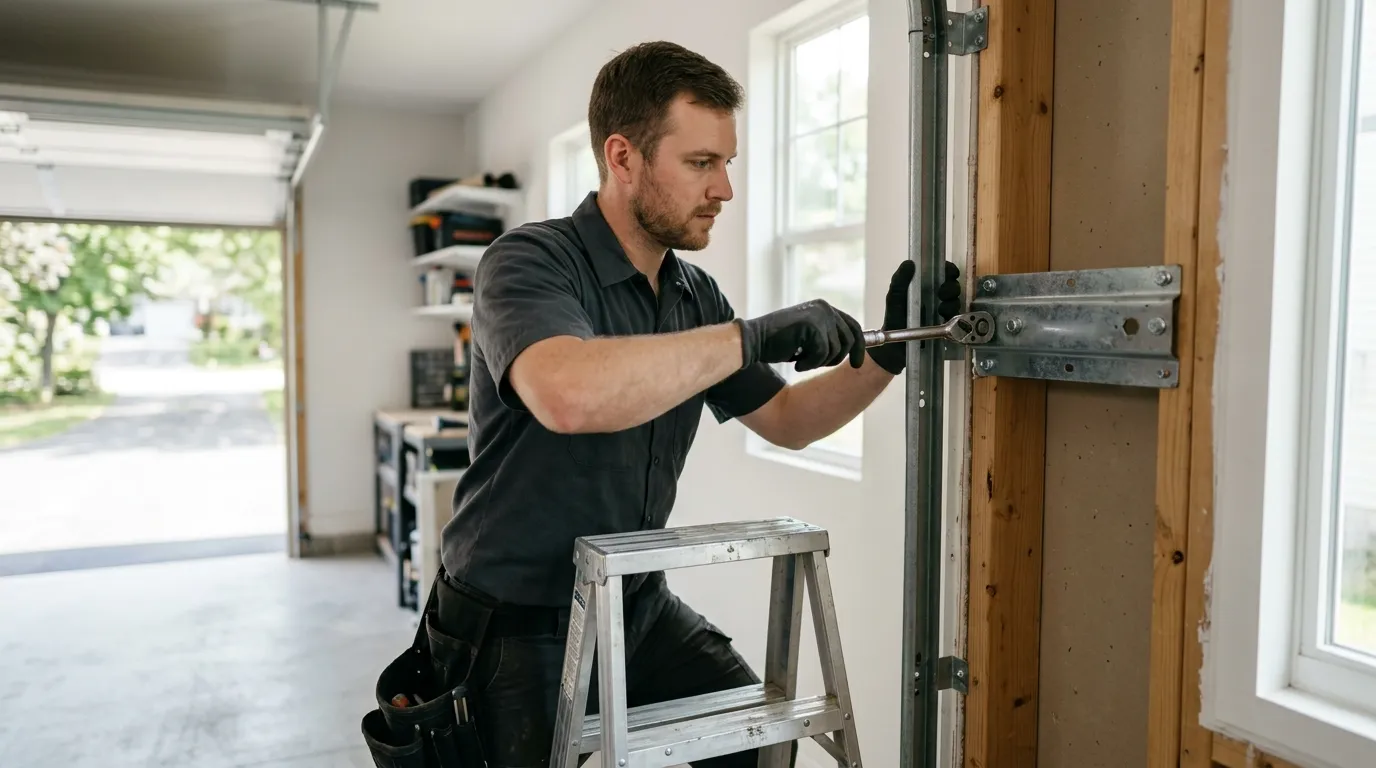
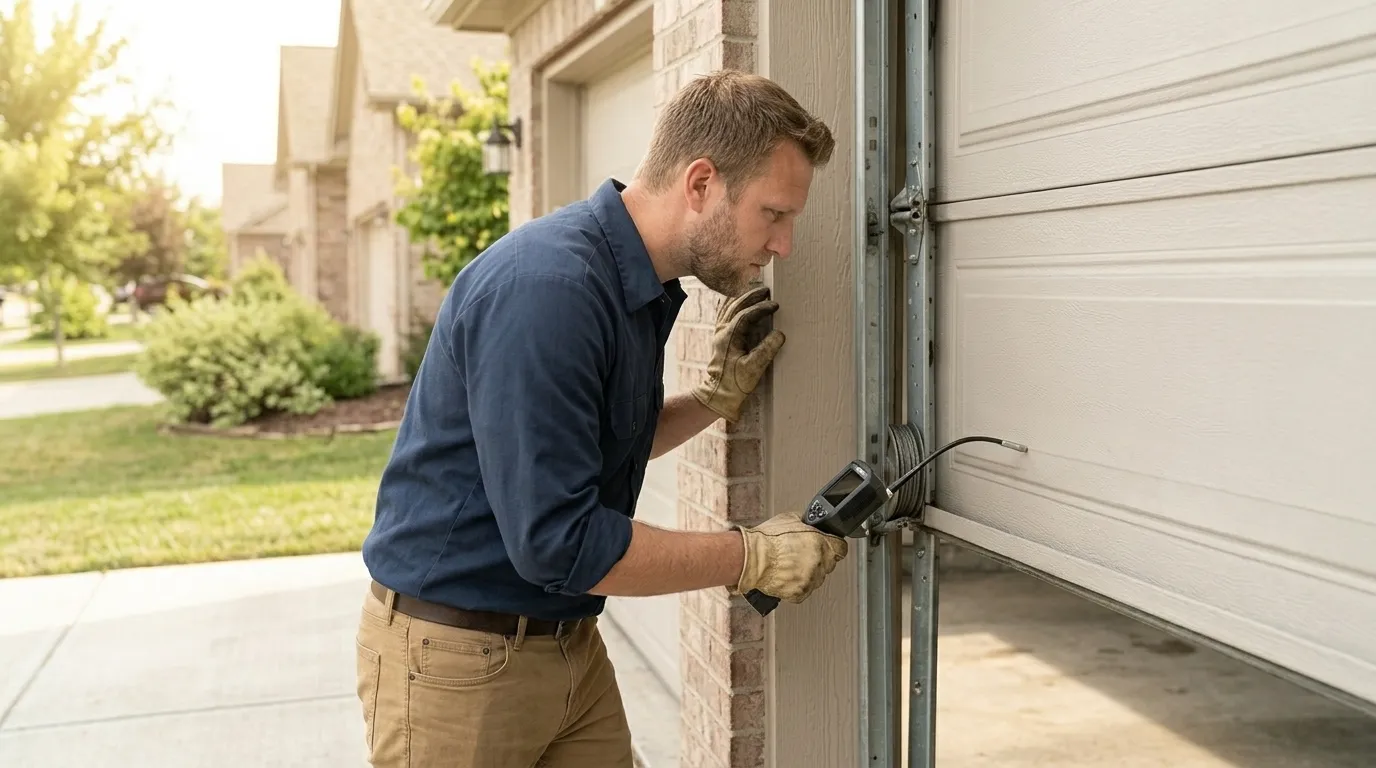
A technician tests the door under power and by hand and finds what actually failed.
03
Clear, up-front plan
You get the fix that’s needed and what drives the cost - before any work starts.
04
Repaired & tested
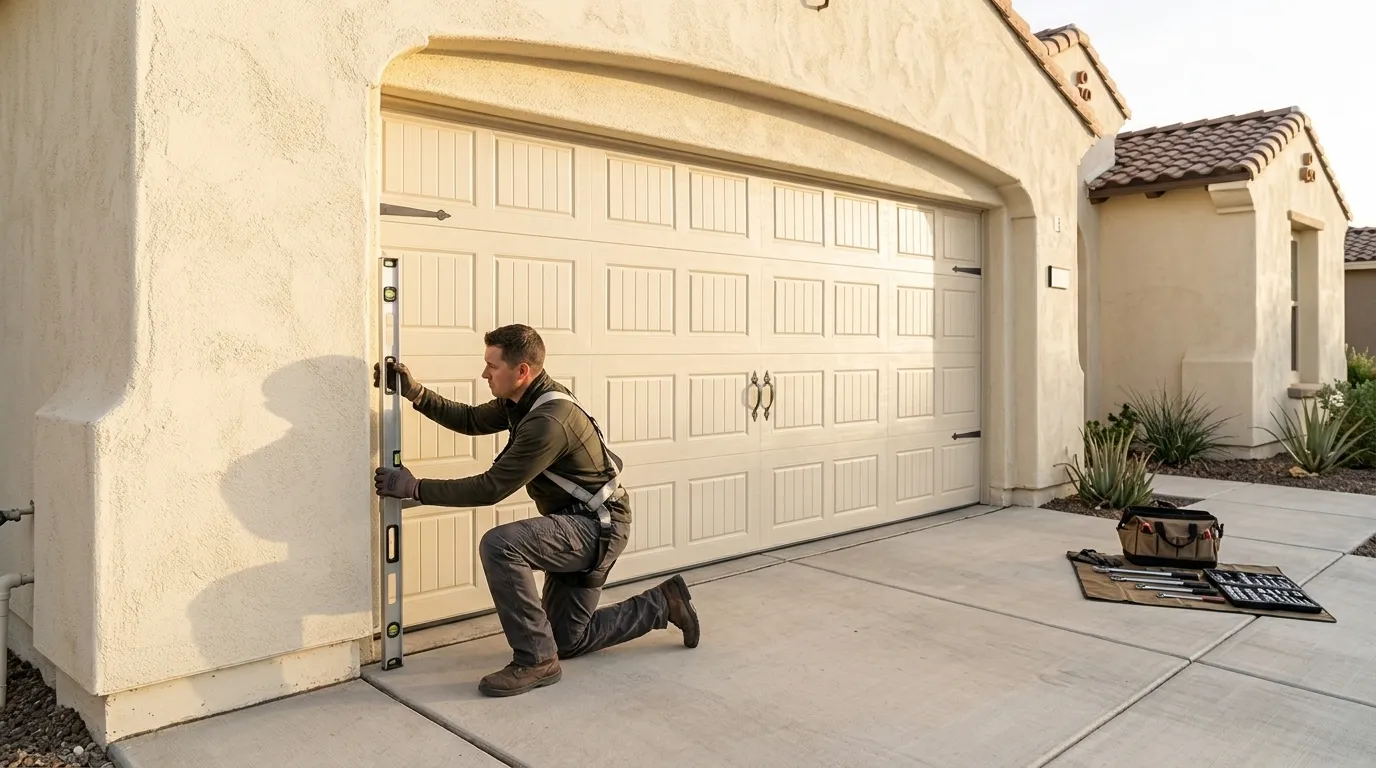
The repair is done, the door is set true and tested, and the work area left clean.
Serving Strongsville, OH - tell us what your door’s doing and we’ll take it from there.
Why did my garage door spring break overnight with no warning?
Torsion springs wear down gradually over thousands of open-close cycles, and cold steel loses lift capacity, so a spring that's near the end of its life often lets go on the first hard freeze rather than during milder weather. If your house dates to the 1960s or 70s, the spring may be original or close to it.
Do you work on older torsion hardware, not just newer doors?
Yes. Given how much of Strongsville's housing stock dates from 1938 to 2002, most of our calls involve older torsion setups, sometimes with a mismatched replacement part from a prior repair. We check the whole assembly, not just the piece that failed.
Is it worth repairing an old door or should I replace it?
Depends on what else is worn. If the track, bearings, and drums are original alongside a failed spring, a single-part repair often just delays the next failure. We'll tell you honestly when a repair costs close to what replacement runs before you commit to either.
Ready to get your garage door sorted?
Tell us what it’s doing and where you are in Strongsville - we’ll take it from there.